
Effective brand management is about shaping every interaction customers have with your business to build trust, recognition, and long-term loyalty.
At Voice123, we’ve seen how a recognizable brand voice, consistent messaging, and professional audio branding help businesses stand out across commercials, videos, podcasts, and digital campaigns.
In this post, we’ll explore what is brand management, how to start brand management, what is a brand manager, and how to create a brand marketing strategy.
What is brand management?
Brand management is the process of creating, maintaining, and improving how customers perceive your business. It combines branding, marketing, customer experience, and consistent messaging to build trust, increase recognition, and strengthen customer loyalty over time. Good brand management helps businesses:
- Build trust and credibility with customers.
- Increase brand awareness across multiple marketing channels.
- Create consistent messaging and visual identity.
- Differentiate themselves from competitors.
- Drive long-term customer loyalty and business growth.
But what’s the difference between brand marketing and management?
| Branding | Marketing | Management |
| Creates your identity | Promotes your products | Maintains and grows your reputation |
| Logo, colors, voice, values | Campaigns, advertising, SEO | Oversees every customer touchpoint |
| Focuses on who you are | Focuses on attracting customers | Focuses on long-term perception |
Marketing generates attention. Branding creates recognition. Brand management keeps everything aligned so customers experience the same business no matter where they interact with you.
What is brand marketing?
Brand marketing is the strategy of promoting your company’s values, personality, and identity rather than focusing only on individual products or services. Instead of asking customers to buy something today, brand marketing encourages them to remember, trust, and choose your business whenever they need your solution.
What is a brand manager?
A brand manager is responsible for protecting, growing, and maintaining a company’s brand. They oversee how customers perceive the business and ensure every marketing activity aligns with the company’s values, messaging, and long-term goals.
Brand managers sit at the center of marketing. They combine creativity with data, ensuring every campaign strengthens the overall reputation of the business.
What does a brand manager do?

The responsibilities of a brand manager include:
- Developing long-term branding strategies
- Managing marketing campaigns
- Conducting competitor research
- Maintaining brand guidelines
- Overseeing creative projects
- Monitoring customer perception
- Collaborating with SEO and content teams
- Measuring campaign performance
- Managing marketing budgets
- Working with agencies, designers, and content creators
Ultimately, what does a brand manager do comes down to making sure every customer interaction reinforces the same consistent brand experience.
What are brand management services?
Professional brand management services can help with strategy, design, messaging, campaigns, content creation, and customer research. Depending on your needs, you could hire:
- A branding consultant
- A freelance specialist
- A creative agency
- A full-service brand marketing agency
For businesses producing podcasts, commercials, explainers, training videos, or digital advertising, professional voice talent also becomes an important extension of the brand.
How to start brand management
Successful brand management begins with a clear strategy and a deep understanding of your audience. Follow these five core steps to build a strong foundation.
Step 1: Research your audience
Identify who you are speaking to by analyzing customer goals, pain points, and buying motivations. Use tools like Google Analytics, Semrush, and customer interviews to gather actionable insights that inform your messaging.
Step 2: Position your brand
Define your unique value proposition and what emotional associations you want to build. A clear positioning statement guides every future campaign.
Step 3: Create a visual identity
Your visual identity is your first impression. Develop consistent brand assets, including a logo, color palette, and typography. Detailed brand guidelines ensure professional consistency across all digital and physical platforms.
Step 4: Develop a brand voice
Establish a recognizable tone and vocabulary that remains consistent regardless of the medium. A professional brand voice builds trust and helps customers connect with your business on a more personal level.
Need a professional voice actor for your brand?
Hire expert voice actors on Voice123 to meet all your brand’s audio needs!
Step 5: Build a content strategy
Create valuable resources—such as SEO articles, videos, and podcasts—that answer audience questions. A balanced strategy demonstrates expertise and allows customers to discover your brand naturally.
Brand marketing strategy to build awareness
A successful brand marketing strategy is about being memorable everywhere. The goal is simple: every interaction should reinforce who you are, what you stand for, and why customers should choose you.
Here are the marketing strategies that consistently build brand awareness.
SEO and organic search

Search engine optimization is one of the most cost-effective ways to increase brand awareness because it puts your business in front of people actively searching for answers. Instead of targeting only product keywords, create content around the questions your audience asks throughout their buying journey. For example:
- Beginner guides
- Industry trends
- How-to articles
- Comparison posts
- Templates
- Case studies
- Expert interviews
Focus on topical authority rather than isolated keywords. When your website becomes the go-to resource within your industry, Google and AI search tools are more likely to recommend your content.
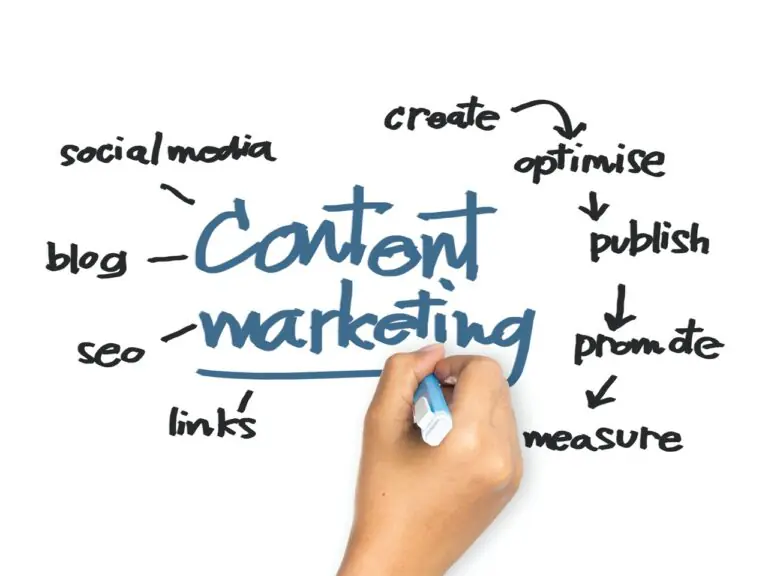
Content marketing
Content marketing builds trust long before someone becomes a customer. Rather than constantly promoting products, teach your audience something useful. High-performing content includes:
- Ultimate guides
- Original research
- Downloadable templates
- Checklists
- Interactive calculators
- Industry reports
- Customer stories
Educational content also generates backlinks, improves SEO, increases social shares, and establishes your business as an authority.
Video marketing
Video marketing builds recognition because people remember visuals and voices far better than text alone. Your brand doesn’t need expensive television commercials. Even simple videos can strengthen awareness when they provide value. Content like:
- Explainer videos
- Product demonstrations
- Customer testimonials
- Behind-the-scenes content
- Founder updates
- Educational tutorials
- Webinar recordings
- YouTube Shorts
- Instagram Reels
- LinkedIn videos
Podcasts
Podcasting has become one of the most effective channels for building authority. Whether you launch your own show or appear as a guest, podcasts allow audiences to spend extended time with your brand. Ideas include:
- Interview industry experts
- Share customer success stories
- Discuss market trends
- Answer common customer questions
Podcast advertising and video podcasts have also opened up even more opportunities for brand management.
Email marketing
Email offers some of the highest ROI because it allows you to build relationships instead of renting attention through advertising. Rather than sending only promotions, share things like:
- Helpful resources
- Industry insights
- Product updates
- Success stories
- Exclusive content
- Educational newsletters
Social media brand management
Focus on the channels where your audience is active.
- LinkedIn works well for B2B brands.
- Instagram excels with visual storytelling.
- YouTube builds long-term discoverability.
- TikTok marketing rewards authenticity and creativity.
Publish consistently, engage with your audience, and create content people genuinely want to share.
Explore more of our marketing and social media advertising guides.
Influencer marketing
Consumers trust creators more than advertisements. Micro-influencers often generate higher engagement than celebrity endorsements because their audiences view them as authentic experts. Partner with creators whose audiences naturally align with your brand rather than chasing follower counts.
Audio brand management
Using consistent voice talent across these touchpoints helps reinforce your identity just as much as logos or colors. Businesses investing in professional voice overs create stronger emotional connections because audiences begin associating a particular voice with the brand itself.
Voice123 helps companies connect with experienced voice actors who bring consistency and personality to branded audio across every customer touchpoint.
Hire professional voice actors today!
Brand management software and AI tools
Technology has transformed modern brand management software. Artificial intelligence and automation now help businesses create content faster, monitor customer sentiment, personalize campaigns, and maintain consistency across dozens of channels.
AI tools gives brand managers more time to focus on strategy and creativity by:
- Generate content ideas
- Analyze customer feedback
- Monitor online reputation
- Personalize customer experiences
- Predict marketing trends
- Optimize SEO content
- Automate reporting
- Improve campaign performance
The best brand management software
The right brand management software keeps teams aligned and ensures consistency across every marketing channel.
| Tool | Best For |
| Frontify | Brand guidelines and asset management |
| Bynder | Digital asset management |
| Brandfolder | Brand asset organization |
| Canva | Marketing design |
| Figma | Brand design systems |
| Adobe Express | Quick branded content |
| Notion | Brand documentation |
| HubSpot | CRM and marketing automation |
| Semrush | SEO and competitor analysis |
| Ahrefs | Keyword research |
| Buffer | Social scheduling |
| Hootsuite | Social media management |
| Sprout Social | Social listening and analytics |
| Descript | Podcast and video editing |
Final Thoughts
Brand management is an ongoing process. It involves creating consistent experiences that earn customer trust across every channel—from your website and social media to your videos, podcasts, advertising, and customer service.
Need a memorable voice for your next marketing campaign? Voice123 makes it easy to find experienced professional voice actors who can bring your brand to life across videos, podcasts, commercials, corporate training, and more.
Post your next project today or use Voice123 Enterprise for complete project management.
FAQs
Brand management is a process focusing on improving how customers perceive a business. It includes branding, marketing, customer experience, messaging, and reputation management to build long-term trust and brand awareness.
The five P’s commonly refer to Product, Price, Place, Promotion, and People. They help businesses create consistent customer experiences while supporting long-term brand growth.
The three C’s are Company, Customer, and Competitor. Understanding these areas helps businesses position their brand effectively and develop stronger marketing strategies.
Branding creates your company’s identity through elements like your logo, messaging, and values. Brand management ensures that identity remains consistent across every customer interaction and evolves strategically over time.
Strategic brand management is the long-term process of building, maintaining, and strengthening a brand through consistent messaging, positioning, customer experience, and marketing initiatives.