
Have you ever wondered what does a creative director do or what makes creative direction so vital in filmmaking and content production?
At Voice123, the world’s most trusted voice over network, we’ve collaborated with thousands of creative directors who shape the sound and style of award-winning films, ads, and campaigns.
Creative directors have one of the most dynamic roles in media production. That’s why in this post, we’ll explore what does a creative director do and what are the creative director responsibilities in filmmaking.
What is a creative director?
A creative director is the visionary force behind a project’s overall design and storytelling. They define the creative direction that guides the design, visuals, sound, and tone to ensure that every element connects with the audience. Whether it’s a film, commercial, or game trailer, creative directors translate an idea into a cohesive story that inspires action.
So, what do creative directors do?
What does a creative director do?

Creative directors are responsible for shaping how an idea transforms into a full-fledged visual and emotional experience. A creative director’s job description typically includes setting the creative direction, overseeing teams, and ensuring the final product reflects the intended message, mood, and audience appeal.
Here’s what creative directors handle across most industries:
- Define the vision: They establish the tone, concept, and style for every creative output — from visuals and copy to music and voice overs.
- Lead and inspire teams: Creative directors guide designers, video editors, producers, and voice actors to ensure a consistent creative flow.
- Collaborate with clients and executives: They translate briefs into compelling creative concepts that align with brand goals.
- Oversee production: They ensure that everything from lighting to sound design complements the project’s vision.
- Approve the final product: Nothing gets published or released without their sign-off — the creative director’s eye is the ultimate quality filter.
What does a creative director do in filmmaking?
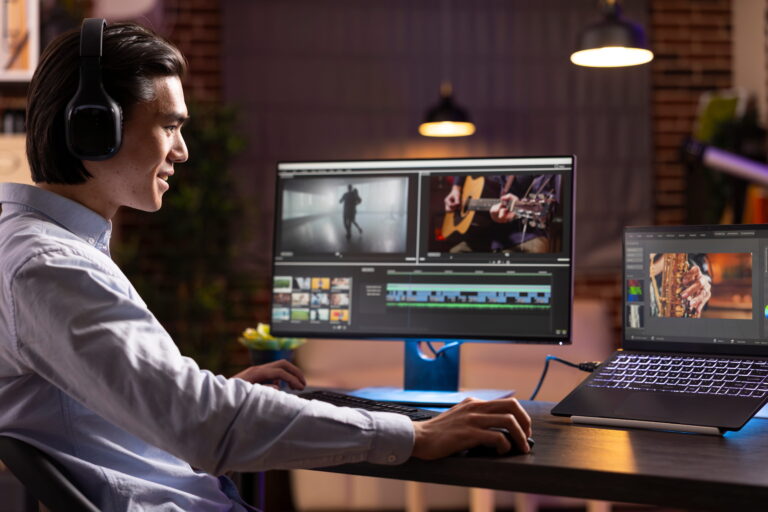
A creative director in filmmaking collaborates closely with the directors, cinematographer, and production team to shape the story’s emotional and aesthetic rhythm. They ensure that each shot, edit, and sound cue serves the film’s overall tone and message.
Here’s more on what does a creative director do in filmmaking:
Collaboration with post-production: Overseeing editing, color grading, and final voice over approvals to ensure narrative flow.
Story development: Building the creative concept that defines how the film should feel — visually and emotionally.
Visual cohesion: Maintaining consistency across sets, costumes, color schemes, and design elements.
Sound and voice integration: Working with composers, sound designers, and voice actors to perfect tone, timing, and emotional impact.
Creative director job description:
The creative director job description involves overseeing teams, guiding strategy, and bringing imaginative ideas to life across film, advertising, and digital media.
Here’s an example creative director job description for a filmmaking project:
“We’re lookiing for a Creative Director to lead the artistic vision and direction for our film productions. In this role, you’ll collaborate with producers, cinematographers, editors, actors, and voice actors to shape powerful visual stories that connect with audiences.”
Creative director responsibilities:
- Lead creative teams consisting of writers, designers, producers, and editors through every stage of production.
- Define the project’s creative direction, ensuring all elements align with the brand and audience.
- Collaborate with clients to translate concepts into compelling visuals, sound, and story.
- Oversee post-production, including music, graphics, and voice over quality control.
- Approve final outputs, maintaining consistency across mediums.
How much do creative directors make?
In the U.S., a creative director salary typically ranges from $90,000 to $180,000 per year, depending on experience, location, and industry.
- Executive creative directors at major agencies and studios can earn well over $250,000 annually.
- Freelance creative directors often set project-based rates, charging between $2,000 and $10,000 per campaign or production.
- In high-demand sectors like film, gaming, and entertainment, the creative director salary is higher due to complexity and production budgets.
Why is creative direction so important in video production?
Without good creative direction, even the best video production can feel disjointed. Creative direction ensures that lighting, sound design, dialogue, and voice over come together in perfect harmony.
In AV storytelling, this role is critical because:
- It maintains emotional coherence between what the audience sees and hears.
- It helps producers communicate clearly across creative teams.
- It ensures the directors and client stakeholders share the same vision.
At Voice123, we’ve seen firsthand how great creative directors transform projects into unforgettable experiences when they collaborate with the right voice talent.
Final thoughts on creative directors
So, what does a creative director do? They orchestrate the story behind every sound and visual. From defining creative direction to shaping narrative arcs, creative directors are the heartbeat of modern media.
And when it comes to adding authentic voice to their work, the pros turn to Voice123, the go-to platform for hiring professional voice actors for any genre or production scale.
Find the perfect voice on Voice123 where creative vision meets vocal talent. Post your next project today!
FAQs
A creative director’s responsibilities include leading creative teams, setting the project’s visual and tonal direction, collaborating with clients, and approving final deliverables across design, film, and advertising.
Yes. The salary can exceed $150,000 annually in top markets. Experienced executive creative directors earn even higher depending on their portfolio and industry.
You need creativity, leadership, communication, technical knowledge in design and production, and a thorough understanding of the role and responsibilities.
No. A designer executes ideas, while creative directors oversee and guide the broader vision. They ensure all the audiovisual elements align with the brand narrative.