
At Voice123—the largest, most trusted voice-over network—you can hire professional voice actors for radio advertising. In this guide, we’ll help you plan radio advertising that drives measurable results, clarify the radio advertising cost, and share radio advertising examples you can use to inspire your next campaign.
What is radio advertising?
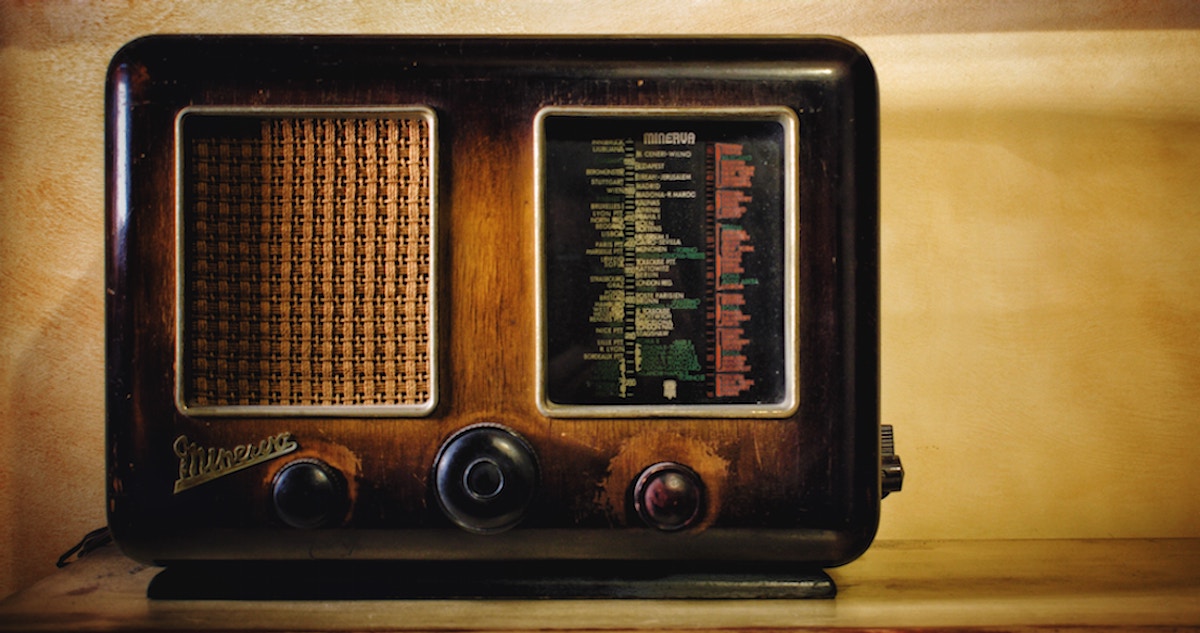
Radio advertising is when companies purchase on-air commercial time from radio stations. They’re available in 15, 30, and 60-second time slots, to air commercials that promote their brand, products, or services. The advertising also targets specific demographics. It can include catchy tunes (jingles) or interesting phrases designed to grab the listener’s attention. Think about how ‘Red Bull Gives You Wings.’
Why radio ads still work in 2025
Although 2025 is a digital world, radio advertisements still reach commuters, podcast-style listeners, and local buyers with intent. Audio is intimate, so host-led endorsements build trust fast. Since audio advertising costs are more affordable than TV, radio becomes a reliable advertising channel when you pair strong creative with precise media buys and voice talent that fits your brand.
Radio advertising cost: What really drives the price

If you’re asking how much does a radio ad cost or how much is radio advertising costs, the honest answer is: it depends on the variables around your campaign.
- Market & station: Major metros cost more than small markets, so news/talk shows and sports often carry premium rates.
- Daypart: Morning/afternoon drive = highest demand, making evenings/overnight spots often cheaper because the audience is smaller.
- Length & format: 15s/30s/60s spots, live reads, sponsorship billboards, and different types of radio advertising are priced differently.
- Reach & frequency goals: Higher GRPs require larger budgets because the higher the radio advertising cost, the more assets you can put behind your campaign.
- Seasonality & competition: Q4 retail and election cycles lift rates because more listeners tune in, making radio ads more expensive.
- Production & talent: Copywriting, studio time, music, SFX, and voice-over usage add to your total radio advertising costs.
Quick cost guide (typical ranges)
- Small local stations: 30-second radio ad spots often start under $100 per airing.
- Mid-sized markets: Commonly a few hundred dollars per airing.
- Top-tier metros: $1,000–$5,000+ per airing during peak drive times.
Production (script + voice + mix) can range from a few hundred to a few thousand, depending on complexity and usage.
How much does a radio ad cost?
The average CPM for radio ads is between $10-$20, while the average radio advertising costs range between $200 and $5000 per week, depending on location, listening size, ad length, and radio station. With some spots as low as $5 and others as high as $8000.
Other factors influencing cost are:
Audience demographics – A station targeting a specific demographic can command higher rates. For example, advertising a product for young adults could be more expensive because it’s the station’s focus demographic.
Primetime slots – Morning and evening drive times are more expensive and have limited inventory because of higher listener engagement. While late-night or overnight slots are cheaper because of lower listenership.
Varied pricing models – With CPM (cost per thousand), advertisers pay a fixed rate for every thousand listeners the ad reaches. For example, a CPM of $30 reaching 100,000 listeners has a $3,000 radio ads pricing.
With CPP (cost per point), however, the focus is on the station’s ratings. Advertisers pay based on the rating points they want to achieve. If the CPP is $60 and you want to achieve 100 rating points, the radio advertising costs would be $6,000.
How to plan and produce a radio ad that converts
1) Define the outcome and audience
Set one primary KPI (store footfall, calls, coupon redemptions, site visits) and target by format, geography, and daypart. Let your KPI dictate the creative.
2) Script for listeners
Open with an attention-grabbing first five seconds, explain the benefits, and drive to one clear CTA. Repeat your brand and URL/phone number at least twice. Keep sentences short, verbs active, and make the close memorable.
3) Cast the perfect voice fast
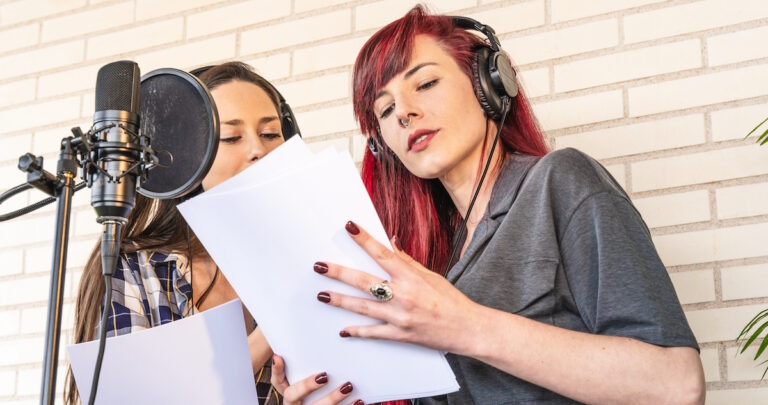
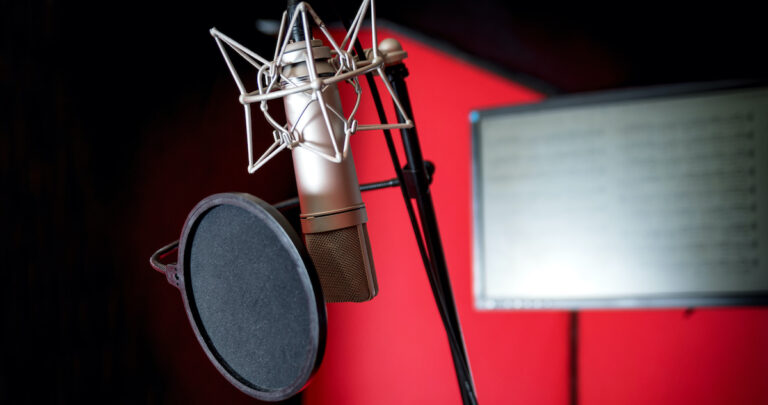
The voice is your “face” on the radio. Depending on your type of radio ad, you’ll need a tone that’s either warm, authoritative, or high-energy. Book vetted voice actors on Voice123 to nail tone, pace, and credibility.
4) Choose the right format
- Produced spot (15/30/60): Tight, brand-safe, scalable.
- Live host read: Credibility rockstar for offers and launches.
- Interview/featurette: Great for complex offers and education.
5) Place smarter media
Match the station’s audience to your ICP. Layer programmatic audio (AM/FM streams + digital radio) for additional reach and frequency. Stagger different radio ads to learn where your cost-per-response is lowest.
6) Measure and optimize
Use unique URLs, numbers, promo codes, and “how’d you hear about us?” in onboarding. Watch reach, frequency, GRPs, cost per response, and incremental lift. Refresh the copy every 4–6 weeks to prevent wear-out; test call-to-action phrasing and voice styles.
DIY vs. Hiring a radio advertising agency
If you’re scaling to multiple markets, need creative testing at pace, or want integrated buys across radio platforms, a radio advertising agency can negotiate better rates and manage optimization. If you’re running local radio ads or testing a new type of marketing, you can create your own radio advertising by writing a tight script, hiring a pro voice on Voice123, and starting small to prove ROI before you expand.
Radio ad examples
- Home Depot’s radio ads took the lead in radio ad sales over the 2022 Memorial Day weekend. Michael Hibbison, Home Depot’s VP of integrated media, explained why the mega-brand opted for radio ads above other more popular digital mediums. He said, “Without the continued success in reaching customers that radio has provided us, we wouldn’t be able to do all that we do today. We have a customer base that listens to the radio; they really like it. It’s one medium that has truly stood the test of time.”
- The ESPN Radio show Mike & Mike uses radio ads because of the success of their popular on-air hosts. The voices of hosts Mike Greenberg and Mike Golic carry extra weight with the show’s listeners. The humorous banter between the Mikes keeps listeners entertained, making them more likely to stay tuned for the in-between radio ads.
Final thoughts on radio advertising

When you approach radio advertising like a performance channel with smart media, tight creatives, and the right voice-over, you’ll turn listeners into customers. And when you’re ready to elevate the sound that sells, find your perfect voice actor on Voice123. That’s how you turn up the volume on results with radio ads and create successful advertising campaigns!
FAQs on radio advertising
Typical 30s spot prices range from under $100 on small local stations to $1,000–$5,000+ in major metros during drive time, plus production and talent. Final costs vary by market, format, and demand.
Radio advertising is buying audio advertising space (AM/FM, digital radio, or streams) and running produced spots or live reads to reach a target audience with a clear message and call to action.
Yes—especially for local reach, promotions, and trusted host endorsements. With strong creative, consistent frequency, and clear tracking, radio ads remain a dependable performance channel.
Define your audience and KPI, craft a short script, hire a professional voice actor, produce a clean mix, and buy media through stations, networks, or programmatic audio. Track results with unique codes/URLs and optimize.