Enterprise pricing is customized based on the scope and complexity of each project.
Because every organization has different needs, pricing is structured around the scale of production, licensing requirements, and the level of service required.
What Influences Enterprise Pricing?
Project Scope
Number of scripts, content length, and overall production volume.
Usage & Licensing
Broadcast, digital, global, perpetual, internal-only, AI training rights, and territorial considerations all impact the pricing structure.
Number of Voice Actors
Single voice campaigns differ from multi-character casting or large-dataset initiatives.
Language Requirements
Multilingual projects require coordination across markets and often parallel production schedules.
Service Level
Live direction, script consultation, post-production, QA, and technical formatting all contribute to the final scope.
AI & Dataset Projects
Dataset size, recording structure, metadata requirements, licensing agreements, and long-term usage rights determine pricing models for TTS and AI training projects.
Enterprise Pricing Structures
Project-Based Engagement
Best for one-time campaigns or defined production windows.
AI & Dataset Recordings
Custom agreements that define recording scope, consent, exclusivity, and usage rights. Structured to meet ethical and legal standards for voice data usage.
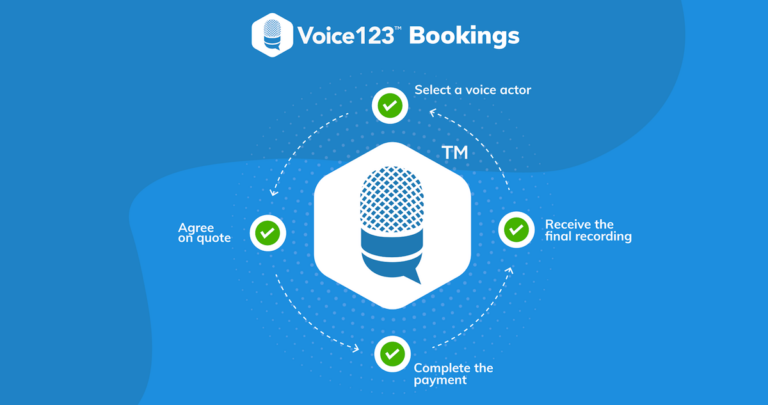
Transparent Quoting Process
Every enterprise proposal includes:
- Talent fees
- Production services
- Licensing structure
- Timeline
- Deliverables
Everything is clearly defined before production begins.