Choosing the best microphones for podcasting can feel overwhelming.
USB or XLR? Dynamic vs condenser microphone? And does a $400 microphone really sound four times better than a $100 one?
At Voice123, where you can cast professional voice actors to produce high-quality audio, we know the importance of great sound.
So let’s compare the best USB microphones for podcasting, the best XLR microphone options, and equipment for podcast setups in 2026.
What are the best microphones for podcasting?
The best microphone for podcasting depends on your setup and experience level. For most professional podcasters, the Shure SM7B remains the gold standard because of its warm tone and excellent background noise rejection.
The best budget microphones are the Audio-Technica ATR2100x and Samson Q2U, which offer fantastic value because they support both USB and XLR connections.
If you want simplicity and the best budget microphones, USB microphones are easier to use. If you want maximum audio quality and long-term scalability, XLR microphones are usually the better investment.
Here’s a quick comparison of the best microphones for podcasting:
| Microphone | Best For | USB/XLR | Price Range |
| Shure SM7B | Professional podcasts | XLR | Premium |
| Rode PodMic | Best value XLR mic | XLR | Mid-range |
| Audio-Technica ATR2100x | Beginners | USB/XLR | Budget |
| Blue Yeti | Easy USB setup | USB | Mid-range |
| Samson Q2U | Best budget microphone | USB/XLR | Budget |
| Electro-Voice RE20 | Broadcast-style sound | XLR | Premium |
Podcast audio quality vs the best microphones for podcasting
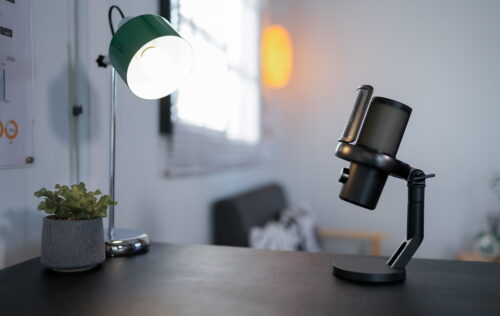
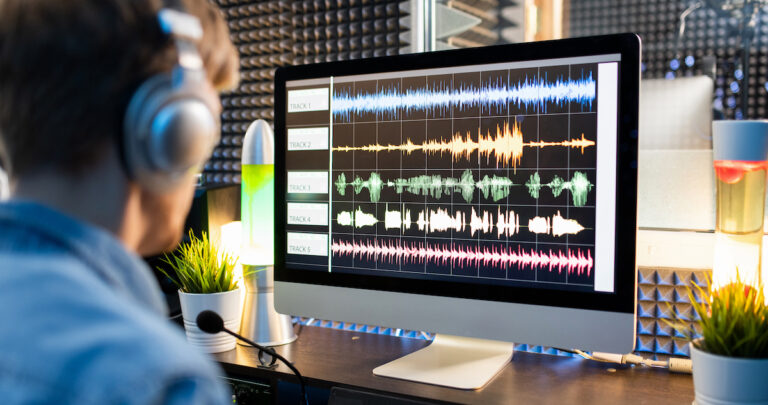
Podcasting competes with YouTube creators, video podcasts, livestreams, audiobooks, and short-form content all at once, and poor audio creates listener fatigue. Echo, background noise, harsh vocal tones, and inconsistent volume make listeners subconsciously work harder to follow conversations.
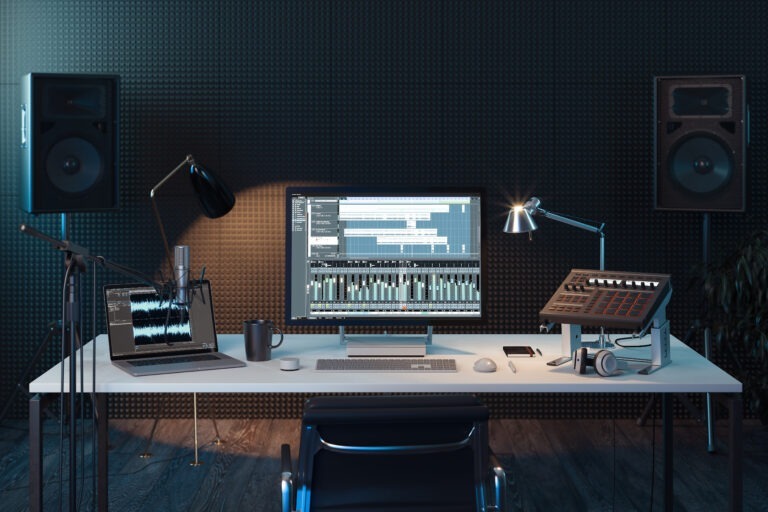
Expensive microphones won’t automatically fix audio problems. A good podcast recording setup involves:
- the right microphone
- proper mic placement
- room acoustics
- recording technique
- clean editing
- podcast equipment
An affordable dynamic microphone in a quiet room often sounds far better than a premium condenser mic in a noisy environment.
USB vs XLR: Which microphone setup is better?
USB vs XLR is probably the biggest debate in podcasting gear. And honestly? Both options are excellent.
USB microphones have improved over the last few years, while the best XLR microphone setups have become more affordable and creator-friendly.
Here’s a quick breakdown of the best microphones for podcasting.
USB Microphones
USB microphones plug directly into your computer without requiring additional gear. That simplicity makes them ideal for beginner podcasters or remote podcasters.
Most USB podcast microphones have good sound quality, built-in monitoring, and easy setup. That’s why creators launching their first show often choose USB for convenience.
Just open your laptop, plug in the mic, and start recording immediately.
XLR Microphones
XLR microphones require an audio interface or mixer, which adds cost and complexity. But they also offer more control, cleaner signal processing, and higher long-term audio potential.
If you’re a podcaster looking to make an investment, an XLR microphone is the better option in the long run.
But XLR microphones don’t automatically sound better. The interface, room acoustics, vocal technique, and editing matter just as much.
Dynamic vs condenser microphone: What’s the difference?
The biggest difference between a dynamic vs condenser microphone is how sensitive the microphone is to sound.
Dynamic microphones for podcasting
Dynamic microphones are usually the safest choice for podcasting because they reject background noise better and work especially well in home offices as the best budget microphones.
Many of the best podcast microphones are dynamic mics because they produce a focused, radio-style sound while minimizing room echo and keyboard noise.
Condenser microphones for podcasting
Condenser microphones capture more detail and vocal texture. But they’re also much more sensitive to room noise. That makes it the better podcasting microphone for treated studios.
A condenser mic can sound incredible — but only when the room supports it. Otherwise, they often amplify echoes, traffic noise, and harsh reflections.
The best microphones for podcasting in 2026
| Dynamic Microphones | Condenser Microphones |
| Shure SM7B | Audio-Technica AT2020 |
| Rode PodMic | Rode NT1 |
| Electro-Voice RE20 | Blue Yeti |
| Samson Q2U | Shure SM4 |
Let’s compare each of these for different podcast setups and budgets.
Shure SM7B
The Shure SM7B is still the benchmark for professional podcast audio.
There’s a reason it appears everywhere from Spotify studios to YouTube creator setups. The sound is warm and smooth, and it’s particularly good for untreated rooms because the dynamic design minimizes unwanted room reflections.
Rode PodMic
The Rode PodMic is one of the best value XLR microphones available right now. It’s specifically designed for podcasting, which shows in the tuning. The mic delivers clean, punchy vocals in average recording spaces.
For creators building a podcast studio setup on a reasonable budget, the PodMic is a great choice that works well with Rode’s creator ecosystem, including the RodeCaster series.
Audio-Technica ATR2100x
The Audio-Technica ATR2100x might be the smartest beginner microphone on the market because it supports both USB and XLR connections.
That flexibility makes it one of the best podcast microphones for beginners who want to start simple while leaving room to upgrade later.
Blue Yeti
The Blue Yeti is extremely popular, even among voice actors, because of how easy it is to use. It’s one of the best USB microphones for podcasting beginners who prioritize convenience.
But the Yeti is a condenser microphone. That means it picks up a lot of room noise, and in echo-heavy rooms, it can sound harsh or overly reflective.
Samson Q2U
The Samson Q2U is probably the best budget microphone for podcasting, and it supports both USB and XLR connections, making it ideal for beginner creators.
If you’re trying to build affordable podcasting gear without sacrificing audio quality, the Q2U is an easy recommendation.
Electro-Voice RE20
The RE20 is an industry favorite for radio broadcasting. The sound is smooth, rich, and highly controlled, which is why many professional podcasters love it for interview-based shows.
It’s especially good at minimizing proximity effect, meaning voices stay balanced even when speakers move slightly around the mic.
Best microphones by budget
| Budget Range | Microphones | Best For | Connection Type |
| Under $100 | Samson Q2U, Audio-Technica ATR2100x | Beginners, flexible setups, strong value | USB/XLR Hybrid |
| $100–$250 | Rode PodMic, Blue Yeti | Mid-range podcast setups, USB or XLR workflows | XLR (PodMic), USB (Blue Yeti) |
| Above $300 | Shure SM7B, Electro-Voice RE20 | Professional podcast studios and broadcast-quality audio | XLR |
Important: Price alone doesn’t guarantee better audio. A properly positioned $100 microphone in a treated room often sounds better than a poorly used $500 microphone.
Common podcast microphone mistakes

Here are the most common mistakes creators make when looking for the best microphones for podcasting.
1. Buying the wrong podcast mic for the room
Many creators buy condenser microphones because they hear “more detail.” But untreated rooms rarely benefit from that extra sensitivity. Dynamic microphones are usually safer for home podcast setups.
2. Recording too far away
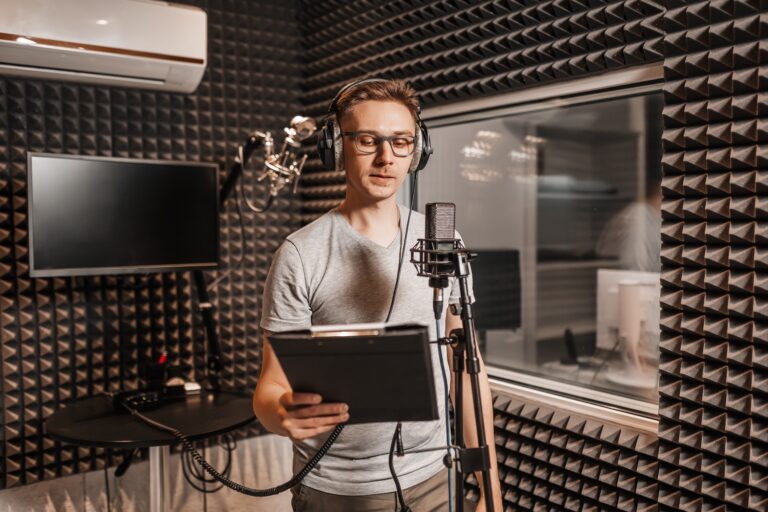
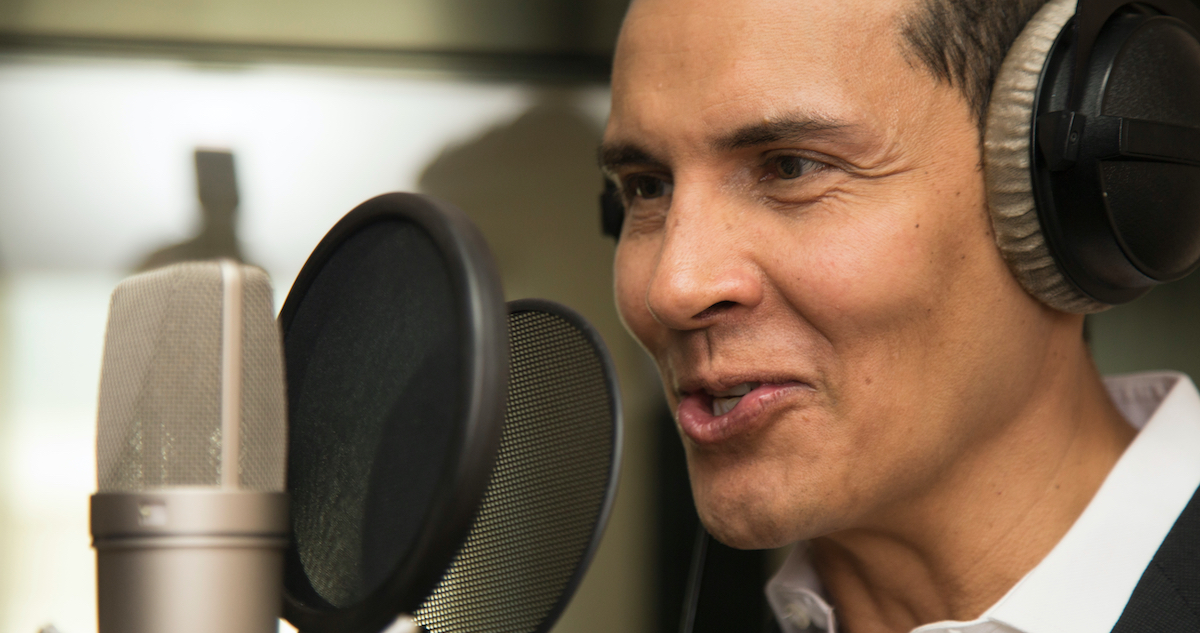
Microphone placement matters because a good podcast mic should typically sit much closer to your mouth, around 4 to 8 inches away.
3. Ignoring room acoustics
Bare walls, hardwood floors, and large empty rooms create an echo quickly. Even simple adjustments like rugs, curtains, bookshelves, or foam panels can reduce echo.
4. Prioritizing aesthetics over sound
Some microphones look fantastic on camera but sound average in real-world podcast setups. Audio quality should always come first.
Many brands and creators also work with professional voice actors on Voice123 when producing podcast intros and cinematic audio segments.
The best microphones for podcasting: Accessories
1. A quality boom arm improves mic positioning and vocal clarity.
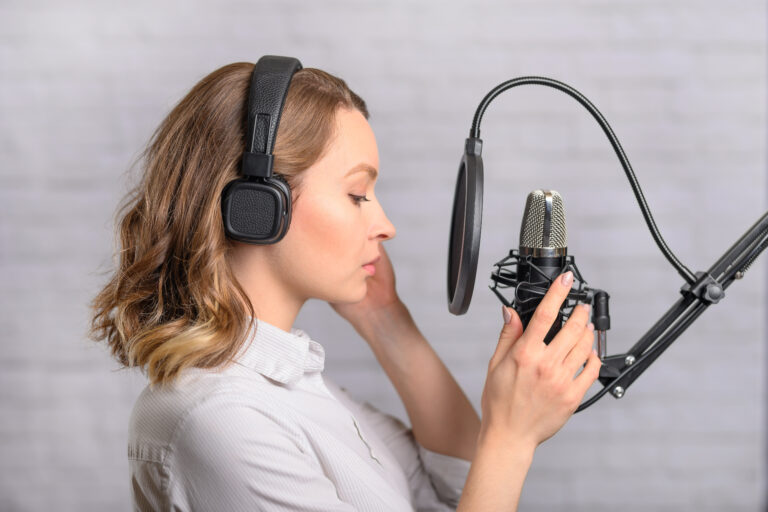
2. Pop filters reduce harsh plosive sounds from letters like “P” and “B” and can improve the overall audio quality.
3. Closed-back headphones help monitor recordings accurately.
4. Audio interfaces are key for XLR microphones because the right interface enhances the sound quality.
5. Room treatment is also crucial. A moderately priced microphone in a treated room will outperform a premium mic in an untreated space.
Final thoughts
Whether you’re starting a podcast on Apple or Spotify, the best microphones for podcasting aren’t necessarily the most expensive ones.
USB microphones are simple, while XLR microphones offer more long-term flexibility. Dynamic microphones are usually the safest choice for home podcasting, while condenser microphones shine in treated studios.
But if you need a professional voice for your podcast, Voice123 can help you find experienced voice actors for podcasts, storytelling, and premium audio content. Post your project today!
FAQs
The Shure SM7B is widely considered one of the best podcast microphones for its warm tone, background-noise rejection, and professional broadcast sound.
Yes. Modern USB microphones offer excellent sound quality and easy setup, making them ideal for beginners, solo creators, and simple podcast recording setups.
Many professional podcasters use dynamic XLR microphones like the Shure SM7B or Electro-Voice RE20 because they perform well in various recording environments.
USB microphones are easier for beginners, while XLR microphones offer better long-term scalability and more professional audio control.
The Audio-Technica ATR2100x and Samson Q2U are two of the best podcast microphones for beginners because they support both USB and XLR connections.
No. A well-positioned budget microphone in a treated room can sound far better than an expensive microphone used in a poor recording environment.