
At Voice123 Enterprise—where you can get custom casting solutions—we collaborate with directors, producers, and creative teams to innovate the future of video content. So, if you’re interested in what is a director and what does a director do, here’s a clear, practical breakdown you can use in your next production.
What is a director?
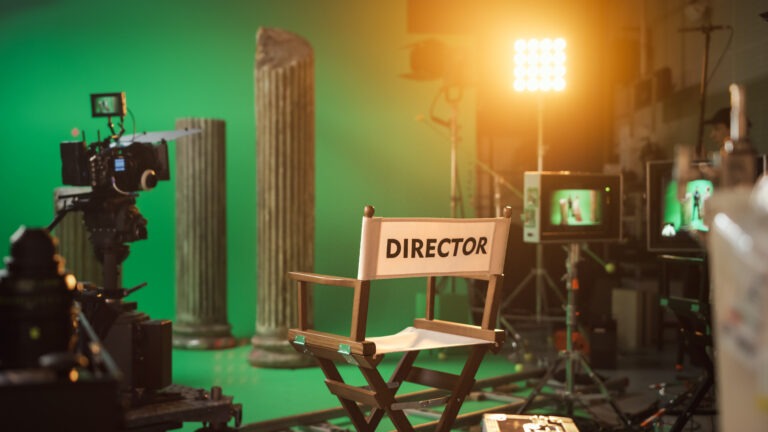
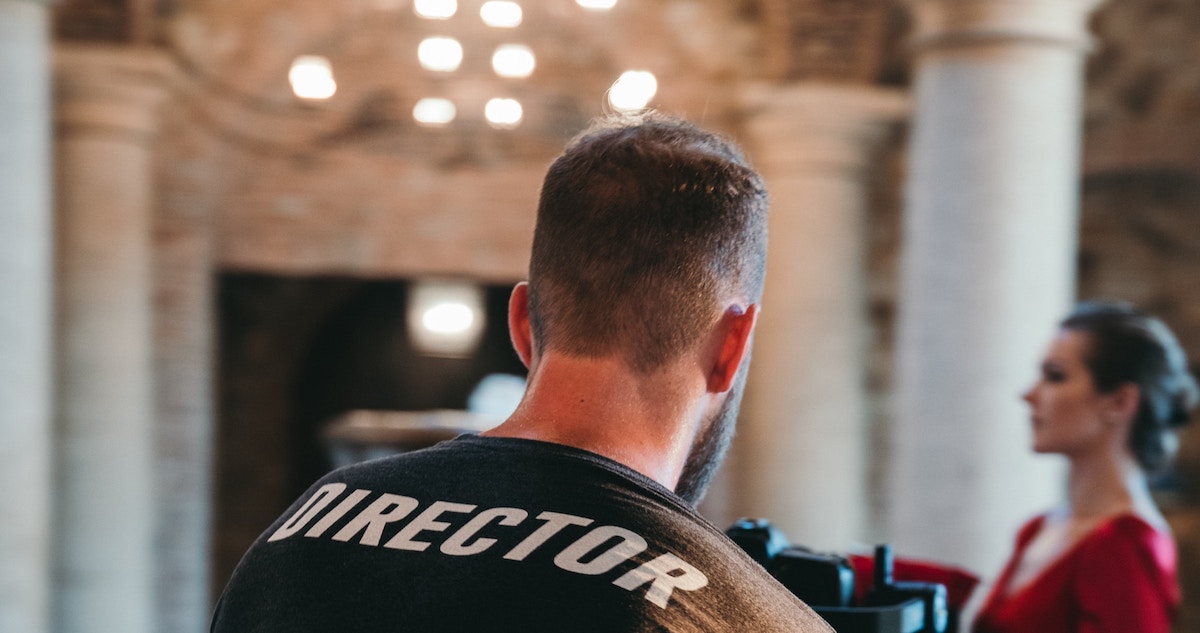
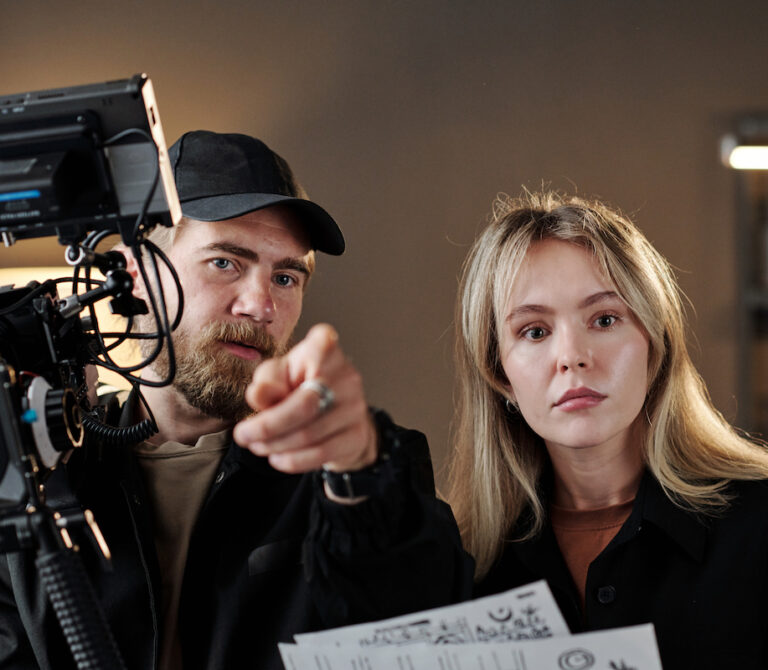
When you ask what is a director in a film or video production, think “chief storyteller.” A film director or movie director translates the script into a visual experience for audiences. A movie director shapes the story, visual style, performances, and sound. Film directing also involves casting actors and voice over artists and guiding their performance to match the script and creative vision. Directors are responsible for shaping the narrative from a creative aspect while also handling logistics like schedule, budget, and brand goals. They make critical decisions on casting, shot composition, and pacing, ensuring that the final product resonates with audiences. With that in mind, here’s a complete breakdown of what does a director do.
What does a director do?
Pre-Production:
- Script + style: A movie director decides on the theme, genre conventions, and creative vision.
- Storyboard + shot list: Define lenses, framing, camera movement, and source core film directing tools.
- Casting + VO strategy: Film directors hold auditions to cast the right actors and voice talent for the project.
- Tech + timing: They scout filming locations and collaborate with the pre-production crew to create the sets.
- Producer alignment: Directors collaborate with the executive producers to finalize the budget, schedule, and formulate a risk plan so the project is achievable.
Production:
- Performance direction: They guide the actors on how to deliver their lines and create a captivating performance.
- Blocking + pacing: They outline the actors’ movements and work with the cameraman to film scenes from the best angles for complete coverage and editorial flexibility.
- Visual language control: Movie directors work with the production crew to establish the best lighting, contrast, and camera angles.
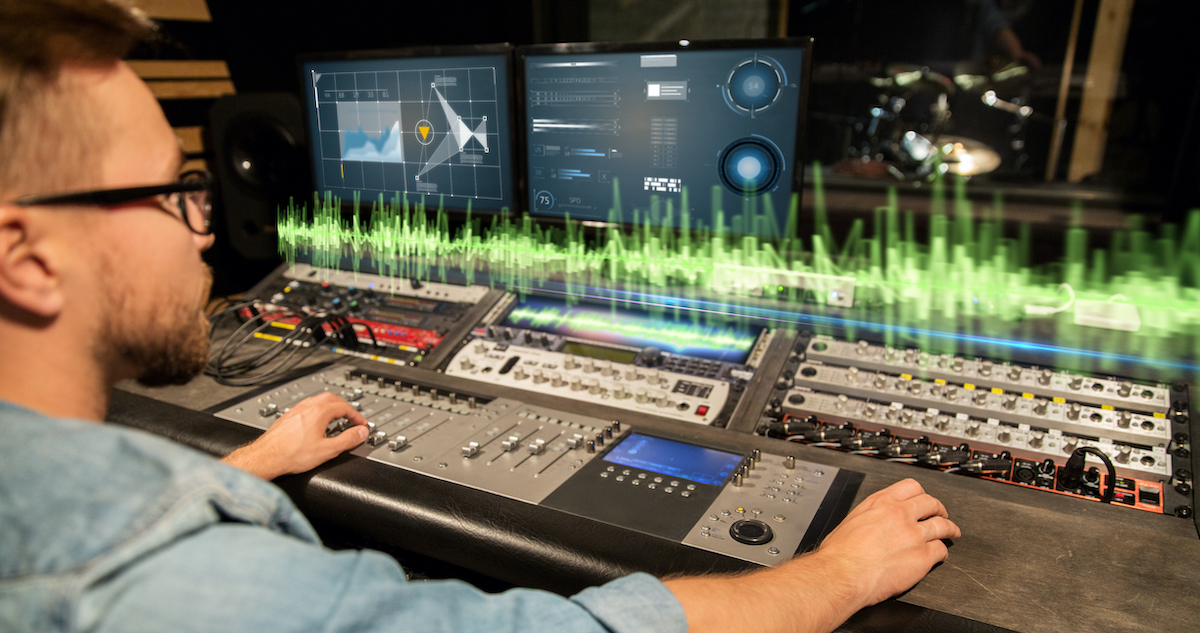
- Sound first mindset: Film directors work with the audio specialists to get clean production audio and mark moments that need ADR or narration.
Post-Production:
- Story editing: Film directors edit the footage to shape rhythm, restructure scenes, and test alt takes.
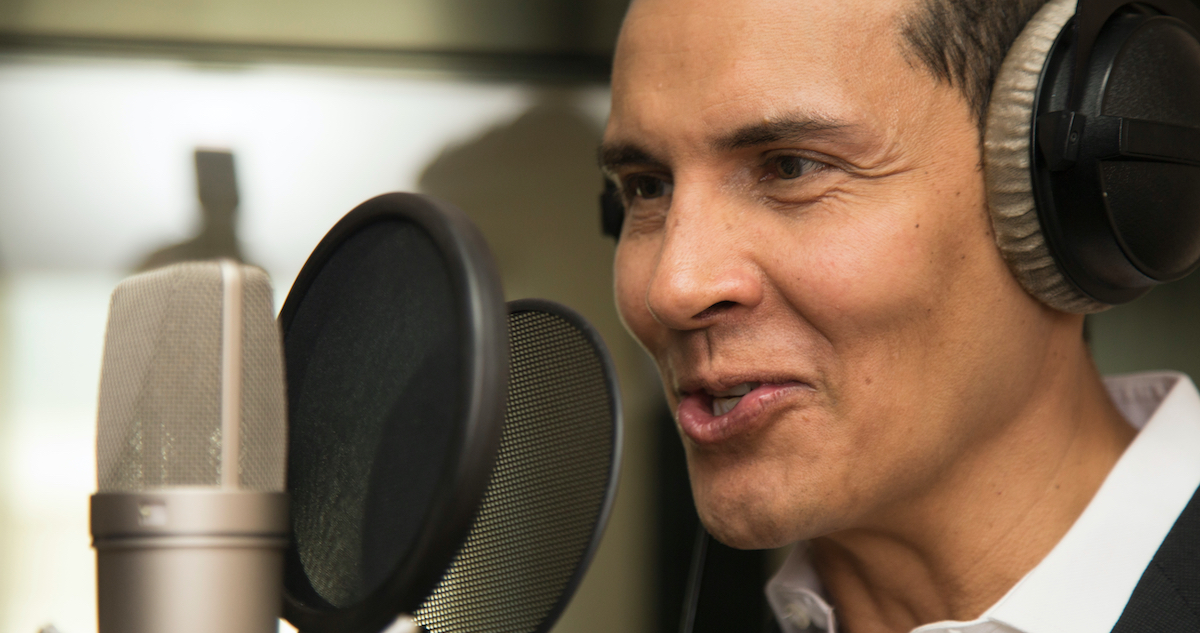
- Voice over integration: They direct VO sessions to fill narrative gaps, dubbing, or localization for different markets.
- Finishing: Movie directors guide the video editing process to create a cinematic masterpiece, and they work with audio editing specialists to add the soundtracks and improve the audio quality.
What does a movie director do?

A movie director or film director is mainly focused on the cinematic aspects of storytelling, like bringing a screenplay to life on the big screen, and making decisions that affect the film’s tone, style, and pacing. They also:
- Interpret the script and develop a visual narrative.
- Cast actors and guide their performances to align with character arcs.
- Collaborate with cinematographers to determine shot composition and camera movements.
- Oversee the production design to create immersive environments.
- Work with editors and sound designers during post-production to finalize the film.
What does a creative director do?
A creative director works in the advertising, marketing, or design industries. They oversee the creative process and ensure that the visual and messaging aspects of a campaign align with the brand’s identity and goals.
In the context of media production, they may work closely with film directors or movie directors to maintain brand consistency across various platforms. Their responsibilities include:
- Developing creative concepts and strategies.
- Leading creative teams, including designers, writers, and artists.
- Ensuring that all creative outputs meet quality standards and brand guidelines.
- Collaborating with clients or stakeholders to align creative visions.
Understanding what does a creative director do is essential for those interested in the intersection of creativity and business strategy. Their role shapes how audiences perceive and interact with films and brands.
Producer vs Director: Roles and responsibilities in film
Producer vs director involves different roles that are each crucial to the success of an AV project. Here’s a quick summary:
Director (creative + story): They handle the creative side of the project, like performances, picture, pacing, and casting.
Producer (business + logistics): Producers are in charge of the logistics and paperwork, like financing, budgeting, scheduling, legal, and deliverables.
Core skills for a film director
Directors need a diverse skill set that includes:
- Leadership: Directors must inspire and guide their teams, making decisive choices that steer the project toward its vision.
- Communication: Clear articulation of ideas ensures that the cast and crew understand the creative direction.
- Creativity: Innovative thinking allows directors to solve problems and bring unique perspectives to their work.
- Time Management: Efficient scheduling and prioritization are crucial to meet production deadlines.
- Technical Knowledge: Understanding the tools and technologies involved in production enhances a director’s ability to execute their vision effectively.
Final Thoughts
So, what does a director do? They shape how the story feels—on set and in the final cut. Their responsibilities include aligning performances, visuals, and voice over to create a project that audiences enjoy. Are you a director looking to cast for your next project? Book professional voice actors on Voice123 and give your story the sound it deserves!
FAQs
The main role of a director is to oversee the creative aspects of a production and they’re in charge of guiding the story, performances, visuals, and sound (including voice over) so the final cut delivers the intended audience experience.
Yes, although the amount varies by market, format, and experience. Indie shorts pay modest day rates, commercials and features pay higher fees, and film directors earn the most.
No, they work together, just with different mandates. The producer controls business and logistics while the director commands creative. Producers often have the final say on logistical elements because they’re in charge of finances and scheduling.
In corporate structures, a manager oversees execution inside a department while a director sets the strategy for the entire company. In filmmaking, the film director is the creative lead for a production, and it’s not a corporate title.