
How to create a LinkedIn profile as a voice actor
How to create a LinkedIn profile as a voice actor
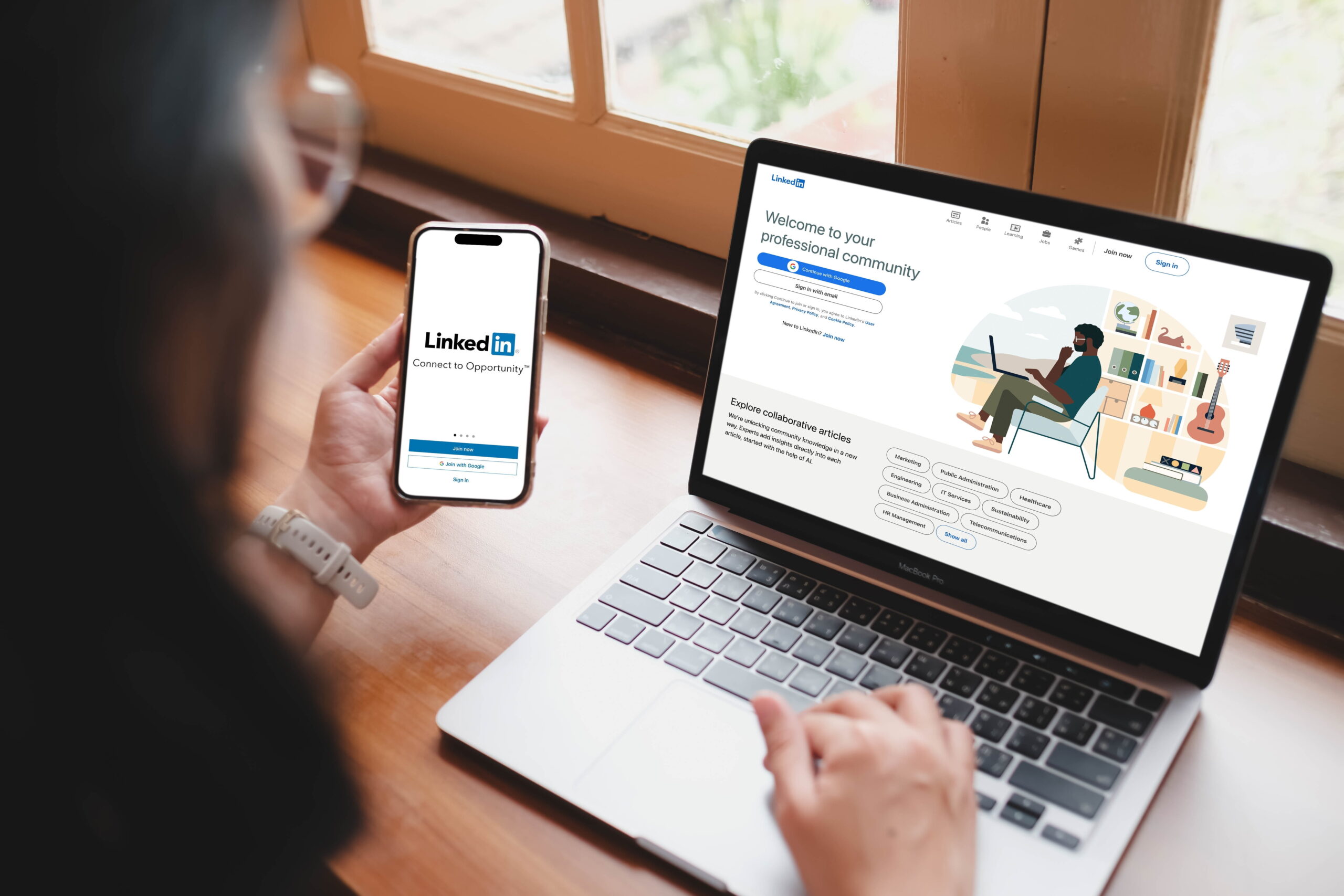
Learning how to create a LinkedIn profile as a voice actor is a crucial skill, whether you’re an experienced voice actor or just starting your career.
At Voice123, where you can get booked for voice over jobs, we know the importance of having a profile that highlights your skills as a voice actor.
In this post, we’ll explore how to create a LinkedIn profile, how to improve your LinkedIn profile, how to post on LinkedIn, and how to use LinkedIn for job search in the voice over industry.
Table of Contents
How to create a LinkedIn profile as a voice actor
How to improve your LinkedIn profile
How to post on LinkedIn
How to use LinkedIn for job search in voice over
How to create a LinkedIn profile as a voice actor
To create a LinkedIn profile as a voice actor, start by clearly communicating your voice over skills, showcasing your experience, highlighting your samples, and including the right contact information.
- Use a professional headshot.
- Write a keyword-rich headline.
- Create a client-focused About section.
- Showcase your voice acting experience.
- Upload portfolio samples.
- Add relevant voice over skills.
- Connect with producers, agencies, and marketers.
- Stay active by sharing valuable content.
- Link to your complete Voice123 profile so clients can hear your demos and book you.
Let’s break down each one in more detail.
How to create a professional LinkedIn profile
First impressions matter, especially in an industry built on trust.
Choose a recent, high-quality headshot that looks approachable and professional. Your personal branding should feel polished without looking overly corporate.
How to create a LinkedIn account with the right headline
A headline like Voice Actor doesn’t tell clients much.
Instead, your headline should immediately explain what you do and who you help.
For example:
Commercial Voice Actor | Conversational Brand Voice | eLearning & Corporate Narration
Or:
Professional Voice Actor | Podcast Intros | Explainer Videos | Character Voices
How to improve your LinkedIn profile’s About section
Answer real questions that the client will ask:
- What types of projects do you specialize in?
- What makes your voice unique?
- How quickly can you deliver?
- What industries do you work with?
- Do you have a professional recording studio?
- What can clients expect when working with you?
How to create a LinkedIn account without work experience
If you’re just starting out as a voice actor, remember that your LinkedIn profile doesn’t need Fortune 500 companies to look professional.
Think about all the voice over work you’ve completed, including:
- Student films
- YouTube channels
- Podcast intros
- Independent games
- Local commercials
- Community projects
- Volunteer recordings
- Self-produced demo work
- Freelance projects
As your career grows, your LinkedIn profile becomes a timeline of your professional development.
How to create a professional LinkedIn profile with samples
LinkedIn allows you to add videos, featured links, presentations, and media to your profile. Use these features to highlight your best voice over samples like:
- Commercials
- Character reels
- Corporate narration samples
- Podcast intros
- Explainer video clips
- Animation performances
- Audiobook excerpts
Then, include a link to your Voice123 profile.
While LinkedIn introduces potential clients to your professional background, Voice123 lets them explore your complete portfolio and book you directly for voice over work.
How to improve your LinkedIn profile
Learning how to improve your LinkedIn profile is an ongoing process. So, here are some tips:
- Refresh your headline to share your voice over specialties.
- Update your About section as your experience and niches evolve.
- Add new voice over projects to demonstrate recent experience
- Replace older demos with recent voice samples that represent the work you want to book.
- Request recommendations from satisfied clients after completing projects.
- Showcase testimonials to make your voice actor LinkedIn profile stand out.

How to post on LinkedIn
The key to learning how to post on LinkedIn as a voice actor is to focus on creating content that demonstrates skill over service.
Share behind-the-scenes photos of your home studio, completed projects, voice acting techniques, or quick voice acting tips.
Aim to post once or twice a week and engage with other voice actors and clients by commenting on their content. Consistent posting helps improve your visibility in LinkedIn’s algorithm and keeps your LinkedIn profile for voice actors active.
How to use LinkedIn for job search in voice over
Knowing how to use LinkedIn for job search can help you find unique voice over opportunities like freelance voice over work.
Search terms like voice actor, voice over artist, narrator, audio producer, or eLearning narration. Following companies in advertising, gaming, animation, podcasting, and corporate training can also help you discover upcoming projects.
Add your Voice123 profile to your LinkedIn account
Many people use these terms interchangeably, but they serve different purposes.
Recording software captures and edits your voice.
Editing software lets you trim mistakes, remove noise, and prepare files for delivery.
Audio mixing software balances multiple tracks, adjusts EQ, compression, music, and sound effects to create a polished final production.
For most voice actors, recording and basic editing are the priorities. Unless you’re producing podcasts, radio commercials, or full audio productions, you probably won’t need advanced mixing tools.
Conclusion
Learning how to create a LinkedIn profile as a voice actor isn’t just about filling in profile sections—it’s about building a professional brand that helps you connect with clients who hire voice actors every day.
Ready to turn LinkedIn connections into voice over clients?
Create your Voice123 profile today to increase your visibility and start booking more voice over work.
FAQs
A good LinkedIn profile includes a professional photo, a keyword-rich headline, a client-focused About section, relevant experience, portfolio samples, endorsements, and regular activity.
The 5-3-2 rule is a LinkedIn content strategy, explaining how to post on LinkedIn. Share five pieces of content, comment on three posts from other creators, and post two pieces of original content.
LinkedIn allows people to have one personal profile. You can showcase multiple voice over skills in one profile, and if you run a separate business, you can create a separate LinkedIn Company Page.

The best audio recording software for voice actors
The best audio recording software for voice actors
Whether you’re recording auditions from your home studio, narrating audiobooks, or voicing national commercials, your audio recording software can make just as much difference as your microphone.
At Voice123, where thousands of voice actors get booked for voice over jobs, we’ve seen how using the best audio recording software helps voice actors spend less time on audio editing and more time behind the mic.
So, in this guide, we’ll break down the best audio recording software so you can choose the right one for your studio.
Table of Contents
What is the best audio recording software?
What to look for in audio software
The best audio recording software for voice actors
Audio mixing software vs audio recording software
How to record and edit professional audio
What is the best audio recording software?
The best audio recording software depends on your experience, budget, and your type of voice over work. Audacity is one of the best free audio editing software available. But if you’re recording professionally every day, Adobe Audition or Reaper provide more audio editing power and efficiency.
Check out this comparison table for more info on professional audio recording software.
| Audio recorder |
Best For |
Free | Mac | Windows |
| Audacity |
Beginners & budget studios |
✔ | ✔ | ✔ |
| Adobe Audition |
Professional voice actors |
✖ | ✔ | ✔ |
| Reaper |
Freelancers & audiobook narrators |
Trial | ✔ | ✔ |
| Logic Pro | Mac users | ✖ | ✔ | ✖ |
| GarageBand |
Beginners using Mac |
✔ | ✔ | ✖ |
| Pro Tools |
Professional studios |
✖ | ✔ | ✔ |
| Ocenaudio |
Simple editing |
✔ | ✔ | ✔ |
| Descript |
Podcasters & creators |
Limited | ✔ | ✔ |
Why should you invest in audio recording software
Professional voice actors aren’t just recording audio. They’re editing video game voice overs, cleaning breaths in commercials, reducing noise in audiobooks, exporting multiple file formats, meeting client deadlines, and often recording dozens of auditions every week.
A good audio recorder means you can spend less time editing and more time recording auditions that will help you get started in voice over work.
Faster audio editing
Imagine spending five minutes editing every audition instead of fifteen.
If you record ten auditions each day, that’s nearly two hours saved every week.
Good audio editing software lets you:
- Edit mistakes quickly
- Apply presets automatically
- Remove unwanted breaths
- Export files in seconds
- Reuse favorite effects
The less time you spend editing, the more opportunities you have to audition or complete paid projects.
Better audio recording leads to more bookings
Clients don’t always know which microphone you used, but they do notice:
- Clean audio
- Consistent volume
- No distracting clicks or background noise
- Fast turnaround times
Professional audio recording software helps you deliver polished files that make clients feel confident hiring you again.
Post-production audio editing
The goal in voice over is to record clean audio that only requires minimal editing. The best recording software gives you tools like:
- Spectral repair
- Noise reduction
- Compression
- EQ
- Normalization
- Batch processing
These features can help make your voice sound better without making it sound over-processed.
What to look for in audio software?
Music producers often need hundreds of tracks, MIDI instruments, and virtual synthesizers. Voice actors usually need something much simpler: reliable recording, efficient editing, and clean exports.
Here are the features worth prioritizing in free audio editing software.
Non-destructive audio editing
Non-destructive editing lets you experiment without permanently changing the original recording.
This means you can:
- Undo edits instantly
- Restore deleted sections
- Compare different edits
- Work more confidently
2. Noise reduction tools
Even well-treated home studios pick up occasional background noise.
Look for software that includes:
- Noise reduction
- De-hum tools
- Click removal
- Mouth noise reduction
- Spectral repair
3. Punch and roll recording
If you’re interested in audiobook narration, this feature is almost essential.
Punch and Roll allows you to stop after making a mistake and immediately continue recording from the correct point instead of starting over.
Narrators recording hours of content can save enormous amounts of editing time using this workflow.
This is one area where Reaper has become particularly popular among audiobook professionals.
4. Multi-track recording
Although many voice actors record on a single track, multi-track support becomes valuable when you’re producing:
- Podcasts
- Character dialogue
- Commercial demos
- Radio imaging
- Video narration with music
Having multiple tracks also makes editing much more organized.
5. Plugin compatibility
As your studio grows, you’ll likely add professional plugins for EQ, compression, de-clicking, and mastering.
Choose the best audio recording software that supports standard VST or AU plugins so your setup can grow with your career.
Popular plugins include:
- iZotope RX
- Waves
- FabFilter
- Sonnox
- Accentize
6. Keyboard shortcuts
It may sound like a small detail, but keyboard shortcuts dramatically speed up editing.
Professionals often edit almost entirely without touching the mouse.
The ability to customize shortcuts can shave hours off your monthly workload.
7. Auto-save and backup features
Nothing hurts more than losing an hour-long recording because your computer crashes.
Modern recording software should automatically:
- Save projects
- Recover unsaved work
- Create backups
- Restore previous versions
These features provide peace of mind during long recording sessions.
8. Low CPU usage
Many voice actors work from compact home studios using laptops rather than powerful desktop computers.
Lightweight recording software helps reduce latency, improves recording stability, and keeps your sessions running smoothly. That’s why it’s so important to use compatible tools that work with Mac audio recording software and Windows audio recording software.
What is the best audio recording software for voice actors?
Now let’s compare the most popular options used by professional voice actors:
Audacity: Free audio recording software
For more than two decades, Audacity has been the go-to free audio recording software for beginner voice actors.
Despite being completely free, Audacity includes surprisingly powerful recording and audio editing capabilities that are more than enough for auditions, narration, podcasts, and eLearning projects.
Audacity is incredibly easy to learn. Within minutes, you can record, trim mistakes, normalize levels, remove background noise, and export high-quality WAV or MP3 files.
Its lightweight design also means it runs well on older computers without needing expensive hardware.
| Pros | Cons | Best For |
| Completely free | Interface feels dated | Beginner voice actors |
| Available for Mac and Windows | Limited workflow automation | Students |
| Easy learning curve | Fewer advanced editing features | Home studios |
| Supports VST plugins | Not ideal for large audiobook projects | Freelancers on a budget |
| Large online community and tutorials | Anyone looking for reliable free software | |
| Excellent for auditions and short-form projects |
Adobe Audition: Professional audio recording software
Designed specifically for spoken-word production, podcasting, radio, and broadcast work, it combines professional recording tools with industry-leading audio editing software features.
Audition really shines in post-production and audio mixing.
Its powerful Spectral Frequency Display allows you to remove clicks, mouth noise, hums, chair squeaks, and even isolated background sounds with remarkable precision.
For voice actors delivering multiple projects each week, this can significantly reduce editing time while producing cleaner audio.
It also integrates seamlessly with Adobe Premiere Pro, making it an excellent choice for creators producing both audio and video content.
| Pros | Cons | Best For |
| Outstanding dialogue editing tools | Monthly subscription required | Professional voice actors |
| Industry-leading spectral repair | Can feel overwhelming for beginners | Podcast producers |
| Excellent noise reduction | More advanced than casual users typically need | eLearning narration |
| Fast batch exporting | Commercial voice over | |
| Perfect for commercial voice over workflows | Daily client work | |
| Integrates with the Adobe Creative Cloud ecosystem |
Reaper
Reaper has become one of the most popular audio recording choices for professional voice actors, particularly audiobook narrators. Its flexibility, speed, and affordability make it a standout option for anyone recording regularly.
One of Reaper’s biggest advantages is its support for Punch and Roll recording. Instead of stopping a recording and fixing mistakes later, you can instantly jump back to the exact point where you made an error and continue recording.
Reaper is also incredibly lightweight. Even on older computers, it runs smoothly without demanding high-end hardware.
| Pros | Cons | Best For |
| Affordable one-time license | Steeper learning curve | Audiobook narrators |
| Exceptional customization | Interface isn't as polished as some competitors | Experienced voice actors |
| Excellent Punch and Roll workflow | Requires customization to unlock its full potential | Daily recording |
| Fast editing | Freelancers who want professional features without a subscription | |
| Supports thousands of plugins | ||
| Works on Mac and Windows |
Logic Pro: Mac audio recording software
If you’re recording exclusively on Apple devices, Logic Pro is one of the best Mac audio recording software options available.
While it’s widely known as a music production suite, Logic Pro also offers everything voice actors need for professional recording, editing, and exporting. The interface is clean, responsive, and integrates seamlessly with macOS.
Voice actors benefit from excellent built-in EQs, compressors, de-essers, and noise gates without purchasing additional plugins.
| Pros | Cons | Best For |
| One-time purchase | Mac only | Mac users |
| Powerful built-in effects | More features than most voice actors require | Content creators |
| Excellent performance on Mac | Professional home studios | |
| Professional editing tools | ||
| Frequent updates |
GarageBand
If you’re just starting your voice acting journey with Mac audio recording software, GarageBand is difficult to beat.
Already included with macOS, GarageBand provides a simple introduction to audio recording, editing, and exporting without overwhelming new users.
It lacks many advanced editing tools found in Logic Pro or Adobe Audition, but it’s good for recording auditions, demos, podcasts, and practice sessions.
Many successful voice actors recorded their first paid jobs using GarageBand before upgrading later.
| Pros | Cons | Best For |
| Completely free | Limited advanced editing | Beginner voice actors |
| Extremely beginner-friendly | No Windows version | Students |
| Simple interface | Less customizable | Home studios |
| Great recording quality | ||
| Built into every Mac |
Pro Tools
For decades, Pro Tools has been considered the industry standard in professional recording studios.
Although many voice actors working from home may never need its advanced capabilities, it’s still widely used in commercial studios, animation, ADR, dubbing, and major post-production facilities.
| Pros | Cons | Best For |
| Industry standard | Expensive | Studio environments |
| Excellent collaboration tools | Higher learning curve | ADR |
| Advanced routing | Subscription model | Animation |
| Professional workflow | Broadcast production |
Ocenaudio
If your workflow mainly involves recording auditions, trimming mistakes, and exporting finished files, Ocenaudio offers an excellent balance between simplicity and functionality.
Its interface is modern, responsive, and much easier to learn than many larger DAWs. Real-time effect previews also make editing much less intimidating for beginners.
| Pros | Cons | Best For |
| Free | Limited advanced features | Beginners |
| Easy to learn | Not ideal for complex productions | Auditions |
| Lightweight | Simple editing | |
| Fast editing | Quick client deliveries | |
| Cross-platform |
Descript
Descript has changed how many creators approach audio editing.
Instead of editing waveforms, you edit a transcript. Delete a word in the text, and the corresponding audio disappears automatically.
For podcasters, YouTubers, educators, and voice actors creating their own content, this can dramatically speed up production.
Descript also includes AI transcription, filler word removal, screen recording, and collaboration tools.
While it isn’t designed specifically for professional voice-over production, it’s an excellent companion tool for content creators and new voice actors.
| Pros | Cons | Best For |
| Transcript-based editing | Subscription pricing | Podcasters |
| AI transcription | Less precise than traditional DAWs | YouTube creators |
| Excellent collaboration features | Not ideal for complex audio restoration | Online educators |
| Fast podcast production | Voice actors creating content |
Audio recording software for Windows
These are the top picks for audio recording software for Windows:
- Reaper
- Audacity
- Adobe Audition
- Pro Tools
- Ocenaudio
These tools provide reliable recording, editing, and export capabilities while supporting common audio plugins.
Audio mixing software vs. audio recording software
Many people use these terms interchangeably, but they serve different purposes.
Recording software captures and edits your voice.
Editing software lets you trim mistakes, remove noise, and prepare files for delivery.
Audio mixing software balances multiple tracks, adjusts EQ, compression, music, and sound effects to create a polished final production.
For most voice actors, recording and basic editing are the priorities. Unless you’re producing podcasts, radio commercials, or full audio productions, you probably won’t need advanced mixing tools.
How to record and edit professional audio
Every voice actor develops their own process, but most follow a similar workflow.
1. Record: Capture clean audio in a quiet, treated space using proper microphone technique.
2. Edit: Remove mistakes, clicks, long pauses, and distracting breaths.
3. Clean up: Apply subtle noise reduction, de-clicking, or de-essing only where necessary.
4. Polish: Use light EQ, gentle compression, and normalization if the client requests processed audio.
5. Export: Deliver the format requested by the client, whether that’s WAV, MP3, or another specification.
Keeping your workflow simple and consistent helps you produce reliable, broadcast-ready recordings without over-processing your voice.
Conclusion
The best audio recording software is the one that helps you record efficiently, edit confidently, and consistently deliver high-quality audio.
Start with the features you need today and upgrade only when your workflow demands it.
Once your home studio is producing broadcast-quality recordings, the next step is finding clients who value professional audio. At Voice123, you can showcase your talent, audition for projects across industries, and connect with brands, producers, and creators looking for experienced voice actors.
Join Voice123 today to take the next step in your voice over career!
FAQs
Adobe Audition, Reaper, and Logic Pro are among the best professional options, while Audacity is one of the best free audio recording software choices for beginners.
Many podcasters use Adobe Audition, Reaper, Descript, Audacity, and GarageBand. The right choice depends on their editing needs and production workflow.
Professional recording studios commonly use Pro Tools, Adobe Audition, and Logic Pro because of their advanced editing capabilities and compatibility with professional production environments.
Audacity remains one of the best free audio recording software programs available thanks to its powerful editing features, cross-platform support, and active user community.
Yes. Many voice actors use Audacity for auditions, eLearning, and commercial work. While premium software offers more advanced workflow tools, Audacity is capable of producing broadcast-quality recordings when paired with good recording technique.
Reaper is a favorite among audiobook narrators because of its Punch and Roll recording workflow, while Adobe Audition and Pro Tools are also used for long-form narration projects.

How to work from home as a voice actor
How to work from home as a voice actor
Voice acting is one of the few creative careers where you can learn how to work from home and build a thriving business.
Whether you’re looking for work from home jobs to replace your 9-to-5 or you’re already booking remote voice over jobs, success depends on learning the right skills and techniques for remote work.
At Voice123, we’ve seen thousands of voice actors build successful careers from home studios around the world. So, if you’re wondering how to work from home as a voice actor, these practical tips will help you stay productive, sound professional, and book more remote work.
Table of Contents
How to work from home as a voice actor
Voice over tips for remote work
How to find remote jobs as a voice actor
How to work from home on Voice123
How to find work from home as a voice actor
The best way to work from home as a voice actor is to treat your home studio like a professional business by following these five steps to get remote voice over jobs:
- Create a dedicated recording space
- Establish a daily routine
- Invest in reliable equipment
- Protect your voice
- Market yourself as a voice actor
One of the best tips for remote work in the voice over industry is to use trusted platforms like Voice123 to find remote voice over jobs and connect with clients worldwide.
How to work from home as a voice actor
Learning how to work from home as a voice actor is about much more than setting up a microphone and waiting for auditions to arrive. Here are 8 ways to build a professional working from home routine as a voice actor.
Create a professional home studio
Setting up a home studio should be your first priority when learning how to work from home.
Think of your recording space as your office. It’s where you’ll audition, record projects, communicate with clients, and get booked for voice over remote jobs.
You don’t need a custom-built studio to get started in voice over work. To get work from home jobs, you can record from a converted closet, spare bedroom, or even a home office with acoustic panels, moving blankets, or isolation booths.
Before spending money on new gear, focus on reducing:
- Echo and room reflections
- Traffic and neighborhood noise
- Air conditioner and fan sounds
- Computer noise
- Household interruptions
Build a daily routine for working from home
One of the biggest challenges of working from home is that it’s easy to fall into an unpredictable schedule that can affect your productivity and creativity.
So, create a routine that includes dedicated time for auditions, client communication, recording sessions, editing, and marketing.
Morning
- Warm up your voice.
- Plan your day.
- Respond to client messages.
Midday
- Record auditions.
- Complete booked projects.
- Edit audio files.
Afternoon
- Update your portfolio.
- Network online.
- Practice scripts or learn new skills.
This structure keeps momentum going and gives you time to spend auditioning for remote voice over jobs and learning new skills.
Manage your remote work like a business
One of the biggest differences between voice acting and traditional work from home jobs is that you’re also running a voice over business.
On any given day, you might audition for new projects, record a commercial, edit audio, send invoices, update your website, and reply to clients.
Treating your remote work like a business from day one will make it easier to balance your daily tasks and keep up with voice over jobs as your client list expands.
Choose the right equipment for voice over jobs remote
Your priority voice over equipment should include:
- A professional microphone
- A reliable audio interface
- Closed-back headphones
- Acoustic treatment
- Fast, stable internet
- Recording software you’re comfortable using
Booking remote voice over jobs is also about being dependable. Clients value voice actors who can record quickly, communicate professionally, and deliver polished files on time.
Voice over tips for remote work
These 10 voice over tips for remote work will help you stay productive, improve your recordings, and build a successful career from home.
1. Batch similar tasks together
Instead of switching between editing auditions, sending emails, and marketing all day, group similar tasks into dedicated time blocks. This helps you stay focused, work more efficiently, and maintain consistent energy throughout your recording sessions.
2. Be easy to work with
Talent gets you noticed, but professionalism gets you hired again. Reply promptly, meet deadlines, follow the client’s brief carefully, and deliver organized audio files to build long-term relationships.
3. Protect your voice
Warm up before recording, stay hydrated, and take regular vocal breaks throughout the day. It’s also important to secure your voice online. Check out the Voice123 Voice Authenticity Initiative to learn how.
4. Minimize distractions
Silence notifications, schedule household tasks outside studio hours, and let family members know when you’re recording. Fewer interruptions mean better performances and faster turnaround times.
5. Create a professional client experience
From your first email to your final file delivery, every interaction shapes your reputation. Clear client communication, fast turnaround times, and a willingness to make reasonable revisions can turn one project into repeat work and referrals.
6. Keep marketing yourself
Optimize your Voice123 profile, update your samples, and connect with clients and voice actors online. Consistent marketing makes it easier to find work from home voice acting opportunities.
7. Continue learning how to work from home
Take acting workshops, improve your editing skills, and stay up to date with industry trends. Identify and improve your vocal skills to stay competitive as the voice over industry evolves.
8. Build strong client relationships
Respond quickly, communicate professionally, and always deliver projects on time. Happy clients are far more likely to hire you again and recommend your services.
9. Avoid burnout
Set clear working hours and step away from your studio at the end of the day. Taking breaks helps protect both your creativity and your vocal health.
10. Track your business growth
Monitor your auditions, bookings, repeat clients, and monthly income to see what’s working. Small improvements over time can lead to more voice over remote jobs and a stronger, more sustainable career.
How to find remote jobs as a voice actor
Finding remote voice over jobs today is easier than ever, but competition is growing too. A targeted approach leads to better auditions, stronger client relationships, and more bookings over time.
How to work from home on voice casting sites
Professional casting platforms like Voice123 connect voice actors with clients looking for everything from commercials and audiobooks to video games, podcasts, and eLearning narration. They’re one of the fastest ways to find legitimate voice over remote jobs while building relationships with clients around the world.
You can also find opportunities through:
- Production companies
- Video agencies
- Marketing agencies
- eLearning companies
- Game developers
- Podcast producers
- Independent creators
How to work from home with a Voice123 profile
Your Voice123 profile is often the first impression clients have of your business, so keep it polished and up to date. A complete profile with professional samples, a clear bio, and relevant skills helps clients quickly understand whether you’re the right fit for their project.
The more accurately your profile represents your abilities, the easier it is for clients to find you when searching for voice actors with your style and experience.
How to work from home and submit voice over auditions
Before you hit record, read the brief carefully and understand the tone, audience, and style the client is looking for.
Deliver clean, professionally recorded audio, follow the directions provided, and let your natural personality come through.
A confident, engaging performance with excellent sound quality will almost always outperform a generic read and help you book more voice over jobs remote.
Conclusion: How to work from home
Learning how to work from home as a voice actor is about more than having a great voice or a well-equipped home studio. It’s about building the habits, skills, and business mindset that help you consistently deliver exceptional work, attract new clients, and grow your career over time.
When you’re ready to take the next step, Voice123 can help you connect with brands, agencies, production companies, and creators looking for professional voice talent. Sign up for free and start finding voice over remote jobs that match your voice and expertise!
FAQs
To work from home as a voice actor, you’ll need a quiet recording space, professional audio equipment, a reliable internet connection, and a consistent routine for auditioning, recording, and marketing your services.
You can find remote voice over jobs through voice casting platforms like Voice123, production companies, marketing agencies, podcast producers, game developers, and eLearning companies.
Yes. Voice acting is one of the fastest-growing creative work from home jobs because recordings can be completed from a professional home studio and delivered digitally to clients anywhere in the world.
The best way to find work from home opportunities is to create professional samples, create a compelling online profile, audition consistently, network with producers, and maintain strong relationships with repeat clients.
Most voice over remote jobs require a professional microphone, audio interface, headphones, recording software, acoustic treatment, and a reliable internet connection. A quiet recording environment is often more important than expensive equipment.
Some of the best tips for remote work include following a daily routine, protecting your voice, minimizing distractions, maintaining professional communication, and continually improving your recording skills and marketing efforts.

Video game voice acting jobs explained: How to get hired in 2026
Video game voice acting jobs explained: How to get hired in 2026
Every year, thousands of aspiring voice actors dream of becoming the next iconic hero, unforgettable villain, or quirky NPC. But to turn that dream into a career, you need to know how to land video game voice acting jobs.
At Voice123, we know that getting booked for video game voice acting jobs requires the right blend of skill and strategy.
In this guide, we’ll explore how to get video game voice acting jobs no experience, how to improve your video game auditions, and we’ll share tips on voice acting for video games.
Table of Contents
What are video game voice acting jobs?
How to get video game voice acting jobs
Where to find video game voice acting jobs
Video game voice over skills
Video game voice acting auditions
Indie vs. AAA video game voice acting
How much do video game voice actors make?
How do you get video game voice acting jobs?
To get video game voice acting jobs, you need a professional sample playlist tailored to gaming, a quality home recording setup, and regular experience auditioning for indie and commercial projects.
Most successful voice actors build their careers one role at a time by networking, improving their performances, and using professional casting platforms like Voice123 to connect with developers and studios.
What are video game voice acting jobs?
Video game voice acting jobs are voice over jobs that involve performing dialogue, battle efforts, reactions, narration, creature sounds, and character voices for interactive games. A video game voice actor helps bring digital characters to life by delivering performances that make players emotionally invest in the story.
Voice acting for video games often requires recording hundreds—or even thousands—of individual lines. Characters may need alternate dialogue depending on a player’s choices, emotional reactions during gameplay, or different combat situations.
For example, a single role might require recording:
- Story dialogue
- Combat grunts and efforts
- Death reactions
- Emotional cutscene performances
- NPC conversations
- Interactive gameplay prompts
- Character barks and callouts
One session can switch from subtle emotional acting to intense shouting within minutes, making video game voice acting one of the most demanding specialties in the industry.
And it’s not just PlayStation and Nintendo hiring.
The explosion of indie game development, mobile games, VR experiences, educational games, and interactive storytelling means there are now more opportunities for video game voice actors, especially if you’re looking for video game voice acting jobs no experience.
Can you get video game voice acting jobs no experience?
Yes, many people search for video game voice acting jobs no experience to try and break into the gaming industry and develop another voice over skill. The reality is that developers care far more about your performance than your résumé.
Instead of asking whether you have enough experience, ask yourself:
- Can you convincingly play different characters?
- Can you take direction quickly?
- Is your audio broadcast quality?
- Do your performances sound believable?
- Can you stay consistent across long recording sessions?
Those are the qualities casting directors notice first.
The good news is that every professional game voice actor started somewhere. Smaller indie titles, game jams, visual novels, student projects, and independent RPGs often give newer actors valuable credits and experience in video game voice over skills.
How to get video game voice acting jobs
Landing consistent video game voice acting jobs isn’t about having the deepest voice or the best celebrity impression. It’s about becoming the kind of performer developers trust with their characters.
Learn how to become a voice actor for video games
Game studios hire video game voice actors, not impressionists.
A believable emotional performance will always outperform an impressive accent delivered without conviction. Whether you’re portraying a grieving survivor or a sarcastic robot, your acting choices are what make players believe the character is real.
Taking acting classes, improvisation workshops, or scene study sessions will improve your performances far more than spending hours trying to mimic famous characters.
Build a gaming-specific sample playlist
Developers want to hear what you sound like inside a game world.
A dedicated gaming demo should showcase a wide range of performances, including:
- Heroes
- Villains
- NPC dialogue
- Fantasy characters
- Sci-fi voices
- Emotional storytelling
- Combat efforts
- Creature sounds
A strong video game voice over demo demonstrates both acting range and vocal stamina.
Keep it fast-paced. Most casting directors decide within the first 20 to 30 seconds whether they’ll keep listening.
Invest in a professional home studio
Remote recording has become the industry standard.
Many video game auditions are now completed entirely from home, and developers expect clean, broadcast-quality recordings.
A voice over home studio with a quiet recording space, a quality microphone, an audio interface, and acoustic treatment is enough to produce professional audio that clients can use immediately.
Practice performances for video game voice overs
Reading lines naturally is one thing, but performing interactive dialogue is something else entirely.
Games often require actors to record branching conversations where multiple emotional outcomes occur back-to-back.
Learning to shift emotional states instantly is one of the most valuable skills any game voice actor can develop.
A great exercise is to take a single line of dialogue and perform it five different ways. You’ll quickly discover how much emotion can change a character without changing a single word.
Where to find video game voice acting jobs
Finding video game voice acting jobs has changed dramatically over the past decade.
Today, opportunities come from far more places than traditional talent agencies. Independent developers, mobile studios, VR creators, educational software companies, and international game publishers all cast remotely.
Knowing where to look gives you a major advantage.
Use casting platforms for video game voice over jobs
Professional casting platforms remain one of the most reliable ways to find legitimate video game auditions.
Voice123 connects voice actors with clients around the world, including independent game developers, production companies, animation studios, and creative agencies looking for authentic character performances.
Use gaming-focused samples, include relevant character styles, highlight accents and vocal abilities, and keep your portfolio updated as your skills improve.
Connect with indie video game developers
Some of today’s biggest gaming franchises started as small independent projects.
Indie developers regularly need:
- Character voices
- Narrators
- Creature vocals
- Tutorial voices
- Companion dialogue
- Cinematic narration
These projects may have smaller budgets than AAA productions, but they often offer something even more valuable: experience, credits, and long-term relationships.
Many professional voice actors book their first recurring voice acting video game jobs through independent studios before moving into larger productions.
Join gaming communities
Game development communities on Discord, itch.io, and game jam events regularly bring together programmers, writers, artists, composers, and voice actors looking to collaborate.
Not every project will be paid, and you should always evaluate opportunities carefully. But these communities can help you build your portfolio, connect with developers, and create relationships that may lead to future paid work.
Sometimes the next successful indie game isn’t posted on a casting website—it’s being built by a small team you’ve already connected with.
And that’s why consistent networking can become just as valuable as another audition.
What video game voice over skills do you need?
Landing video game voice acting jobs takes much more than a distinctive voice. The best performers combine acting ability with technical skill, adaptability, and professionalism.
Vocal stamina
Unlike commercial work, voice acting for video games can be physically demanding.
Action games often require repeated combat efforts, screams, death sounds, heavy breathing, and emotional dialogue over several hours. Without proper vocal technique, you risk fatigue—or worse, injury.
Learning how to warm up your voice, hydrate properly, and recognize your vocal limits is essential for a long career.
Character versatility
Few actors book work by performing just one type of character.
A typical recording session could involve voicing a heroic knight, a frightened villager, an alien merchant, and a robotic AI within the same day.
The broader your range, the more valuable you become to developers looking to cast multiple characters efficiently.
Taking direction
Game directors rarely want the exact performance from your first take.
Professional video game voice actors listen carefully, adapt quickly, and make adjustments without losing the emotional truth of the scene.
Being easy to direct often matters just as much as raw talent.
Consistency
Games are developed over months or even years.
You may record additional dialogue long after your original session, so maintaining the same tone, accent, pacing, and personality is a vital skill every game voice actor must master.
How to record video game samples that get noticed
Think of your samples as the prequel to the actual video game audition.
A strong video game voice over sample should be around 60 to 90 seconds and immediately showcase your acting ability.
Include a variety of original characters, such as:
- A confident hero
- A mysterious villain
- An emotional, dramatic scene
- A fantasy or sci-fi character
- Natural NPC dialogue
- Combat efforts and reactions
- Creature or monster vocals
Most importantly, use professional audio. Great performances can easily be overlooked if they’re hidden behind poor production quality.
How video game auditions work
One of the biggest surprises for newcomers is how quickly video game auditions happen.
You might receive a script with only a few lines, a brief character description, and instructions to submit your recording within 24 or 48 hours.
Sometimes the character description is detailed.
Other times, it simply says something like:
“Female, late 20s, fearless leader with hidden vulnerability.”
It’s your job to bring that character to life.
Before recording any audition:
- Read the script several times before pressing record.
- Research the game’s genre if possible. A fantasy RPG requires a different performance style than a cartoon platformer or survival horror game.
- Record multiple takes with different emotional choices.
- Follow the technical instructions carefully. If the client asks for a WAV file at a specific sample rate, don’t send an MP3.
- Professionalism starts before you’re hired.
- Remember that most auditions won’t lead to bookings, and that it’s completely normal to audition multiple times before booking video game voice acting jobs.
Indie games vs. AAA games: Where should you start?
When people picture video game voice acting jobs, they often imagine blockbuster franchises like Call of Duty or Super Mario with huge production budgets.
But that’s only one part of the industry.
Indie games
Independent developers create thousands of games every year across PC, console, VR, and mobile platforms.
Benefits include:
- Easier access for newer actors
- More creative freedom
- Opportunities for larger roles
- Portfolio-building credits
- Relationships with emerging studios
Many successful actors booked their first paid voice acting video game jobs through indie developers before moving into larger productions.
AAA games
AAA studios typically have larger budgets, experienced casting directors, union considerations, and far more competition.
These roles often require:
- Extensive acting experience
- Strong samples
- Proven recording quality
- Exceptional consistency
Rather than waiting for a dream opportunity, focus on building experience through smaller projects first.
How much do game voice actors make?
One of the most common questions about video game voice acting jobs is how much they pay.
The answer depends on several factors, including experience, project size, usage, recording time, and whether the work is union or non-union.

A new video game voice actor working on indie projects may earn anywhere from around $100 to several hundred dollars per session.
Mid-level professionals often command higher session rates while working with established developers, production companies, and international studios.
Experienced actors working on major AAA titles or long-running franchises can earn significantly more, particularly when recording recurring characters over multiple sessions.
Rather than focusing solely on hourly rates, think about building long-term relationships.
Many successful actors generate consistent income by working with returning developers who trust them across multiple projects.
Conclusion
Breaking into video game voice acting jobs isn’t about having the perfect voice—it’s about becoming the best video game performer.
And when you’re ready to start video game voice acting, platforms like Voice123 can help you find and book voice over jobs.
Join Voice123 today to take the next step!
FAQ's
Start by developing your acting skills, creating a professional video game voice over sample playlist, building a broadcast-quality home studio, and auditioning regularly through professional casting platforms like Voice123.
A game voice actor can earn anywhere from around $100 per indie recording session to several thousand dollars for major commercial or AAA productions. Earnings depend on experience, project scope, usage rights, and whether the work is union or non-union.
You can find video game voice acting jobs through professional casting platforms like Voice123, independent game studios, game development communities, networking events, Discord servers, game jams, and talent agencies specializing in interactive entertainment.
To get hired for video game voice acting, record high-quality samples, invest in professional recording equipment, practice acting consistently, submit high-quality auditions, follow client instructions carefully, and maintain a professional online presence.

Commercial voice over: The complete guide for voice actors
Commercial voice over: The complete guide for voice actors
Commercial voice over is one of the most competitive—and rewarding—areas of voice acting.
At Voice123, we’ve seen how brands constantly need voices for TV ads, YouTube campaigns, streaming services, podcasts, radio, social media, and digital marketing.
That means there’s a steady demand for skilled commercial voice actors.
Whether you’re just starting your voice acting career or you’re ready to book bigger clients, this guide will help you learn how to become a voice actor for commercials and land commercial voice over jobs.
Table of Contents
What is commercial voice over?
Types of commercial voice over jobs
How to practice commercial voice overs
Where to find commercial voice over jobs
What is commercial voice over?
Commercial voice over is a voice over that’s used to advertise or promote a product, service, brand, or idea. Commercial voice overs are everywhere—from national television campaigns and radio spots to streaming platforms.
A voice over for commercials is designed to persuade. Every line aims to create an emotional response, build trust, or encourage the audience to take action.
Today’s commercial market includes projects like:
- Television commercials
- Radio advertising
- YouTube ads
- Streaming platform commercials
- Podcast sponsorships
- Social media advertising
- Digital display campaigns
- Retail and in-store advertising
- Product launch videos
Commercial voice over services are one of the largest and most active areas of the voice acting industry.
Why should you get into commercial voice over?
If your goal is to build a sustainable voice acting career, commercial voice over jobs should be part of your strategy.
Every business—from local startups to global brands—needs advertising. New products launch every week, marketing campaigns constantly refresh, and social media demands an endless stream of new content.

The explosion of digital marketing has also transformed the industry.
Twenty years ago, many voice actors focused primarily on television and radio. Today, companies create ads for:
Every platform creates more opportunities for commercial voice over actors who can adapt their delivery to different audiences.
Types of commercial voice over jobs
Learning the different styles of voice over commercials will make you a stronger performer and help you audition more confidently.
Television commercials
TV remains one of the highest-profile forms of advertising voice over.
Television commercials combine visuals, music, and voice acting to create memorable campaigns. Your role is to complement the visuals and bring the ad to life.
Modern TV reads are often:
- Conversational
- Warm
- Confident
- Authentic
- Emotionally believable
The audience should feel like they’re hearing a recommendation from someone they trust.
Radio commercials
Without visuals, radio ads rely entirely on sound.
A strong ad voice over for radio creates vivid mental images through vocal performance alone. Energy, pacing, timing, and emotional variation become even more important because your voice carries the entire story.
Digital advertising
This is one of the fastest-growing areas of commercial voice over services.
Digital advertising includes:
- YouTube ads
- Instagram Reels
- TikTok campaigns
- Facebook videos
- Website explainers
- Streaming commercials
Digital audiences have incredibly short attention spans. You often have just a few seconds to grab attention before someone scrolls away.
That means your delivery must feel immediate, genuine, and engaging from the very first sentence.
Podcast advertising
Podcast ads have become a major source of work for commercial voice over actors.
Unlike traditional commercials, podcast advertising often sounds informal and conversational. Many brands want a “trusted friend” style rather than a polished announcer.
Social media campaigns
Social media has changed the sound of commercial voice acting.
Instead of polished corporate messaging, brands want voices that sound relatable and authentic.
That’s why you’ll often hear casting briefs asking for:
- conversational
- genuine
- friendly
- believable
- real
- non-announcer
Understanding these trends will help you stand out during auditions.
What skills do you need as a commercial voice actor?
Authentic acting: Commercial voice acting is still acting.
You’re portraying a believable person in a specific situation—not simply reading words from a page.
Before recording, ask yourself:
- Who am I?
- Who am I talking to?
- Why am I saying this?
- What emotion drives this message?
Answering these questions creates performances that sound genuine rather than scripted.
Script interpretation: Professional commercial voice over scripts often contain very few words.
A great voice actor learns to identify:
- the target audience
- the emotional tone
- the brand personality
- the desired call to action
The better you understand the script’s purpose, the more effectively you’ll deliver it.
How to develop your own commercial voice over style
Modern advertising has shifted dramatically over the past decade. The booming movie trailer sound has largely given way to something much more relatable.
Clients now want performances that sound like genuine conversations.
One of the best ways to develop this style is to listen carefully to current commercials. Pay attention to national TV campaigns, YouTube ads, podcast sponsorships, and streaming platforms.
Ask:
- Why does this performance feel believable?
- What emotion is being communicated?
- Where do they pause?
- Which words receive emphasis?
- How conversational does it sound?
How to practice commercial voice overs
The best commercial voice over artists dedicate time every day to improving their craft, even when they aren’t working.
A simple practice routine might include recording a new commercial each day, listening back critically, and then recording it again using a completely different emotional approach.
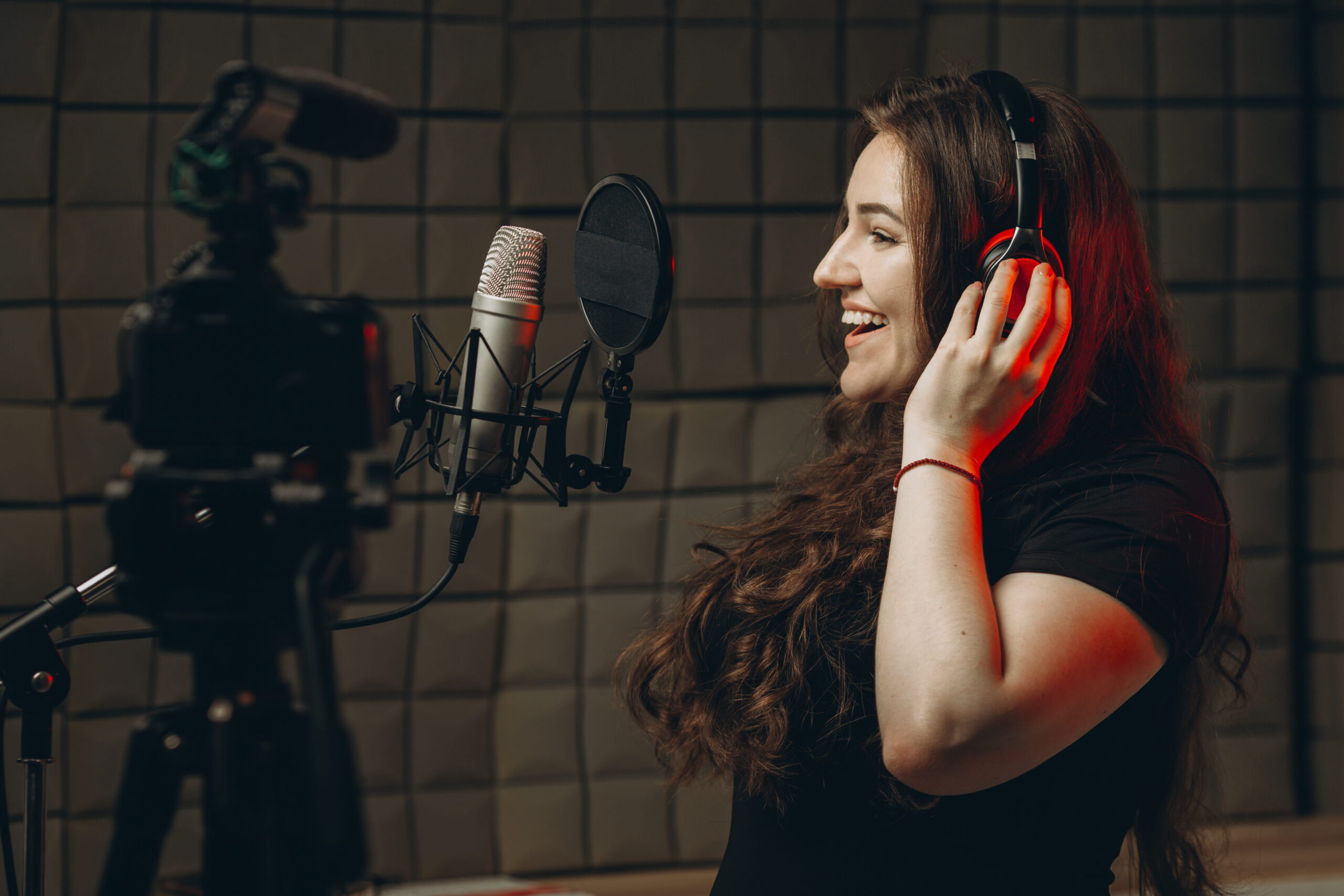
Another effective exercise is to find current YouTube advertisements and imagine how you would approach the read if you were the selected talent.
Record the right commercial voice over samples
An effective commercial sample should showcase your range without trying to be everything to everyone.
Aim for approximately 60 seconds, featuring several short spots that demonstrate different styles and emotions. Show that you can move naturally between conversational, upbeat, emotional, confident, humorous, sincere, and promotional reads.
Clients expect clean audio, professional editing, seamless transitions, and broadcast-quality sound.
If your goal is premium commercial work, every second of your sample should reinforce that message.
How to prepare for commercial voice over auditions
Auditioning is part of every successful voice acting career.
Even experienced commercial voice over actors audition far more often than they book jobs.
Instead of viewing auditions as failures or successes, think of them as opportunities to practice your skills while getting your voice in front of new clients.
Before recording, read the casting brief carefully.
- What is the brand trying to communicate?
- Who is the target audience?
- How should the listener feel after hearing the commercial?
Once you understand the intention behind the copy, avoid overthinking your performance.
Try one version exactly as you first imagined it, then record another with less energy, more emotion, or with different pacing.
Sometimes the unexpected read becomes the winning audition.
Where to find commercial voice over jobs
Online marketplaces like Voice123 connect voice actors with clients seeking professional talent for television, radio, digital advertising, social media, podcasts, and corporate campaigns.
Many voice actors also build relationships with production companies, advertising agencies, creative studios, video producers, and independent businesses.
Clients who enjoy working with you often become repeat customers, and repeat customers frequently recommend reliable talent to colleagues.
Conclusion
A successful career in commercial voice over isn’t built overnight.
It comes from consistent practice, thoughtful training, professional demos, and a willingness to keep learning with every audition.
When you’re ready to put your skills into practice, Voice123 gives you access to clients searching for experienced commercial voice over artists, helping you audition for projects, build lasting relationships, and grow your voice acting career.
Join Voice123 today to take the next step in your voice over career!
FAQ's
Commercial voice over is a type of voice over that’s used to advertise products, services, brands, or ideas. It includes television commercials, radio ads, social media campaigns, YouTube videos, streaming platforms, podcast advertisements, and other forms of marketing.
Becoming a commercial voice actor starts with developing strong acting skills, practicing regularly, recording professional samples, building a quality home studio, and auditioning on platforms like Voice123 to gain experience and connect with clients.
Income varies depending on experience, usage rights, union status, and the size of each campaign. Some beginners earn a few hundred dollars per project, while experienced commercial voice over artists working on national campaigns can earn thousands of dollars from a single booking.
Commercial voice overs persuade listeners to take action, while narration focuses on informing, educating, or guiding an audience. Commercial reads are typically shorter, more emotionally driven, and designed to promote a brand or product.
You can find commercial voice over jobs through online casting platforms like Voice123, talent agencies, production companies, advertising agencies, video production studios, and by networking directly with businesses that regularly produce marketing content.

How to get started in voice over work
How to get started in voice over work
Figuring out how to get started in voice over work can be overwhelming, confusing, and frustrating.
But the good news is that most successful voice actors started exactly where you are now, practicing scripts at home, recording first takes, and learning how to get voice over work one audition at a time.
In this guide, we’ll explore how to get started in voice over work, how to get voice over jobs, and how to get started in voice over business.
Table of Contents
What is voice over work?
How to get started in voice over work
How to get voice over work online
How much can you make as a beginner voice actor?
What is voice over work?
Voice over work is the art of using your voice to bring scripts, characters, stories, and brands to life. The most popular types of voice over work are:
- YouTube videos
- TikTok ads
- Audiobooks
- Podcasts
- Commercials
- Video games
- Animation
- Corporate training videos
- Narration
- AI voices
- Explainer videos
- eLearning courses
Do you need experience to start voice acting?
No. One of the biggest myths about voice over work for beginners is that you need a naturally “perfect” voice. You don’t.
Clients are often looking for voices that sound relatable, conversational, and authentic.
What matters more is your ability to:
- interpret scripts
- communicate emotion
- sound believable
- understand pacing
- connect with listeners
One of the biggest challenges of how to get started in voice over business is waiting too long to start.
You don’t need to spend months researching microphones, courses, and software. Instead, make time to practice and audition every day, and over time, you’ll learn how to get voice over jobs that suit your voice style.
How to get started in voice over work from home
Here’s a quick overview of how to get started in voice over:
- Learn the basics
- Practice consistently
- Create samples
- Audition regularly
Let’s look at each one in more detail

Build a simple beginner voice acting setup
Your recording space matters more than your microphone, so always focus on sound quality first when learning how to get started in voice over work.
Beginner microphones for how to get started in voice over
You do not need elite studio equipment to start voice acting.
Some reliable beginner voice acting microphones include:
Your recording space is critical
You don’t need a perfect studio to get voice over jobs.
Some beginner-friendly solutions for a home studio setup are:
- closet recording setups
- moving blankets
- thick curtains
- rugs
- foam panels
Use beginner-friendly recording software
You can start with:
- Audacity (free)
- GarageBand
- Adobe Audition
At this stage, your goal is to learn how to make your audio sound better so you can improve in how to get started in voice over business.
Practice voice acting every day
Voice acting is performance-based, and the more you practice, the stronger your delivery becomes.
Daily practice should include:
- reading scripts aloud
- recording yourself
- improving pacing
- practicing emotional delivery
- learning conversational reads
- cold reading unfamiliar scripts
You can use our voice over script library to find different styles to experiment with and discover your strengths.
How to get started in voice over work with samples
When clients listen to samples, they’ll usually decide within seconds whether they want to keep listening. So your sample needs to sound polished, fast-paced, and relevant.
What to include in a beginner voice over sample
Your sample playlists can include:
- commercial reads
- narration
- corporate tone
- social media ad style
- conversational reads
Keep clips short, varied, and optimized with the right keywords to demonstrate versatility, personality, and emotional range.
How to get voice over work online
Now comes the biggest question in voice acting: How to find voice over jobs?
Online casting platforms have completely changed how to get voice over work because it allows voice actors to connect with clients looking to hire voice actors for audiovisual projects.
Once a client posts a project, voice actors submit auditions, the client shortlists their favorites, and one actor gets booked.
Get more tips here on how to improve your auditions.
How much money can beginners make in voice over work?
Here are a few price ranges from the GVAA Rate Guide:
|
Project Type |
Beginner Range |
|
YouTube narration |
$50–$200 |
|
Podcast intro |
$75–$300 |
|
eLearning |
$100–$500 |
|
Commercial reads |
$150–$1,000+ |
Voice over is also a long-term business. The more time you spend improving your voice acting skills, audio quality, speed, and client communication, the easier it will be to brand yourself as a voice actor and get booked consistently.
Conclusion
Learning how to get started in voice over work can feel intimidating at first, but every professional voice actor has started exactly where you are now: practicing scripts, testing microphones, and wondering whether they were “good enough.”
Voice acting is a skill built through repetition, persistence, and determination.
And when you’re ready to start voice acting with voice over jobs, platforms like Voice123 can help you grow your voice acting career.
Join Voice123 today to take the next step!
FAQ's
You can start voice over work with no experience by practicing scripts daily, creating a simple home recording setup, recording samples, and auditioning consistently on platforms like Voice123.
To get hired for voice over work, you need auditions, clean audio quality, reliable communication, and consistent practice. Many beginners use online casting platforms like Voice123 to get booked for voice over jobs.
Voice over work is accessible for beginners, but building a sustainable career takes time, practice, and persistence. The industry is competitive, but online voice casting platforms make it easier to get voice over jobs remotely.
There are no formal qualifications required for voice over work. However, voice acting skills, clear audio quality, script interpretation, and professionalism are important to build a long-term voice acting career.

Freelance voice acting vs full time: Which one is right for you?
Freelance voice acting vs full time: Which one is right for you?
Should you pursue freelance voice acting or go full-time?
Some voice actors thrive on the flexibility of freelance voice acting jobs. Others prefer the structure and long-term voice acting career that comes with a full-time business.
But many successful voice actors do both at different stages of their careers.
So before you quit your day job and jump into remote voice acting jobs, let’s break down what each path actually looks like so you can choose the best option for your career.
Table of Contents
Freelance vs full time voice acting
What is freelance voice acting?
What is full time voice acting?
Pros and cons of freelance vs full time voice acting
How much can freelance voice actors make?
How to start a freelance voice acting career
Freelance voice acting vs full time
Freelance voice acting gives you flexibility, control, and the freedom to choose your projects, clients, and schedule. Full-time voice acting offers more career focus and potentially higher long-term earnings.
Here’s the simple breakdown:
|
Freelance voice acting |
Full-time voice acting |
|
Flexible schedule |
Structured daily workflow |
|
Can start part-time |
Requires a consistent income |
|
Lower financial risk initially |
Higher pressure to book regularly |
|
Multiple clients and niches |
Often more specialized |
|
Easier for beginners |
Best for established talent |
|
Great for remote work |
Demands business discipline |
What is freelance voice acting?
Freelance voice acting means working independently instead of being employed by a company or studio. You audition for projects, manage your own schedule, set your voice over rates, communicate with clients, and record in your home studio or via a remote setup.
A freelance voice actor can work on various voice over projects. One day, you’re voicing a mobile game villain. The next day, you’re narrating software onboarding videos for a SaaS company.
That’s one of the biggest reasons voice acting freelance jobs are growing so quickly.
Remote voice acting jobs also happen entirely online.
This allows some voice actors to audition daily, while others work part-time around another career. You get to decide how your freelance voice acting career works.
Voice123 is an online voice casting platform that gives you complete control over your career. You can audition selectively, set your rates, focus on your voice over niche, and create a schedule that works for your lifestyle.
What does full-time voice acting actually mean?
Being a full-time voice actor doesn’t necessarily mean working for one employer. In fact, most full-time voice actors are still freelancers.
The difference is that voice over becomes your primary income source.
Full-time voice acting also involves running a voice over business.

The actual recording time is often only part of the job. The rest involves branding, business management, audio editing, negotiating usage rights, and staying visible in a competitive market for remote voice acting jobs.
The advantages of freelance voice acting
Freelance voice acting gives you control and flexibility that can completely change how you work and live.
You control your schedule
This is one of the biggest reasons people explore freelance voice acting jobs.
Freelance voice over allows you to:
- work when you want to
- audition after your 9-to-5
- build a late-night/early morning workflow
- travel while working remotely
A part-time freelance voice actor might record eLearning projects during evenings and commercial auditions on weekends before eventually going full-time.
You can build multiple income streams
Another hidden benefit of freelance voice acting work is diversification. You can build income across different industries like:
- commercials
- gaming
- corporate narration
- podcasts
- training videos
- YouTube content
- dubbing
You choose your creative direction
Some voice actors are skilled at anime and gaming. Others prefer calm eLearning narration or corporate explainers.
Freelance voice over allows you to choose your own voice over work.
On Voice123, you can customize your freelance voice over profiles, highlight specific samples, and pursue the types of projects that suit your voice over skills.
The challenges of freelance voice acting
Freelance voice acting can be exciting, but it also demands consistency and resilience.
Income can fluctuate
Unpredictability is one of the hardest parts of voice acting freelance jobs, especially early on. Even experienced professionals experience slow periods.
That’s why building repeat clients matters so much.
You’re also running a business
A freelance voice actor is also:
- managing invoices
- responding to emails
- organizing contracts
- maintaining gear
- improving SEO profiles
- updating samples
Voice acting freelance work includes a lot of non-creative tasks.
The upside? You gain independence.
The downside? You can’t completely switch off.
Burnout is real
When your home becomes your studio, boundaries blur fast.
Many freelance voice actors struggle with:
- over-auditioning
- inconsistent sleep
- working weekends
- creative fatigue
- constant availability
The advantages of full time voice acting
Faster skill development
The more you audition, record, and communicate with clients, the faster you improve and develop:
- stronger acting instincts
- faster editing workflows
- Better client communication
- improved business systems
More earning potential
More availability in freelance voice acting jobs often leads to:
- larger projects
- faster turnaround opportunities
- repeat clients
- agency representation
- premium rates
Many successful full-time voice actors eventually build long-term client relationships that generate recurring work instead of relying entirely on auditions.
The challenges of full-time voice acting
Financial pressure
When voice over becomes your primary income source, every slow month increases the financial strain, which can affect your:
- confidence
- audition performance
- pricing decisions
- creative energy
This is why many coaches recommend building savings before fully transitioning to freelance voice acting work.
Intense competition
Getting remote voice acting jobs is easier than ever. More opportunities exist online, but that means there are also more people auditioning.
Success often comes down to:
- consistency
- audio quality
- acting skill
- professionalism
- communication
- niche positioning
Creative isolation
A home studio sounds amazing until you realize you haven’t spoken to another human all day except during retakes.
Many full-time voice actors avoid creative isolation by building routines around:
- networking
- voice coaching
- online communities
- conferences
- collaborative projects
How much can freelance voice actors make?
Beginner freelance voice acting jobs may pay between a few hundred and a few thousand dollars, depending on the type of project, your portfolio, and skill level.
Here’s a simplified breakdown of the cost of voice acting freelance jobs:
|
Niche |
Income potential |
|
Commercials |
High |
|
eLearning |
Stable and consistent |
|
Corporate narration |
Moderate to high |
|
Video games |
Variable |
|
Audiobooks |
Time-intensive |
|
Podcasts |
Lower to moderate |
|
AI voice licensing |
Growing rapidly |
How to start a freelance voice acting career
Starting voice acting freelance jobs today is more accessible than ever, thanks to freelance voice acting websites and remote voice acting jobs.
One of the fastest ways to access freelance voice acting work is through professional casting platforms.
Voice123 allows voice actors to:
- audition remotely
- set their own voice over rates
- customize their workflow
- set rates that match their goals
- connect with clients worldwide
- explore projects across multiple industries
Voice123 memberships are also designed for different stages of a voice acting career. You can get freelance voice acting jobs on a free plan and upgrade to a paid membership later on for more auditions and larger opportunities.
Conclusion
Freelance voice acting has completely changed how voice actors build careers.
Voice123 gives voice actors the freedom to shape their own careers, whether you’re exploring freelance jobs for beginners, building remote voice acting jobs into a side income, or pursuing full-time voice over opportunities.
Join Voice123 today to start your voice acting career!
FAQ's
Start by building a basic home studio, creating professional demos, improving your acting skills, and joining casting platforms like Voice123 to audition for freelance voice acting jobs.
You can find freelance voice acting work on professional casting platforms, production company websites, networking groups, and voice over freelance websites like Voice123.
Yes. Many voice actors begin part-time while working another job before transitioning into full-time freelance voice acting work.
Absolutely. Many remote voice acting jobs are fully online, allowing voice actors to record, edit, and deliver audio from home studios.
Start with training, a quality microphone, acoustic treatment, professional demos, and regular auditions. Building consistency and client relationships is key to growing a voice acting freelance career.
Voice acting for beginners: How to start a VO career in 2026
Voice acting for beginners: How to start a VO career in 2026
Voice acting for beginners in 2026 doesn’t require a Hollywood agent or expensive studio access to get started.
You need the right skills, a good recording setup, persistence, and a strategy that helps you get voice over jobs for beginners.
If you’ve been wondering how to do voice acting for beginners or how to get into voice acting in 2026, this guide will explain everything you actually need to know about voice acting jobs for beginners.
Table of Contents
What is voice acting for beginners?
How to do voice acting for beginners
Voice acting equipment for beginners
How to get into voice acting
How to find voice acting jobs for beginners
What is voice acting for beginners?
Voice acting for beginners involves learning how to do voice overs for audiovisual projects like audiobooks, video games, and short-form content. It’s the starting point for anyone who wants to build a freelance voice over career and get voice acting jobs for beginners.
Voice over jobs for beginners include:
- YouTube narration
- Podcast intros
- TikTok and social media ads
- eLearning courses
- UGC content
- Explainer videos
- Indie video games
- AI voice training projects
- Corporate voice overs
If you’re interested in getting into voice acting from home, with the right practice, equipment, and consistency, beginners can now audition for voice over jobs from almost anywhere.
How to do voice acting for beginners in 2026
If you’re trying to figure out how to do voice acting for beginners, start simple and focus on developing your voice over skills through voice acting classes for beginners and consistent practice. Here’s more on how to get into voice acting as a beginner.
Learn basic voice acting skills for beginners
Some of the most important voice over skills are:
- pacing
- tone
- emotion
- script interpretation
- storytelling
- character motivation
Voice acting classes for beginners can also help you learn practical performance techniques that clients look for in voice acting auditions for beginners.
Practice voice acting auditions for beginners
Aim to spend 20–30 minutes practicing with voice over scripts. Try reading the same script multiple ways:
- upbeat
- calm
- sarcastic
- emotional
- conversational
Self-direction is another important ability in voice acting for beginners. Most beginner voice actors record alone using the client’s brief, so you’ll need to learn how to adjust your own performance without waiting for feedback.
Voice acting equipment for beginners
You do not need a $5,000 studio setup to get voice over jobs for beginners from home
But you do need high-quality audio.
The good news is that voice acting equipment for beginners is far more affordable now than even a few years ago. Here’s a quick list of what you’ll need to become a voice actor.
Best microphones for beginners
Voice acting jobs no experience need a quality microphone.
USB microphones are simple and cost-effective because they connect directly to your computer.
Later, you can upgrade to XLR microphones and audio interfaces. Check out this breakdown of the best voice over microphones for more info on how to become a voice actor.

Headphones
Use closed-back headphones so you can hear mouth noise, background sounds, and recording issues clearly.
Good options include:
Recording software for beginners
You don’t need expensive software either.
Most beginner voice actors use free audio editing software like Audacity to learn how to make their audio sound better.
One of the biggest mistakes in voice acting for beginners is adding too much compression or EQ.
Don’t over-process your audio because clients prefer clean, natural recordings
Voice acting for beginners: Home setup
The best home studio setup to get into voice acting no experience is:
- a quiet room
- soft surfaces
- minimal echo
- consistent recording quality
The biggest issues that impact voice acting auditions for beginners are:
- background noise
- echo
- recording too loudly
- excessive editing
- mouth clicks
- inconsistent volume
Before submitting auditions, listen carefully using headphones and use the right voice over equipment to get clean audio.
How to get into voice acting with the right voice samples
One of the most important steps in learning how to get into voice acting is building strong voice samples that showcase your abilities.
Think of your samples as your audio portfolio. They help clients hear your recording quality, performance style, and vocal range before inviting you to audition or book a project.

When you’re starting out as a voice actor, you don’t need expensive production.
You can create simple voice over samples using:
- commercial reads
- YouTube narration
- explainer video styles
- podcast intros
- character snippets
- corporate narration
Keep your clips short, varied, and easy to listen to.
Aim for 60–90 seconds total across multiple short clips.
As your skills improve and you start booking more voice acting auditions for beginners, you can invest in professionally produced samples.
How to find voice acting jobs for beginners
Finding voice over jobs for beginners and building momentum takes consistency. So, where can you find voice over work?
Many beginners start with:
- Freelance platforms
- indie game developers
- podcast producers
- small businesses
- explainer videos
- local ads
- online casting platforms
Voice over jobs for beginners from home are especially common in digital content creation because businesses constantly need affordable narration.
Voice acting auditions for beginners
Professional voice actors audition constantly, even experienced pros.
That means your early goal should be:
- improving audition quality
- recording quickly
- following directions
- submitting consistently
Voice123 helps beginner and experienced voice actors access auditions across multiple industries, including commercial, gaming, narration, and corporate projects.
Explore Voice123 membership plans to find the option to kickstart your voice over career and get access to more voice over jobs for beginners from home.
Conclusion
Voice acting for beginners can feel overwhelming at first, but most successful voice actors started exactly where you are now: practicing scripts, learning microphone technique, and figuring things out one audition at a time.
And once you’re ready to start auditioning professionally, Voice123 can help you get access to voice over jobs across multiple industries.
Join Voice123 today to start your voice acting career!
FAQ's
Yes. Many successful voice actors started with no professional experience. Beginners can learn by practicing scripts daily, improving acting skills, recording auditions, and gaining experience through online casting platforms.
Basic voice acting equipment for beginners includes:
- a USB microphone
- headphones
- recording software
- a quiet recording space
- a computer for editing and auditions
Beginners can find voice acting jobs through casting platforms like Voice123, social media, and direct outreach to producers or voice over casting directors.
To become a voice actor:
- Practice reading scripts daily
- Learn acting fundamentals
- Build a simple home recording setup
- Create demo samples
- Start auditioning consistently
The best way to get voice over jobs for beginners is to audition regularly, improve your recording quality, build performance skills, and create samples that showcase your voice over skills.

How to get voice over work
How to get voice over work
Learning how to get voice over work involves strategy, consistency, and finding the right ways to position yourself as a professional voice actor.
Whether you’re curious about how to get into voice acting, looking for voice over work from home, or trying to scale your freelance voice acting career, this guide will help you understand how to get started in voice over work.
Table of Contents
How to get started in voice over
How to start doing voice over work
How to find voice over work online
How to get voice over work
How to get voice over work
The biggest mistake new voice actors make when learning how to get voice over work is waiting until they feel “ready.” Most voice actors start before they get expensive gear, polished samples, or industry contacts.
The real starting point is understanding the different types of voice over work, including:
- Commercials
- Corporate narration
- eLearning
- Audiobooks
- Animation
- Video games
- Podcasts
- Explainer videos
- Social media ads
Instead of trying to master everything at once, pick one area and build momentum there first. One of the best ways to learn how to get started in voice over is to master a voice over niche and then work on expanding your skill set.
For example, a voice actor who starts with corporate narration may later branch into commercials or animation once they’ve built confidence and a client base for consistent voice over work.
How to get started in voice over
You don’t need a Hollywood studio to start voice over work from home. You do need audio that sounds clean, professional, and distraction-free.
A simple home setup includes:
- A quality USB or XLR microphone
- Closed-back headphones
- Recording software
- Acoustic treatment or soundproofing
If you’re researching how to get started in voice over work, focus on sound quality before buying flashy equipment. As your career grows, you can gradually upgrade your equipment. The key is to start with a setup that lets you audition confidently and deliver professional audio from day one.
How to start doing voice over work
Learning how to start doing voice over work means understanding that your voice is the instrument, but emotion is the performance. Voice over talent involves knowing how to:
- Interpret scripts naturally
- Deliver believable emotion
- Adjust pacing and tone
- Take direction
- Sound conversational instead of robotic
If you want to know how to get into voice acting, voice coaching can help you develop performance instincts and the acting skills needed for voice over work.
It’s also important to study advertising, storytelling, and industry trends because clients want relatable, natural reads that connect with audiences.
How to find voice over work online
Once you’ve mastered your voice over skills and setup, it’s time to learn how to find voice over work consistently. Here are some of the best places to find voice over work:
How to get voice over work on voice casting platforms
Online marketplaces are one of the fastest ways to learn how to get voice over work because they expose you to real projects and real competition.
One of the biggest platforms for voice over work is Voice123.
Voice123 allows clients from around the world to connect directly with voice actors for projects like commercials, eLearning projects, animation, corporate narration, social media ads, and more.
One of the best ways to find voice over work on Voice123 is to create a profile that includes:
- High-quality samples
- Multiple skill categories
- Professional headshots or branding
- Detailed profile descriptions
- Relevant keywords
- Consistent audition activity
The more active and optimized your profile is, the easier it becomes for clients to discover your voice over talent.
Freelance platforms
Many businesses need quick, affordable voice over work from home for ads, social media, and YouTube content. Freelance sites like Fiverr can help you build early experience and testimonials.
These platforms are often useful for beginner freelance voice acting because they provide smaller projects that help build confidence and portfolio material.
Social media
LinkedIn, TikTok, Instagram, and YouTube are powerful ways to start freelance voice acting. Clients often hire voices they discover organically through content.
You can brand yourself as a voice actor on social media by posting:
- Script reads
- Behind-the-scenes clips
- Studio setup videos
- Voice acting tips
- Character demos
How to get voice over work through networking
Strong client relationships create recurring voice over work, and networking means building genuine professional relationships.
Connect with:
- Producers
- Audio engineers
- Creative agencies
- Video editors
- Marketing teams
- Other voice actors
The more people who know your voice and reliability, the easier it becomes to find voice over work repeatedly. Communities on platforms like Voice123, LinkedIn, and industry forums can also open doors to collaborations, referrals, and long-term client relationships.
How to get voice over work consistently
If you want long-term voice over work, create routines:
- Audition daily
- Update profiles regularly
- Practice scripts
- Post content online
- Reach out to potential clients
- Improve your demos
Platforms like Voice123 can help build momentum by giving voice actors access to a steady stream of auditions and opportunities. The more consistently you show up, the more likely you are to book projects and grow your reputation.
Conclusion
Whether you’re exploring how to get voice over work as a beginner or trying to grow your existing freelance voice acting career, the key is to keep improving your skills.
Remember that the voice over industry isn’t about overnight success. It’s about momentum.
And when you’re ready to start your voice over journey, join Voice123 to take the next step in your voice acting career!
FAQ's
Start by practicing daily, creating simple demos, and auditioning consistently on platforms like Voice123. Small projects can help you build confidence, reviews, and experience as voice over talent.
Strong samples, clean audio quality, and fast communication are key to landing voice over work. Audition regularly and tailor each read to the client’s script to increase your chances of getting booked for voice over work.
Learning how to get into voice acting takes consistency, but online casting platforms like Voice123 have made it easier to start a career in voice acting. The more you practice, audition, and improve your samples, the more opportunities you can create.
Voice over rates vary based on experience, project type, and usage. Commercials, corporate narration, and long-term clients typically pay more than smaller freelance projects.

How to use Instagram to brand yourself as a voice actor
How to use Instagram to brand yourself as a voice actor
Instagram is a digital platform where voice actors can showcase their voice over skills. That’s why learning how to use Instagram to brand yourself as a voice actor is so important.
If you’re wondering how does Instagram work for voice actors, this Instagram tutorial for voice actors breaks down exactly how to use Instagram to grow your personal brand, attract clients, and stand out in a crowded industry.
Table of Contents
How to create an Instagram account for a voice over brand
How does Instagram work for voice actors?
Basic features of Instagram for voice over
How to use Instagram for beginners
How to make videos on Instagram
How to livestream on Instagram
How to post on Instagram
How to use Instagram analytics
Instagram growth strategies for voice actors
Why is it important to know how to use Instagram?
Casting directors, producers, and brands often search social platforms before hiring talent. Knowing how to use Instagram properly helps you create a professional online identity while staying relatable and memorable.
Learning how to use Instagram for beginners can help voice actors:
- Showcase samples creatively
- Build industry credibility
- Network with producers and agencies
- Drive traffic to portfolios
- Land more auditions and clients
When you understand how does Instagram work for voice actors, you’ll be able to create a branding strategy that showcases your voice.
How to create an Instagram account for a voice over brand
Before diving into advanced Instagram growth strategies, you need a professional foundation, and that starts with knowing how to create an Instagram account.
Choose the right username
Use a handle that’s:
- Easy to spell
- Related to voice acting
- Consistent across platforms
Example:
- @ChrisVoiceOver
- @VoiceByChris
- @NarratorChris
Profile Essentials
Your bio should include basic info like:
- What type of voice actor you are
- A personality hook
- A link to your demo or website
Profile Photo
Understanding how to use Instagram begins with creating a profile that instantly communicates professionalism, and that starts with the right photo. Use a clean headshot with good lighting because producers want to connect a face to the voice.
How does Instagram work for voice actors?
A huge part of learning how to use Instagram is understanding the platform itself. So, how does Instagram work exactly?
Instagram pushes content based on:
- Engagement
- Watch time
- Shares
- Saves
- Consistency
This means voice actors who create entertaining or educational content have a major advantage.
The platform includes several content formats:
- Feed posts
- Stories
- Reels
- Lives
- Carousels
The more features you use, the more Instagram tends to reward your visibility.
Basic features of Instagram for voice over
Understanding the basic features of Instagram can help you tailor your branding strategy to your voice over skills.
Feed posts: Your main feed is a portfolio for your professional accomplishments. Posting client testimonials, studio shots, or interesting samples gives producers a glimpse into your unique vocal brand.
Stories: This feature is perfect for casual, daily interaction. Use Stories to run engagement-boosting polls or share behind-the-scenes moments that help your audience connect with you as a voice actor.
Reels: Mastering how to make videos on Instagram is essential for expanding your reach. Reels let you capitalize on viral trends while showcasing your creativity in energetic short-form clips.
Highlights: Think of Highlights as permanent, categorized folders for your best Stories. You can use this space to organize your equipment reviews, client testimonials, and home studio tours.
Instagram Guides: These are a great way to curate educational content. By assembling resource lists or audition strategies, you can brand yourself as an expert within the voice acting community.
How to use Instagram for beginners
If you’re new to social media branding and searching how to use Instagram for beginners, keep this simple rule in mind: Consistency is more important than perfection.
Start with:
- 3 posts per week
- 2 Reels weekly
- Daily Stories
One of the best Instagram tips is batching content ahead of time. Record several videos in one sitting so you always have content ready.
Another smart move when learning how to use Instagram is studying creators outside the voice over industry. Comedians, educators, and storytellers use innovative techniques to engage their audiences that you can apply to voice over content.
How to make videos on Instagram
Reels are one of the biggest opportunities for voice actors today, and knowing how to make videos on Instagram can help you showcase your range and personality.
Instagram Reel ideas for voice actors
- “POV” character voices
- Commercial reads
- Cartoon impressions
- Before-and-after audio edits
- Behind-the-scenes recording sessions
- Funny voice acting skits
Learning how to make videos on Instagram is one of the fastest ways to increase discoverability. Here’s a quick Instagram tutorial for Reels.
Instagram Tutorial for engaging Reels
- Hook viewers in the first 3 seconds
- Add captions
- Keep videos short and energetic
- Use trending sounds carefully
- End with a call-to-action
How to livestream on Instagram
Instagram Lives create real-time interaction and help followers feel personally connected to you. Learning how to livestream on Instagram can help you build stronger audience relationships.
Ideas on how to livestream on Instagram
- Live script reads
- Q&A sessions
- Home studio tours
- Voice acting challenges
- Guest interviews
Another Instagram growth strategy is to collaborate with other creators during Lives. Understanding how to livestream on Instagram also helps build trust with potential clients. People love seeing the human behind the microphone.
How to post on Instagram
Knowing how to post on Instagram effectively can improve engagement rates and overall views.
Tips on how to post on Instagram
- Use high-quality visuals
- Write conversational captions
- Add relevant hashtags
- Include calls-to-action
Example CTA:
“What character voice should I try next?”
When learning how to post on Instagram, remember that engagement matters more than follower count.
What are the best times to post on Instagram?
In general, the best times to post on Instagram are:
- 8 AM to 10 AM
- 12 PM to 1 PM
- 6 PM to 8 PM
One of the best Instagram tips is to track performance over time rather than relying on generic advice. Testing different schedules is key to finding the best times for each post type that maximize engagement.
How to use Instagram analytics
If you want real growth, you need to understand how to use Instagram analytics.
Analytics reveal:
- Which posts perform best
- Audience demographics
- Watch time
- Engagement rates

Learning how to use Instagram analytics helps voice actors start optimizing their content strategy. Pay attention to:
- Saves
- Shares
- Reel retention
- Profile visits
Instagram growth strategies for voice actors
The best Instagram growth strategies focus on consistency and authenticity. Here are a few proven Instagram growth strategies
- Post consistently
- Use Reels regularly
- Collaborate with creators
- Engage in comments
- Use storytelling
- Repurpose content
One of the top Instagram growth strategies for voice actors is niche positioning because specificity makes you memorable.
Don’t just say:
“I’m a voice actor.”
Say:
“I specialize in cinematic trailer reads.”
or
“I create energetic Gen Z commercial voice overs.”
Conclusion
The voice over industry is competitive, but Instagram gives you something powerful: direct access to potential clients.
Master the basic features of Instagram, experiment with content, learn how to use Instagram analytics, and focus on creating value.
Ready to start your voice acting journey? Join Voice123 and take the next step in your voice over career!
FAQ's
Focus on showing your talent and personality by sharing voice samples, recording sessions, client projects, and quick industry tips. The more consistently you post, the easier it becomes for potential clients to remember and trust your brand.
Use clean visuals, readable captions, and high-quality audio. Keep your branding consistent and always include a simple call-to-action, like asking followers to comment, like, or share.
Short-form videos perform best, so try posting character voices, commercial reads, dubbing challenges, studio setups, or funny voice over skits. Reels are a great way to showcase range while keeping content entertaining.
Instagram helps voice actors create recognition through consistent content and storytelling. When your visuals, tone, and content style feel cohesive, clients are more likely to remember you and associate you with a specific type of voice over project.