Commercial voice over: The complete guide for voice actors

Commercial voice over is one of the most competitive—and rewarding—areas of voice acting.
At Voice123, we’ve seen how brands constantly need voices for TV ads, YouTube campaigns, streaming services, podcasts, radio, social media, and digital marketing.
That means there’s a steady demand for skilled commercial voice actors.
Whether you’re just starting your voice acting career or you’re ready to book bigger clients, this guide will help you learn how to become a voice actor for commercials and land commercial voice over jobs.
Table of Contents
What is commercial voice over?
Types of commercial voice over jobs
How to practice commercial voice overs
Where to find commercial voice over jobs
What is commercial voice over?
Commercial voice over is a voice over that’s used to advertise or promote a product, service, brand, or idea. Commercial voice overs are everywhere—from national television campaigns and radio spots to streaming platforms.
A voice over for commercials is designed to persuade. Every line aims to create an emotional response, build trust, or encourage the audience to take action.
Today’s commercial market includes projects like:
- Television commercials
- Radio advertising
- YouTube ads
- Streaming platform commercials
- Podcast sponsorships
- Social media advertising
- Digital display campaigns
- Retail and in-store advertising
- Product launch videos
Commercial voice over services are one of the largest and most active areas of the voice acting industry.
Why should you get into commercial voice over?
If your goal is to build a sustainable voice acting career, commercial voice over jobs should be part of your strategy.
Every business—from local startups to global brands—needs advertising. New products launch every week, marketing campaigns constantly refresh, and social media demands an endless stream of new content.

The explosion of digital marketing has also transformed the industry.
Twenty years ago, many voice actors focused primarily on television and radio. Today, companies create ads for:
Every platform creates more opportunities for commercial voice over actors who can adapt their delivery to different audiences.
Types of commercial voice over jobs
Learning the different styles of voice over commercials will make you a stronger performer and help you audition more confidently.
Television commercials
TV remains one of the highest-profile forms of advertising voice over.
Television commercials combine visuals, music, and voice acting to create memorable campaigns. Your role is to complement the visuals and bring the ad to life.
Modern TV reads are often:
- Conversational
- Warm
- Confident
- Authentic
- Emotionally believable
The audience should feel like they’re hearing a recommendation from someone they trust.
Radio commercials
Without visuals, radio ads rely entirely on sound.
A strong ad voice over for radio creates vivid mental images through vocal performance alone. Energy, pacing, timing, and emotional variation become even more important because your voice carries the entire story.
Digital advertising
This is one of the fastest-growing areas of commercial voice over services.
Digital advertising includes:
- YouTube ads
- Instagram Reels
- TikTok campaigns
- Facebook videos
- Website explainers
- Streaming commercials
Digital audiences have incredibly short attention spans. You often have just a few seconds to grab attention before someone scrolls away.
That means your delivery must feel immediate, genuine, and engaging from the very first sentence.
Podcast advertising
Podcast ads have become a major source of work for commercial voice over actors.
Unlike traditional commercials, podcast advertising often sounds informal and conversational. Many brands want a “trusted friend” style rather than a polished announcer.
Social media campaigns
Social media has changed the sound of commercial voice acting.
Instead of polished corporate messaging, brands want voices that sound relatable and authentic.
That’s why you’ll often hear casting briefs asking for:
- conversational
- genuine
- friendly
- believable
- real
- non-announcer
Understanding these trends will help you stand out during auditions.
What skills do you need as a commercial voice actor?
Authentic acting: Commercial voice acting is still acting.
You’re portraying a believable person in a specific situation—not simply reading words from a page.
Before recording, ask yourself:
- Who am I?
- Who am I talking to?
- Why am I saying this?
- What emotion drives this message?
Answering these questions creates performances that sound genuine rather than scripted.
Script interpretation: Professional commercial voice over scripts often contain very few words.
A great voice actor learns to identify:
- the target audience
- the emotional tone
- the brand personality
- the desired call to action
The better you understand the script’s purpose, the more effectively you’ll deliver it.
How to develop your own commercial voice over style
Modern advertising has shifted dramatically over the past decade. The booming movie trailer sound has largely given way to something much more relatable.
Clients now want performances that sound like genuine conversations.
One of the best ways to develop this style is to listen carefully to current commercials. Pay attention to national TV campaigns, YouTube ads, podcast sponsorships, and streaming platforms.
Ask:
- Why does this performance feel believable?
- What emotion is being communicated?
- Where do they pause?
- Which words receive emphasis?
- How conversational does it sound?
How to practice commercial voice overs
The best commercial voice over artists dedicate time every day to improving their craft, even when they aren’t working.
A simple practice routine might include recording a new commercial each day, listening back critically, and then recording it again using a completely different emotional approach.
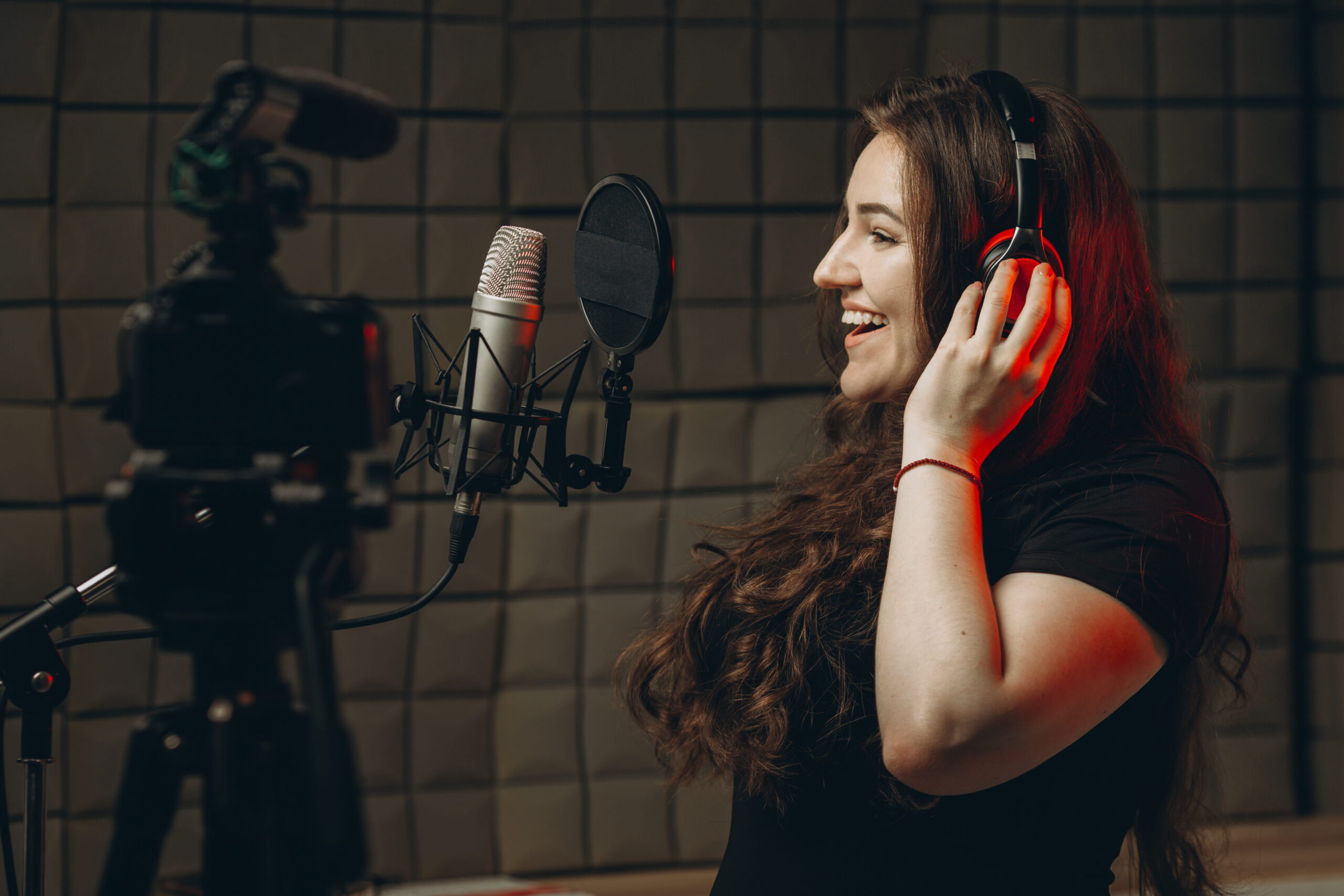
Another effective exercise is to find current YouTube advertisements and imagine how you would approach the read if you were the selected talent.
Record the right commercial voice over samples
An effective commercial sample should showcase your range without trying to be everything to everyone.
Aim for approximately 60 seconds, featuring several short spots that demonstrate different styles and emotions. Show that you can move naturally between conversational, upbeat, emotional, confident, humorous, sincere, and promotional reads.
Clients expect clean audio, professional editing, seamless transitions, and broadcast-quality sound.
If your goal is premium commercial work, every second of your sample should reinforce that message.
How to prepare for commercial voice over auditions
Auditioning is part of every successful voice acting career.
Even experienced commercial voice over actors audition far more often than they book jobs.
Instead of viewing auditions as failures or successes, think of them as opportunities to practice your skills while getting your voice in front of new clients.
Before recording, read the casting brief carefully.
- What is the brand trying to communicate?
- Who is the target audience?
- How should the listener feel after hearing the commercial?
Once you understand the intention behind the copy, avoid overthinking your performance.
Try one version exactly as you first imagined it, then record another with less energy, more emotion, or with different pacing.
Sometimes the unexpected read becomes the winning audition.
Where to find commercial voice over jobs
Online marketplaces like Voice123 connect voice actors with clients seeking professional talent for television, radio, digital advertising, social media, podcasts, and corporate campaigns.
Many voice actors also build relationships with production companies, advertising agencies, creative studios, video producers, and independent businesses.
Clients who enjoy working with you often become repeat customers, and repeat customers frequently recommend reliable talent to colleagues.
Conclusion
A successful career in commercial voice over isn’t built overnight.
It comes from consistent practice, thoughtful training, professional demos, and a willingness to keep learning with every audition.
When you’re ready to put your skills into practice, Voice123 gives you access to clients searching for experienced commercial voice over artists, helping you audition for projects, build lasting relationships, and grow your voice acting career.
Join Voice123 today to take the next step in your voice over career!
FAQ's
Commercial voice over is a type of voice over that’s used to advertise products, services, brands, or ideas. It includes television commercials, radio ads, social media campaigns, YouTube videos, streaming platforms, podcast advertisements, and other forms of marketing.
Becoming a commercial voice actor starts with developing strong acting skills, practicing regularly, recording professional samples, building a quality home studio, and auditioning on platforms like Voice123 to gain experience and connect with clients.
Income varies depending on experience, usage rights, union status, and the size of each campaign. Some beginners earn a few hundred dollars per project, while experienced commercial voice over artists working on national campaigns can earn thousands of dollars from a single booking.
Commercial voice overs persuade listeners to take action, while narration focuses on informing, educating, or guiding an audience. Commercial reads are typically shorter, more emotionally driven, and designed to promote a brand or product.
You can find commercial voice over jobs through online casting platforms like Voice123, talent agencies, production companies, advertising agencies, video production studios, and by networking directly with businesses that regularly produce marketing content.

How to get into voice acting
Welcome to the Voice over Guide, where we’ll offer educational resources
on how to get into voice acting and establish your voice over business, for free.