What is a social media influencer
What is a social media influencer?
A social media influencer is similar to a brand promoter. Through their content, social media influencers build rapport with their following, which makes them credible enough to then guide their followers’ purchases. A social media influencer also helps to highlight a brand’s message to a specific target audience.
With 58% of the world’s population now using social media, influencers have become a pivotal aspect of marketing. At the core of influencer marketing is simply talking about or sharing your interests as a person. As a result, followers with shared interests are likelier to listen when influencers promote brands or products. Social media influencers could promote fashion, food, movies, makeup, or anything in between. They could even be celebrities like the Portuguese soccer player Cristiano Ronaldo. As the most-followed person on Instagram, his 455 million followers have a vested interest in his life. In a nutshell, social media influencers generally retain a loyal following that trusts their endorsements.
What a social media influencer does
Have you ever bought something online based on a review? Most people have. That’s because reviews and recommendations stem from trust. In fact, almost 78% of people trust online reviews. Although social media influencers are not typically word-of-mouth marketers, their reviews and endorsements through their content carry weight with their followers. This also means they have to create and share enjoyable content. As well as endeavor to expand their community.
Content is also a large pool of references for an influencer. This could be anything from tutorials and how-tos to silent comedy mimes for entertainment. Khaby Lame is a social media influencer who creates TikTok videos of overcomplicated tasks with a straightforward approach. His content, composed mainly of silent mockery, recently earned him the title of most-followed TikToker and a multi-year deal with fashion giant Hugo Boss.

Social media content has to be top-quality and unique. It also has to stay relevant because users can easily swipe left or click unfollow if they lose interest. Having a focal point is also a must because if the content is random and sporadic, it’s much harder to build a sphere of influence. That’s why influencer marketing is based on focused content. This helps to engender trust and cement a connection to a specific target audience.
Four types of Social Media Influencers
A social media influencer is ranked by follower count, from entry-level to top-level users. Combine this with the number of posts, and you can determine an influencer’s engagement rate. In particular, this measures how much interaction an influencer has with their audience. The Engagement rate calculator from GRIN is a useful tool for brands to analyze the engagement level between an influencer and their followers. A solid engagement rate ranges between 1% and 5%.
Here are a few examples:
1. Nano Influencers' followers:
1000-10 000
Nano’s can have up to 7x the engagement of more prominent influencers even with a smaller audience because their audience is incredibly niche. They’re also a solid collaboration option for brands with a small business budget. Kara, a Seattle travel blogger and content creator, is an excellent example of a nano influencer. With 9400 followers and 740 posts, her engagement rate of 3.50% highlights her active involvement with followers.
2. Micro-Influencers' followers:
10 000-100 000
Micros’ have a more substantial engagement rate than influencers with a larger and more generic audience, leading to higher product purchases from followers. Ada Oguntodu is a fashion and style Micro influencer. She also organizes fundraisers to benefit charities like the Fashion Revolution Foundation. With a following of 64 900 and 3100 posts, her engagement rate is a steady 1.11%.
3. Macro Influencers' followers:
100 000-1 000 000
Macro Influencers fall into the category of minor celebrities such as well-known YouTubers or Bloggers. Although they work primarily with brands with a larger budget, they successfully increase brand awareness because of their recognizable names. Dennis Prescott, a Macro celebrity chef, is also a cookbook author and the host of Netflix’s show, Restaurants On The Edge. With a following of 615 000 and 3608 posts, his engagement rate is a fluid 1.01%.
4. Mega Influencers' followers:
1 000 000+
Mega’s have the most significant number of followers and mostly celebrities or well-known society names. Their brand endorsements usually have a massive budget. Shannon Harris is a beauty influencer from New Zealand, known for makeup and beauty tip tutorials. With a following of 1 300 000 and 6400 posts Shannon has a high engagement rate of 1.96%.
Why companies use social media influencers
A social media influencer knows what their audience wants, so it’s easier for companies to work with them to create content that solidifies their brand’s presence and reputation. In addition, once an influencer’s campaign goes viral, there’s the added benefit of attracting a different audience base, helping them to stand out from the crowd of competitors.
Companies use influencers because they:
- Have a large audience
- Increase online traffic
- Grow brand following
- Build trust in a brand
- Generate leads and sales
How do companies use social media influencers?
For instance, video-game influencer Ninja collaborated with Adidas to create the signature jogger, an exclusive sneaker that sold out within 40 minutes of going live.
Brands may even give social media influencers free rein with their products. For example, snack brand Takis teamed up with famous TikTok influencer Charli D’Amelio who uses her dance and lip-sync videos to endorse their product. Many of her Takis posts, including a movie night and life, is Fuego, have already received millions of likes.
Ultimately, influencer marketing is effective because influencers have a natural flow with their audience. Using content that resonates with the audience can also weave in aspects of their brand endorsement. Similar to learning how to get into voice acting, learning how to be an influencer takes time, research, and investment. Subsequently, companies worldwide are now focused on harnessing social media influencers’ power in marketing.
FAQ's
Find your niche and post regular, useful content to increase your engagement rate. Once your followers start growing, you can reach out to brands or other influencers to collaborate.
Yes, but to gain the attention of more prominent brands, you need to invest time and effort to increase your followers, engagement rate, and trustworthiness.
The most successful influencers keep their content authentic and entertaining. They also learn skills, research, and stay up-to-date with the latest trends.
"Most of my inspiration comes from my everyday life. I surf the net, TikTok and other social platforms for ideas. But it's not easy at all. Every day, I spend at least 3 hours looking for the right video to parody. I always try to be careful to not offend anyone with my videos, and I always prefer to joke with light-hearted parody. I think the reason that I am silent speaks louder - it is accessible to more people than if I would make my videos in English. I speak a universal language that everyone understands."

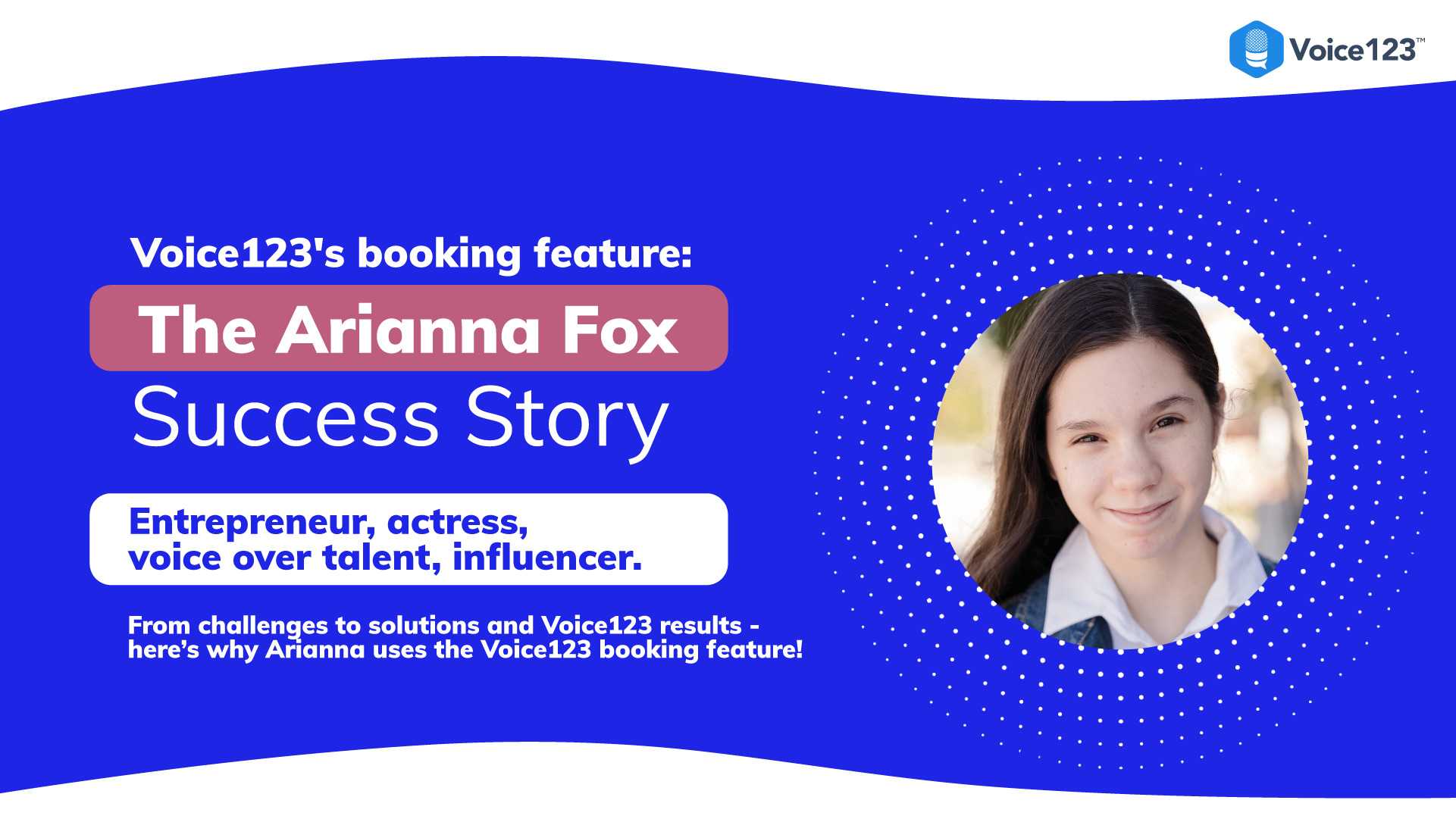
Voice123's booking feature: The Arianna Fox success story!
- Quickly communicate with clients.
- Keep everything in one place.
- Not worry if she won’t get paid.
- Keep track of all projects.
- Avoid emails that flood her inbox.
- Save time with easy navigation.
- Help to alleviate work processes.
Challenges Arianna wants to avoid
Constantly following up on the payment
Waiting for clients to complete payment
Proactively staying on top of things
Keep reaching out for information or updates
- The Voice123 booking feature's step-by-step processes keep things organized.
- It's user-friendly and simple to use.
- Options for single audio or space to insert a link to multiple audio files.
- No need to reach out to clients for more info.
- Clients can send anything they want via the thread.
- She gets paid on time and securely via Voice123's Secure Payment system.
- Saves time because things are easier to manage.
- Uses the message summary email to keep track of individual bookings.
- Communicates with clients in one thread.
- Stays up to date with multiple simultaneous bookings.
- Can easily follow the status of the booking with automatic updates.
"I love the idea of paying through Voice123. It's very secure because you know that it's going to be a paid thing, not like, okay - let me send over my audio files and then never get paid."

How does the booking feature work in real life?
Arianna shares some outstanding expereinces!
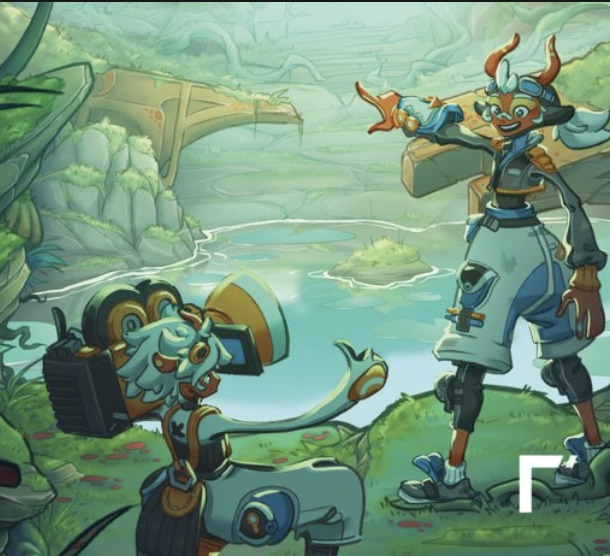
“One of the most amazing projects was a French video game called ‘Live adventure.” It wasn’t paid but these students presented this at a festival and it was so awesome because they got me and another great voice actress to play the only two characters who were actually siblings. It was so fun to do their dialogue and work with somebody else. Most of the time, it’s just me! The client was super lenient and helpful – it was a great experience that started from Voice123.”
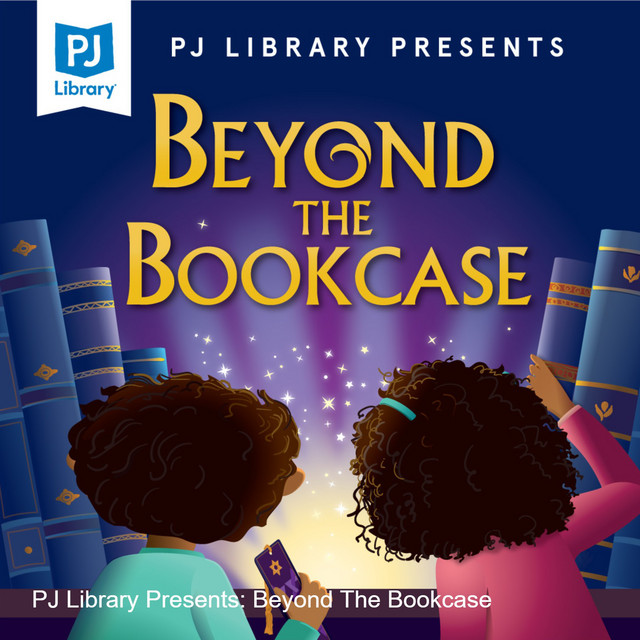
“PJ Library has an audio podcast called ‘Be on the bookcase.’ And I’m half Jewish myself so it was really fun to be involved with this because it’s about fairy tales that we know and love and then adding a Jewish twist with some morals. It was the wittiest dialogue I’ve ever seen. It made me laugh so hard when I was reading the script and was so much fun to do. I think they might be starting on season two, so it’s an ongoing project and one of the most fun things I’ve ever done!”
Ready to save time and get paid securely?
Join thousands of voice actors using Voice123's free booking feature!
What is voice over and voice acting
What is voice over and voice acting?
Let’s start with ‘What is voice over?’ This is something of a broad, collective term. In the UK and Europe especially, it’s often used both to describe the profession (“I’m a voice over”) and what voice actors produce (“I record a voice over”). It has also come to encapsulate the industry as a whole (the “voice over industry”). Within the context of the industry, you’ll frequently come across references to voice over work, voice over tips, voice over guidelines, and voice over narration.
Originally, the term was devised to describe what a voice over provided: a recorded voice track accompanying visual imagery to offer either description or commentary, or simply descriptive commentary if there was no visual imagery – like during a radio broadcast. Today, of course, voice overs are commonly used in movie trailers, documentaries, e-learning material, as well as in advertising and marketing – with or without visual imagery.
Two examples of viral voice overs:
- Coca Cola Commercials – Swedish DJ Avicii and Australian singer Conrad Sewell wrote and produced the original song, ‘Taste the feeling.’ The video received 40,815,616 views and soundtracked Coca-Cola’s 2016 UEFA Euro and Rio de Janeiro Summer Olympics ad campaigns.
- Documentary voice overs – Sir David Attenborough’s documentary narrations brought nature to life, inspiring millions to become more environmentally conscious.
Is voice over and voice acting the same thing?
Despite contextual similarities as noted above, in reality, there are differences. So – for the sake of clarity – they shouldn’t be used interchangeably. Voice over actors are sometimes referred to as off-screen announcers and narrators. Their focus is on narrating or giving a voice over to the content provided. Some examples of this kind of voice over are:
- Audiobooks: voice actors read and record the complete book for distribution.
- Movie trailers: voice actors record a brief movie premise as a teaser to generate hype around the movie.
Voice acting on the other hand focuses more on characters. The kind that may appear in movies, video games, or TV shows. Some examples of this kind of voice acting are:
- Movies: Gollum’s famous performance from The Lord of the rings, and the gravelly grit from Optimus Prime in the Transformers franchise.
- Video games: The long-running spunky characters from Uncharted and Halo.
- TV Shows: The humorous personalities from The Simpsons and Central Park.
What does a voice over actor do?
While voice over actors and voice actors are also used interchangeably, again the slight difference is that voice over actors record voice overs as opposed to voice acting. Often, this means voice over actors narrate stories that take viewers on an emotional journey. The most effective voice overs are easy to follow and relate to and passionate in the delivery. This means more is involved than simply describing different on-screen clips. (Consider Sir David Attenborough’s tactful narration of nature documentaries).
In addition, these voices often become synonymous with the brand they voice. Another example of this is the famous actor John Krasinski and Esurance. The brand wanted to set its insurance apart from competitors with vocal humor that appealed to everyday people. So, for almost a decade Krasinski’s distinct, vocal witty charm has been the defining feature of their voice overs.
Voice acting
Voice acting involves more than just reading or narrating scripted lines. It involves ‘acting’ skills and abilities to become scripted characters. It also includes creating and/or recording specific sound effects for a given character. For instance, Mel Blanc, the man of a thousand voices voiced some of his characters and their iconic sounds for almost 50 years. For instance:
- Bugs Bunny and his iconic catchphrase, “Ehhh, What’s up Doc?” while munching on a carrot.
- Woody Woodpecker’s song, “Everybody thinks I’m crazy. Yesiree, that’s me, that’s me” in between his pecking sounds
- Tasmanian Devil’s notorious snorts, growls, and grunts mixed in with a few slobbering sounds.
What is dubbing?
Dubbing is more related to voice acting than voice overs as it involves more than narration. In dubbing, the original dialog is completely replaced with translated dialogue. Netflix’s hit show, Squid Game is one example of what makes a dubbed show popular. Much technical work and synchronization are involved to match the exact lip movements of the dub to the on-screen actors. Voice actors use their voice acting skills to portray the depth and emotion of the character in the respective language that the original content is dubbed into.
What are voice acting casting calls?
Voice acting casting calls are similar to regular casting calls that ask for auditions according to certain requirements. Voice actors then submit sample audio reels or read custom scripts to audition for each casting call. Then, companies review the auditions or pass them along to external casting or directing agencies to find the appropriate voice actor. Usually, the aim is not to find the best voice actor, but to find the voice actor that best fits the production. In addition, from a production point of view, the voice over artist should capture all of the nuances of a story that make it unique. So be sure to read the directions carefully before submitting your audition!
How can you grow your career?
The voice over industry is very competitive. That’s why, most voice over artists don’t rely on a single channel of income. Agents, websites, online profiles – these are all options to seek out voice over work. If you’re just starting out, why not begin with a free online profile before working your way up, or look out for special discounts offered to first-time members. This is a great way to get experience, gain exposure and start building a client base.
FAQ's
Voice overs are narrated audio recordings that deliver a message. It works with the on-screen video content to capture the audience’s attention.
No. With a combination of acting skills, a versatile voice, and plenty of patience you can set yourself up for a satisfying career.
Learn more from our Ask the pros Section with professional voice actor Heidi Rew in the article: How to do a voice over.
“I’ve been doing this sort of thing for so long, but I still don’t know that I’ve got it. I just try to do my best. You start with the sound and make sure that it sounds like the original. And then, from there, you fill in the blanks with the acting. You have to stay true to the character.”

What is a pop filter
What is a pop filter?
Pop filter, windscreen, pop shield, or pop screen—whatever you call it, this simple microphone filter is a game-changer for clean, professional audio. But what is a pop filter, what does it do, and why is it essential for voice acting? Whether you’re just starting out or upgrading your studio, this guide explains everything you need to know about the different types of pop filters and how to choose the right one.
What is a pop filter?
A pop filter is a circular mesh or nylon screen placed between your microphone and your mouth. Its job is to reduce unwanted “popping” sounds caused by plosive consonants like P and B. When you say these sounds, bursts of air hit the microphone’s diaphragm, creating harsh noises.
By diffusing this airflow, the pop screen acts as a barrier that keeps your recordings clean and professional. For voice actors, understanding what is a pop filter is key to producing crisp audio that clients will actually want to use.
What does a pop filter do?
So, what does a pop filter do beyond reducing plosives?
-
It disperses airflow without affecting sound waves.
-
It balances audio by minimizing low-frequency spikes.
-
It improves vocal clarity, helping you sound smooth and consistent.
For voice actors, this means fewer retakes, cleaner auditions, and recordings that sound studio-ready.
A pop filter contributes to overall audio balance by minimizing low-frequency spikes to maintain consistent airflow, helping you improve your audio. So, understanding what does a pop filter do enables you to prepare the best possible acoustic environment for your recordings.
What are the different types of pop filters?
There are several types of pop filters, and the best choice depends on your setup. Different types of pop filters are available in multiple shapes, sizes, and materials. A microphone filter can be circular or semicircular, angled over the grille, while others have a wraparound rectangular style for complete coverage. A microphone filter is also available in three different pop screen material options.

1. Foam Windscreens: These fit directly over the microphone. They’re lightweight, affordable, and great for outdoor or portable recording. However, they don’t filter plosives as effectively as other options.
2. Nylon Mesh Pop Screens: The most common option in home studios, these microphone filters attach in front of your mic. They’re inexpensive, easy to use, and perfect for everyday voice-over work.
3. Metal Mesh Filters: Professional-grade pop filters made of metal allow a wider frequency range to pass through. They’re durable and ideal for high-fidelity recordings like audiobooks, commercials, or narration.
How to choose the right pop filter
When selecting the best types of pop filters for your needs, consider the following:
- Filter Type: Decide between foam, nylon, or metal mesh based on your recording environment and audio needs.
- Mic Compatibility: Ensure the pop filter fits your microphone type—condenser, dynamic, or lavalier.
- Adjustability: Look for a microphone filter with flexible goosenecks or adjustable arms for easy positioning.
- Material Quality: Higher-quality materials often offer better sound diffusion and last longer.
- Filter Density: Multiple layers of mesh or foam can improve plosive reduction without muffling your voice.
- User Reviews: Insights from other voice actors on the best types of pop filters can guide your decision.
- Extra Features: Consider options like microphone filters with detachable screens, anti-vibration mounts, or compatibility with shock mounts.
Top Recommended Brands:
- Auray PFSS-55: Reliable and durable with minimal sound coloration.
- Nady MPF-6: Offers excellent value with a dual-layer mesh design.
- On-Stage ASFSS6-GB: Great adjustability and robust performance.
- Avantone PS-1 Pro Shield: Premium quality and excellent plosive control.
- Shure PS-6 Popper Stopper: A classic choice known for reducing wind noise and pops.
Conclusion
If you’re recording podcasts, audiobooks, commercials, or auditions, understanding what is a pop filter is essential. It ensures your audio stays professional, free of plosives, and easy for clients to work with. For voice actors, a microphone filter isn’t optional—it’s part of the standard toolkit. Whether you’re recording a podcast, audiobook, or commercial, a pop screen helps eliminate distracting noises and keeps your voice clear and professional. From podcasting to commercials, radio ads, or audiobooks, a pop filter microphone is a must-have tool for refining audio quality so your voice sounds crisp and clear in every recording.
FAQ's
A pop filter reduces plosive sounds—like the strong bursts of air from P and B consonants—that can distort recordings. It disperses airflow before it hits the microphone, ensuring cleaner, smoother audio.
Yes, pop filters are highly effective at reducing plosives and improving audio clarity. While they don’t eliminate all unwanted noises (like room echo or breathing), they’re essential for professional-sounding voice recordings
While a pop filter won’t fully eliminate inhales and exhales, it can soften the impact of breath bursts that hit the mic. To reduce breathing noise further, adjust mic technique, practice breath control, or edit out breaths in post-production.
Yes. A common DIY pop filter uses a piece of foam or mesh that’s attached to a stand. While DIY options can work in a pinch, investing in a proper pop screen is better long-term for durability and consistent quality.
"Nothing beats a good pop-filter and no voice actor should record without one! The mesh can prevent plosives from reaching the mic capsule by effectively dispersing your breath. Pros recommend double-layered pop filters since they work better than single-mesh or a punched-metal one."

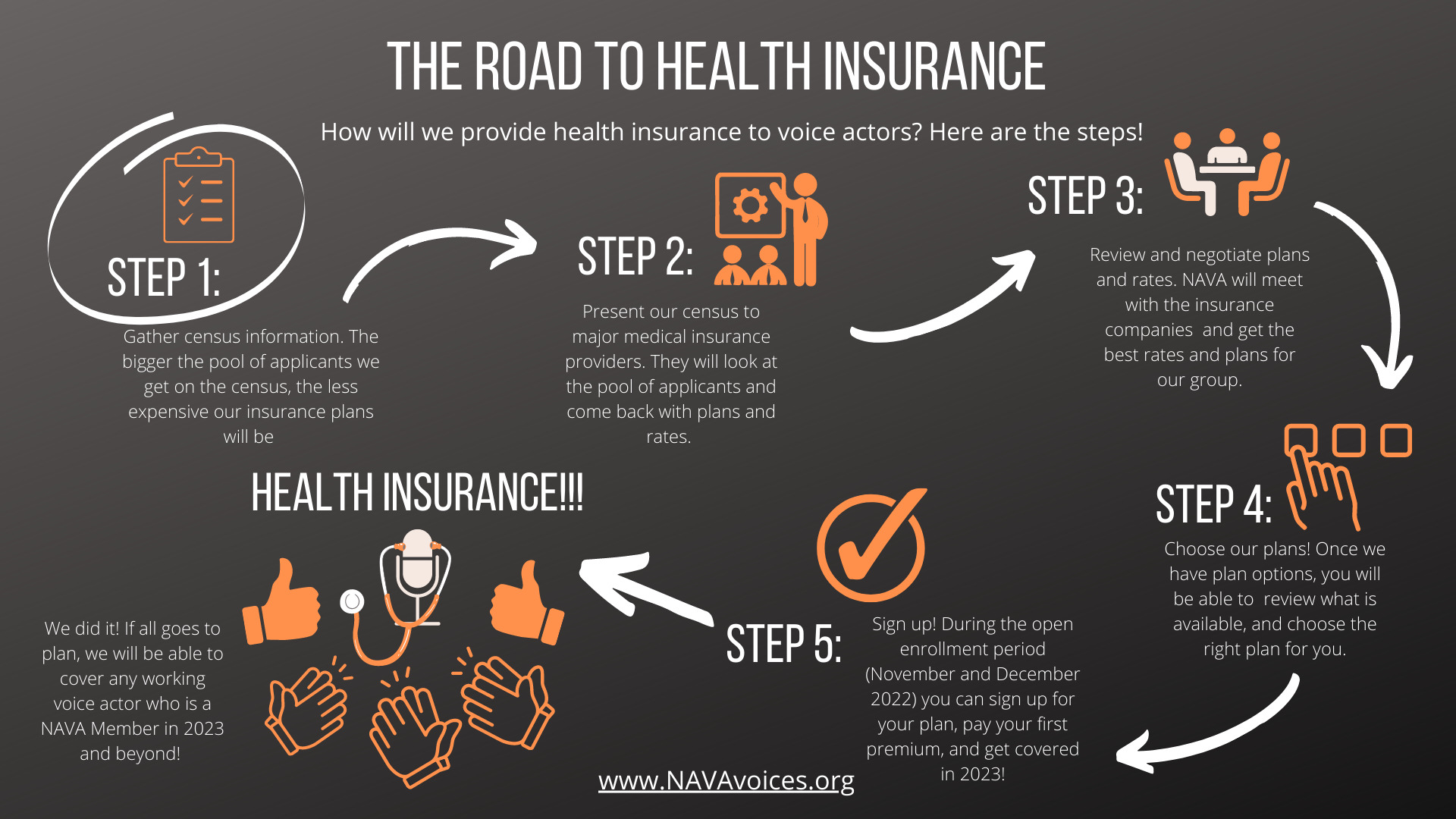
Health insurance for voice actors: help make it happen!
Health insurance for voice actors
Founded by professional voice actors Tim Friedlander and Carin Gilfry, NAVA (National Association Of Voice Actors) is working to bring health insurance, among other services, to voice actors in the United States of America. Here’s why that really matters and how you can get health care for voice actors – created by voice actors.
Early beginnings
Starting an association that also provides health care is no small feat, and it didn’t happen overnight. Four years ago, Tim and Carin combined their knowledge, skills, resources, and determination to expand the scope of their voice over outreach initiatives.
In fact, during the Covid-19 pandemic, they worked together to combine financial aid assistance to freelancers in need. Almost $40,000 was raised as an emergency fund for those who needed help buying groceries, paying their electric bill, or seeing to other life necessities.

"It's been about a year and a half of exploring what we can offer as an association, what we can provide to the larger community, and into this whole journey of exploring healthcare options for voice actors."
Thus NAVA was born – a non-profit association with the goal of helping voice actors. Part of that mission became to potentially provide affordable health insurance!
The need for health insurance
In the U.S – like in most countries – health insurance is extremely expensive but a crucial lifeline during times of illness, trauma, and emergency.
While some people can access health insurance via certain jobs, or by meeting specific requirements when belonging to a voice actor union, it’s still a struggle for all voice actors to be able to afford reliable health insurance.
“I was basically paying $24,000 a year just toward health insurance for me and my daughter,” Carin recalls. “So I know what that struggle is. Recently I had to go to the ER, and for a simple two-hour stay, I got a bill for $9,645! If I didn’t have health insurance, I would be responsible for that entire bill. And this is the thing that keeps freelancers from doing voiceover to their fullest potential because they feel like they need to stay in a job that they hate so that they can get health insurance benefits for themselves and their families.
Subsequently, Tim and Carin, both passionate and determined to mediate health care offerings for all union and non-union voice actors, also explain that the goal for their association is to “work alongside others in the industry so that NAVA can help to facilitate health insurance that is affordable enough for a regular freelance voice actor. That way, people can really get into voiceover and not have to worry about themselves and their families getting into horrible medical situations.”
Overcoming challenges
Naturally, it hasn’t been smooth sailing to get to the point where they can finally run a census and start talking numbers and figures. It actually took years of research, communication, and gathering information.
Tim remembers dealing with this off and on for the last ten to fifteen years. “I was an independent music teacher for years and didn’t have health insurance. So, I’ve been trying to gather information on the actual, correct, legal information and what is available to us. I’ve also been speaking with people in the same industry, brokers, health insurance providers, and dealing with conflicting information.”

"We want to work alongside others in the industry to help facilitate healthcare that is affordable enough for freelance voice actors."
Tim noted the challenges of communicating with their board members, peers, and friends because information changes daily, sometimes hourly. Carin also highlighted the challenge of the intricate bureaucracy involved and how difficult it is to find trustworthy, legitimate information. “We’re now at the point where we are finally getting some traction and direction as to how we’re going to do this,” she adds.
How to do a voice over
How to do a voice over
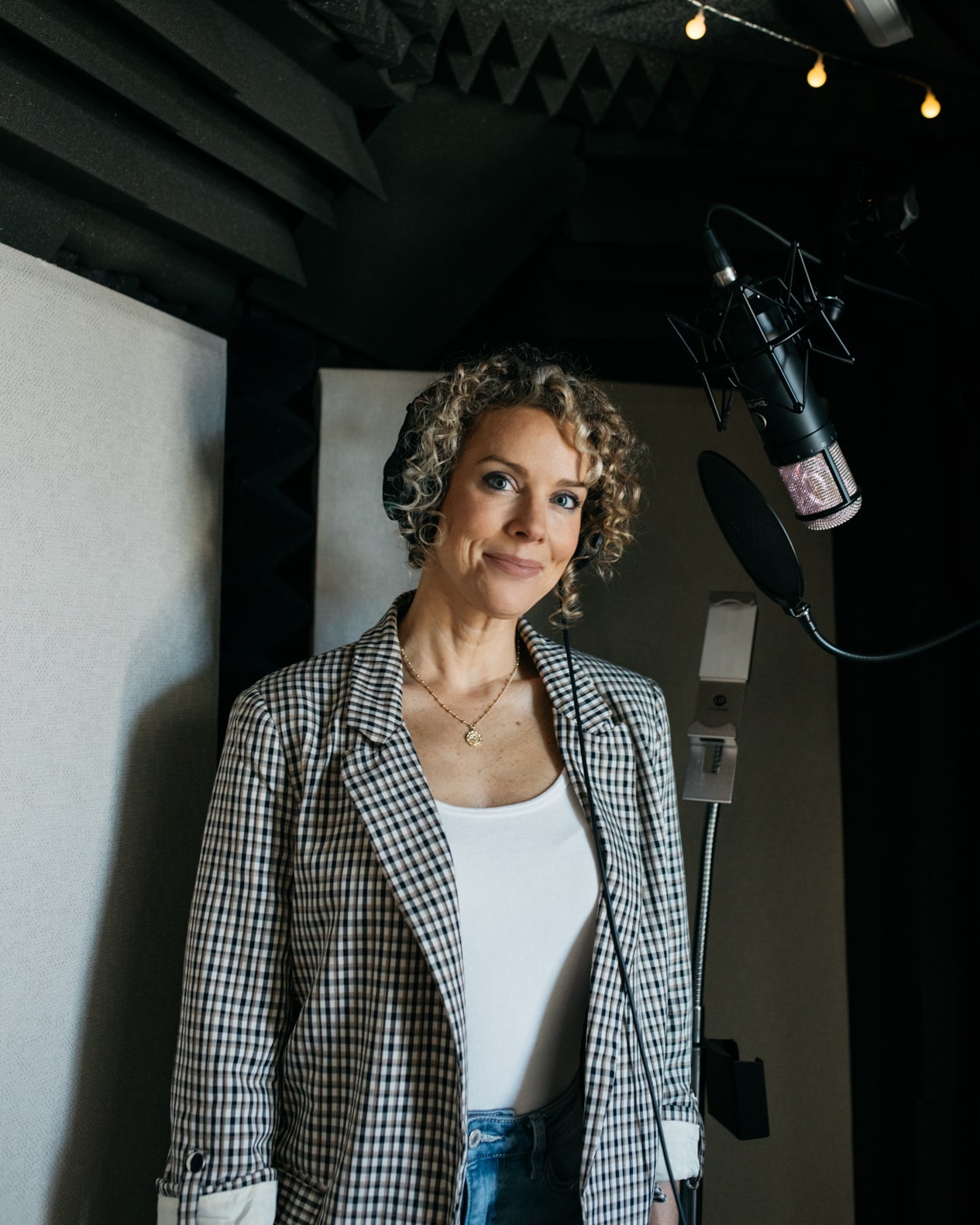
Ask the pros with Heidi Rew! Heidi shares advice on how to do a voice over, what you need to have prepared, and a step-by-step guide with practical tips.
Heidi, can you start us off by explaining what's involved in learning how to do a voice over?
Firstly, you need to know what you’re saying and why you’re saying it.
The trap with learning how to do voice overs is that you have the script in front of you. So, it’s easy to get lost in how you’re saying things versus why you’re saying them.
When my husband, Mike Stoudt, and I opened Atlanta Voiceover Studio that was one of the greatest observations when hearing people audition. Oftentimes, I’d ask a voice actor, ‘Can you tell me what you’re saying in your own words?’ But they wouldn’t have a clue, or they’d just repeat the words on the page.
Saying something in your own words can really help you figure out what you’re saying. For example, you could read a voice over script a couple of times, then turn it over and share it with a friend. It doesn’t have to be a “live in living color” friend. Just imagine a friend standing in front of you and describe the script in your own words.
Awesome tips - and what do you need to have before do a voice over?
Besides a good home studio set-up, here’s what I make sure to have & do before I do a voice over:
- A water bottle with room-temperate water: This is the best way to combat mouth noise for me. Some people say green apples help, but that doesn’t really work for me and it’s not realistic to be downing green apples every single day. Although, I guess that would keep the doctor away!
- My phone or watch: I can get easily distracted by my phone, which I’m sure others can relate to. So, I try to keep it out of my sound booth. That’s what pushed me to get a Smart Watch. I wanted to be able to see if my agent was calling or texting without having to have my phone with me. The other reason I need a phone or watch is to time the voice over scripts. If the client has specified a time for the spot, I want to time myself doing the script for an idea of pacing.
Other than those two things, I make sure my microphone is set and everything is ready to record. For a booked job, I make sure to have the script pulled up and ready to be marked up or edited, if needed. If it’s a directed session, I make sure to join the connection early to ensure there are no issues.
Very practical advice. Could you also share a step-by-step guide on how to do a voice over?
- Read through the voice over script: Then turn over the script or minimize it on your computer. How would you explain what the script says in your own words?
- Determine intention. What is the client/brand’s intention? What do they want the listener to learn, understand, and do? This gives you an even deeper glimpse into the why of what you’re saying.
- Who are you talking to? Connection is key in doing voice overs. Whether it’s someone watching an e-learning video or sitting through a commercial on YouTube, you want them to feel like you’re talking directly to them. How do you do that? By choosing someone you know – to talk to when communicating the script. This needs to be someone you have a close relationship with. Someone you can talk to about anything. Who can you immediately imagine standing in front of you? Who can you be yourself around?
- Look at the details. Did the client specify a specific tone? What is the type of spot (commercial, industrial, e-learning)? What is the allotted time? Use those as a guide but remember it’s only your journey.
- Find the layers. Are there parts of the script that call for more empathy, humor, a wink, a hint of sarcasm, emphasis, or teasing? This is what sets voice actors apart. Just make sure what you do still aligns with the overall intention of the script.
- Prepare 2 strong takes. As you progress in your voice over career, you’ll be able to do this faster and more confidently. You want two takes or recordings that not only show your range but the potential range of the project. For instance, if the script is for sparkling water and they ask for a friendly read, you may want to do one that is more commercial (that friendly, upbeat, bright read) and one that is more natural and real (still friendly).
- Record and Edit. Now that the prep work is done, record your reads and edit.
Super helpful, Heidi! What about tips on how to do voice overs online?
Here’s what I take into consideration when doing voice overs on online casting sites:
- Time: Am I able to get my audition in, in a timely manner?
- Quality: Not only is it a quality audition and client but does it align with my strengths and goals? While it’s really fun for me to try and do the Viola Davis or Cate Blanchet-type auditions (if that’s what the script calls for), that’s not me. I’m more of a Kristen Bell type of sound. So, my goal is to find projects that fit me & my voice as well as my voice over goals.

So being authentic is vital! If you could put the 5 most important tips in a nutshell, what would those be?
I’m going to answer this in regard to how to have a successful sustainable voice over career.
1. Think Like a Gardener. Especially at the beginning, your goal should be to plant as many seeds as possible and nurture those. What I mean by that is do the training, connect with potential clients and create a good business foundation. Like a gardener, you will have times when things sprout and times when things lay fallow, but you will ultimately reap a harvest if you do the work.
2. Diversify. When you start out, diversify the areas and genres of voiceover you pursue. It’s helpful to have various streams of income and skills.
3. Create Mental Support. Part of my story is that it took me four years to book my first job with my agent. Four years of consistent auditioning before seeing anything payoff. It’s been over a decade since that first booking and my career has grown every year since, but there still are ups and downs. That does a lot to your mind. One of the hardest parts of having a sustainable voiceover career is mental fortitude. Go to a great therapist, surround yourself with supportive friends, and create healthy habits. These things will have a huge impact on the success and length of your career.

4. Know Yourself. While diversifying is great, you also should constantly be discovering the things you can do really well. Learn more about your voice, your perspective, and your skill. In a sense, voice acting is a product, and you can’t sell a product you don’t know.
5. Watch what you want. What I mean by this is always watch and listen to things you want to book. It helps you to understand the trends, the content, and how your voice can fit.
Those are really amazing pointers! Any last personal tips?
At this point in my career, it’s much easier to go through the “checklist” of things to think about before I do a voice over. But one of the biggest challenges I still face is my own mind. I can get caught up in trying to sound more like someone else or get caught up in the technical stuff that I forget to connect. So overall, I try to stay curious, eager to learn, and humble, while also confident in what I have to give.
There’s this phrase I heard from Angela Duckworth – “Don’t Quit on a Bad Day.” So, if you’re having a great day and still want to quit, then that’s probably a sign you should move on. It’s helped me get through days when I feel discouraged and I hope it helps you!
Special thanks to Heidi Rew for sharing her experience and advice on how to do a voice over.
Check out Heidi's profile here! And listen to her most recent work:
Ready to start practicing how to do voice overs?
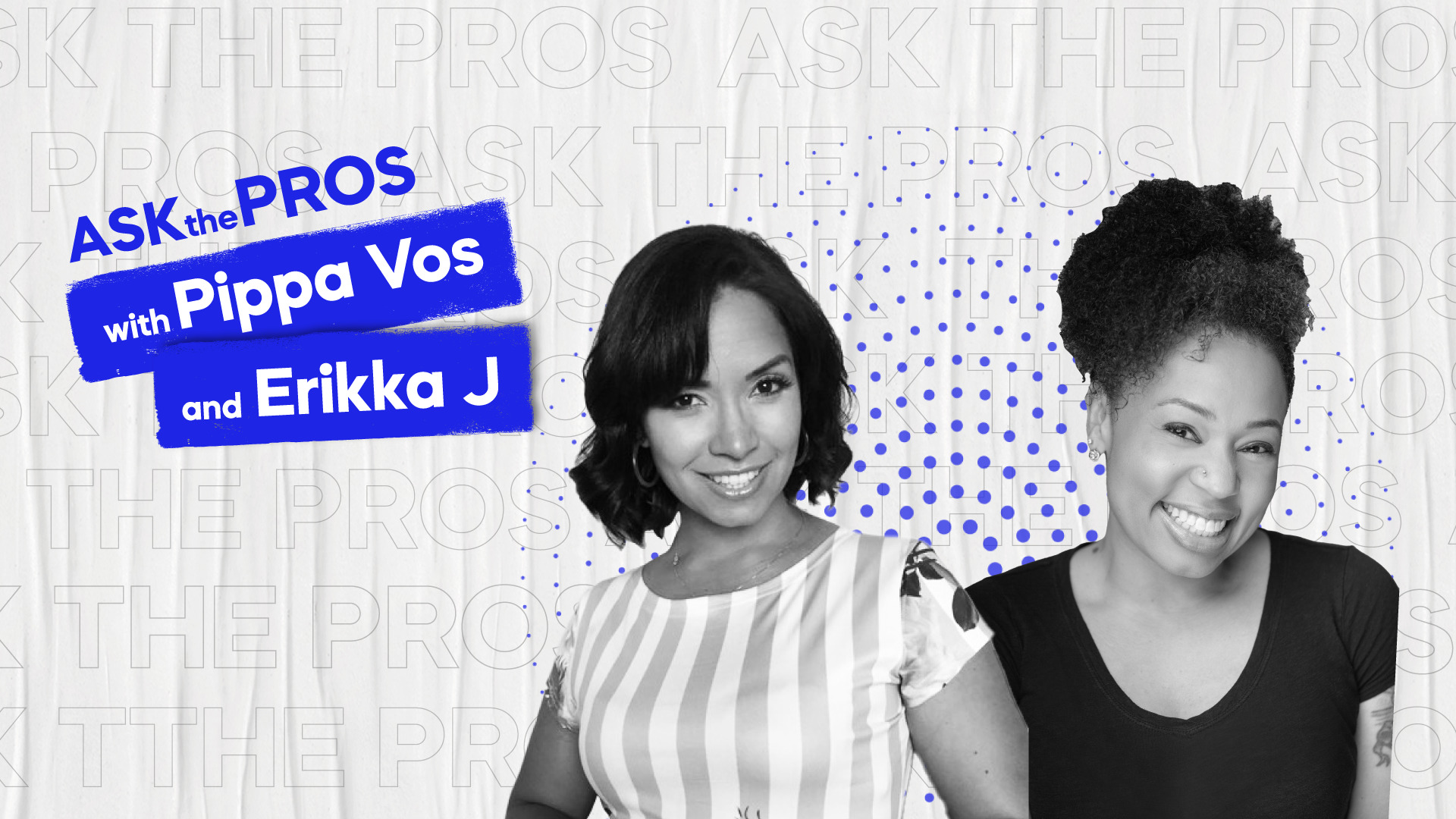
10 voice acting tips from successful voice over pros
10 Voice acting tips from successful voice over pros
Ask the pros – 10 voice acting tips from experienced voice actors, Pippa Vos and Erikka J. They’re sharing key insights and tips for voice acting which can boost your voice over career, whether you’re just starting out or looking to improve.
If you’re trying to learn how to become a voice actor, there’s much research and info on the voice over industry. But we thought you might like to learn from the pros themselves! Here’s 10 voice acting tips to get you started today!
Voice acting tips to help you start and succeed - Pippa Vos

1. Get Voice Over Training
Once you have learned how to use your voice, you will want to learn about the voice over industry as well as how to run a voice over business. My advice is to try Gravy for the Brain, which you pay a monthly membership for, so it is cost-effective.
2. Make professional voice over samples
This is vital to help you book voice over work. It’s equivalent to your resume. As your career progresses, keep samples of auditions that match clients’ requests. In the beginning, you don’t even need to add music to the audio; a straight voice over will do perfectly.
3. Get the right equipment and sound treatment
You want your audio to be able to compete with some of the best in the world. So, reach out to voice over professionals or get audio engineers to listen to the quality of your audio and create a special software rack based on your recording environment. Investing in software that helps with editing is also a lifesaver – like the one that removes clicks and mouth noises saves hours of work with just a click of a button.
4. Look for voice acting work everywhere and don't give up
Look for work everywhere and anywhere. If you are used to a 9-5 job then this business takes a little bit of getting used to. The first few years were stressful as I had no idea what I was doing. Most voice artists don’t like their own voice so it takes a while to get used to their voice. Besides that, most people don’t really know what a voice over artist is. So be prepared for everyone that is close to you, not to support you. But with a strong will and support from my husband who now works with me full time, I never gave up. Now, I only really have time to voice act.
5. Learn how to market and brand your business
Once you have made some money from freelancer sites, you will want to get a website to point your clients and leads to, with links to your work. Then I highly advise you to start calling production companies, animation, or any other type of business that requires audio around the world. If you are shy, start emailing first. It can be something short and sweet with a link to your site. I have emailed thousands of companies and called those who never got back to me.
Voice acting tips to help you start and succeed - Erikka J
6. Learn how to start and run a voice over business
Voice over work is super fun to do, However, if you want to build a long-term career, you must take the time to learn about voice over rates, usage of recordings, and how to run your business effectively.
7. Learn the tech side of things
At first, voice acting might seem like just talking into a microphone, until someone asks you about your signal chain, noise floor, and for a sample recording. So learning about and how to use the right voice over technology is a must.
8. Learn how to act
Again, voice actors don’t just talk into a microphone. they need to practice the art of acting. Take workshops, read books, and study other actors to learn how to make words and circumstances that aren’t real for you, sound like they are.
9. Watch and monitor market trends
As a voice actor, you work in the media industry. So you have to stay up to date with media trends in order to be successful. Watching TV and commercials is now part of your job description.
10. Remember to have fun
Your level of interest, engagement, and excitement in what you are reading will show up in your recording, so have fun with it. You’re way more likely to book the jobs where you actually enjoy reading the script!
FAQ's: Voice acting tips
- Get voice over training
- Make professional voice over samples
- Get the right equipment and sound treatment
- Look for voice acting work everywhere and don’t give up
- Market and brand your business
- Learn how to start and run a voice over business
- Know the tech side of things
- Learn how to act
- Watch and monitor market trends
- Remember to have fun
Spend time improving your voice overs, optimise your online presence, consider investing in coaching and professional equipment. Learn more in how to get better at voice acting.

How to start Funimation voice acting
What is Funimation voice acting
Since the early 90s, Funimation voice acting paved the way for Japanese anime to reach North America. Today, the company has steadily evolved into mainstream entertainment worldwide. In 2022, Funimation’s content was unified under the Crunchyroll brand. Consequently, the streaming anime giant is now one of the leading global distributors of dubbed anime content. With the ever-increasing licensing and distribution of dubbed shows such as Dragon Ball, One Piece, and Attack on Titan in English. However, a Funimation voice acting career involves aspects like vocal health maintenance and spontaneity. So, if anime is your calling as a voice actor, then a question you’re likely considering is: How can I start Funimation voice acting?
How to start a career in Funimation voice acting
The short answer lies in the “open auditions” policy posted on social media by Funimation. Per their website guidelines, you must first be over 18 and interested in voice acting for dubbing and anime to audition. While an open audition policy does not appeal to everyone, the system has proved successful for Funimation careers in the past. Laura Bailey, for example, auditioned for Funimation jobs at 18 and was hired to voice the young version of Trunks in Dragon Ball Z! Thus starting her Funimation career!
Funimation careers, like any voice over career, come with different challenges. Especially since the shows follow characters, who are more graphically defined and realistic than other forms of animation and involve the use of translated dialogue. As such, Funimation voice actors or any anime-type performers must have strong acting skills to match their voices to fictional yet vivid characters. Bearing in mind also that anime and Funimation voice acting is targeted work that involves varying voice inflections.
What does Funimation voice acting require
Cold reading is a fundamental ingredient for successful Funimation voice acting. This is when a voice actor performs a scene with very little preparation. Although the voice actor still reads from the script, natural spontaneity helps capture the character’s natural essence.
Voice actors looking for long-term Funimation careers work hard to be all-rounders in the acting industry. Essentially, each on-screen clip is different and may call on a voice actor to vocally entertain, mimic, narrate, and even inform the audience within a single scene. They must skillfully alter their tone, intonation, pitch, and pace to deliver the best possible on-screen performance from behind the scenes. Funimation voice actors must also match their vocal rendition to the exact mouth movements of the anime character – infusing vital aspects such as power, agony, vehemence, and other defined emotions.
The importance of maintaining vocal health
According to Japan Powered, anime characters often scream and speak in a high-pitch voice, which can be vocally taxing on a voice actor. That’s why caring for your voice is of utmost importance. The NIH recommends the following Dos and Don’ts for good vocal health.
Dos
- Drink water/warm tea, and keep your vocal cords hydrated.
- Give your voice time to rest between sessions.
- Exercise and stretch your throat and neck muscles.
- In colder weather, keep your neck warm with a scarf.
Don’ts
- Avoid caffeinated drinks like coffee. It dries out your larynx.
- Avoid smoking as it irritates your vocal cords.
- Refrain from yelling or whispering outside of performing.
- Avoid throat clearing. It has a grinding effect on your vocal cords.
What you need to know about Funimation careers
A Funimation career can be a long-term and feasible work option. However, before auditioning, it’s vital to know the strengths and weaknesses of your voice so you can enhance your abilities and avoid anything that could injure your voice. Like most things in life, the more you practice, the better you get. You’ll also find it helpful to put together a portfolio of voice over samples highlighting your best vocal projects. This will come in handy when you audition for Funimation jobs. In addition, having a proper studio setup is necessary, as when the pandemic hit – most Funimation voice actors recorded from home. In addition, anime voice overs are about more than just reading printed words. So you’ll find it helpful to learn about voice acting and look into the pros and cons of hiring a voice over coach.
What do Funimation voice actors earn
At present, Funimation voice actors earn non-union rates between $35-75. According to We got this covered, the payment for funimation voice acting is fixed. Nevertheless, the global anime market value is expected to reach a staggering $26.89 billion in 2022. The industry is clearly expanding and growth of this magnitude can potentially create more voice acting opportunities.
Famous Funimation voice actors
Best friends and past roommates Colleen Clinkenbeard and Laura Bailey are also two well-known Funimation voice actors. As an ADR director, line producer, and writer at Funimation, Clinkenbeard transitioned from stage to voice acting when Bailey brought her to Funimation for an audition. Some of her roles were Princess Snake and Zangya in Dragon Ball Z and various voices in Dragon Ball GT. However, her first lead role was Éclair in Kiddy Grade. By comparison, Laura Bailey made her anime debut when she was just 18 as Kid Trunks in Dragon Ball Z. As a teenager; Funimation voice actor Kent Williams first spotted her at a college play, where he invited her to audition for Funimation.
FAQ
Funimation Global Group, doing business as Crunchyroll specializes in the dubbing and distribution of East Asian media.
Funimation. (2022, December 2). In Wikipedia.
Funimation describes having open voice acting auditions about once a year and suggests keeping demos and resumes ready. You can follow their official social media accounts, and check out the Funimation website, and Funimation blog which direct you to more information about their services and auditions.
“It sounds kind of clinical, but take one line and read it 10 different ways. Emphasize different words, do it with a giant smile, get intimate with the mic, go big energy, etc. If you don’t try it, you won’t know what’s in your wheelhouse.”

How much do voice actors make
How much do voice actors make? That’s a common question in the voice over industry because having a good understanding of the voice over rates and salary for different projects is crucial to a career in voice overs.
So, we’ve put together a guide detailing how much does voice acting pay, the highest-paid voice actors, and info on voice over rates to give you a comprehensive look at what you can expect to earn as a voice actor.
How much do voice actors make
Voice actors can make anything from a few hundred to a few hundred thousand dollars. A voice acting salary is calculated per project on a standalone basis, and it’s influenced by various industry aspects. Here’s a quick breakdown of some of those factors.
- Experience: New voice actors may earn less since they usually start with smaller VO jobs for beginners, while experienced pros can ask for higher voice over rates due to their reputation and expertise.
- Speaking speed: According to the GVAA, the average speaking speed for voice actors is 150 words per minute. If the project requires a slower pace, the word count and voice actor salary will decrease, and vice versa.
- Script length: As a general rule, how do voice actors get paid is calculated on a ratio between the word count and the script length. The longer the script, the higher the salary.
- Union membership: Union voice actors, like those in SAG-AFTRA, often receive higher-paying jobs with rates that factor in residuals and royalties. According to this voice over report, non-union voice actors are paid less, but they have better flexibility with their jobs.
- Special skills: Character voices for animations or video games offer high-paying voice actor salaries for long-running series or franchises.
- Broadcast vs. non-broadcast: Broadcast projects like commercials pay according to market distribution and screen time. So projects for local spots will have a lower voice acting salary compared to projects with a national viewing.
How much do voice actors get paid for different projects?
How much do voice actors make for commercials?
Voice over rates for commercials range from $400 to $5000, depending on the market size and usage duration. National TV commercials also often pay more than local or regional spots.
How much do voice actors get paid for audiobooks?
Audiobook narrators typically earn between $200 and $300 per hour, and experienced narrators who work with major publishers may receive higher voice over rates. So, depending on the audiobook length, voice actors could earn between $2000 and $5000 per audiobook.
How much does a voice actor make for video games?
Video game voice actors can earn $200 to $350 per hour. A video game voice acting salary depends on the game’s budget, the character’s prominence, and the recording session’s length.
How much do voice actors make for e-learning?
E-learning voice-over rates typically range from $100 to $300 per finished hour. The script length and technical complexity can also affect the overall pay. If the module is complex and requires a slower speaking pace, it will reduce the script length and the voice actor salary.
How much do voice actors make in film and animation?
Voice actors in film and animation can earn from $500 to $2,000 per session. Prominent roles in high-budget productions like Netflix voice over jobs usually involve higher salaries.
How much do voice actors get paid for narration?
The voice over rate for narration is $500 to $1,500 per hour. These rates also vary depending on the type of project, such as a documentary narration, the scope, the budget, and the voice actor’s experience.
What is the average voice actor salary?
The average voice actor salary in the United States, according to ZipRecruiter, is:
- $38.82 per hour
- $1,552 per week
- $6,728 per month
- $80,736 per year
Subsequently, conducting research on the various pricing components in the voice acting industry can help you gain a deeper understanding of the different voice over categories and rates. To optimize your efforts, focus on the specific categories pertaining to your area of expertise. Additionally, you can consult a relevant rate guide like the GVAA to understand the inner workings of a voice actor salary. This helps you become more familiar with industry-standard rates, which assist in formulating a reasonable expectation of a voice actor’s salary.
How much do voice actors make in the United States?
Voice actors in the United States make, according to ZipRecruiter estimates, the following annual figures for voice actors:
- $80,736 is the average voice actor salary an experienced artist earns annually.
- $13,500 is the lowest amount paid annually to a voice actor.
- $206,000 is the highest amount paid annually to a voice actor.
- $30,000 to $106,000 is the average voice acting salary annual range in the United States.
- 76,000 is the amount the average voice actor pay varies by.
Who are the highest-paid voice actors?
- Matt Stone: Worth $1.2 billion as the highest-paid voice actor for his role as a voice actor and co-creator of South Park.
- Trey Parker: Worth $1.2 billion as the voice actor and co-creator of South Park.
- Seth MacFarlane: Worth $300 million, known for animated projects like The Family Guy.
- Hank Azaria: Worth $90 million for his role in The Simpsons.
- Nancy Cartwright: Worth $80 million, known for The Simpsons.
Check out this post for a full breakdown of the highest-paid voice actors.
Conclusion
How much do voice actors make depends on various factors like the project type, experience, and script. However, earning a higher voice actor salary requires a solid understanding of the industry rates, trends, and best practices. If you’re an aspiring voice actor trying to improve your craft, check out our VO Resources to help you improve as a voice actor. And if you’re looking for more job opportunities, sign up for a Voice123 membership and take the next step in your voice acting career!
FAQ
The highest-paid voice actors are South Park creators Matt Stone and Trey Parker, who each have a net worth of $1.2 billion through royalties and streaming deals.
Voice actors can earn anywhere from $20 for small gigs to thousands for commercials or audiobooks. Rates depend on project type, usage, and experience level.
Union day rates for animated films are around $1,000 per day. Lead roles in big films can reach $10,000–$75,000, while celebrities earn millions.