
Brief guide to microphones
Brief guide to microphones
Gain a better understanding of microphones, why there's no one 'best microphone for voice overs', backed with first-hand experiences of successful voice actors.
What are the best microphones for voice acting?
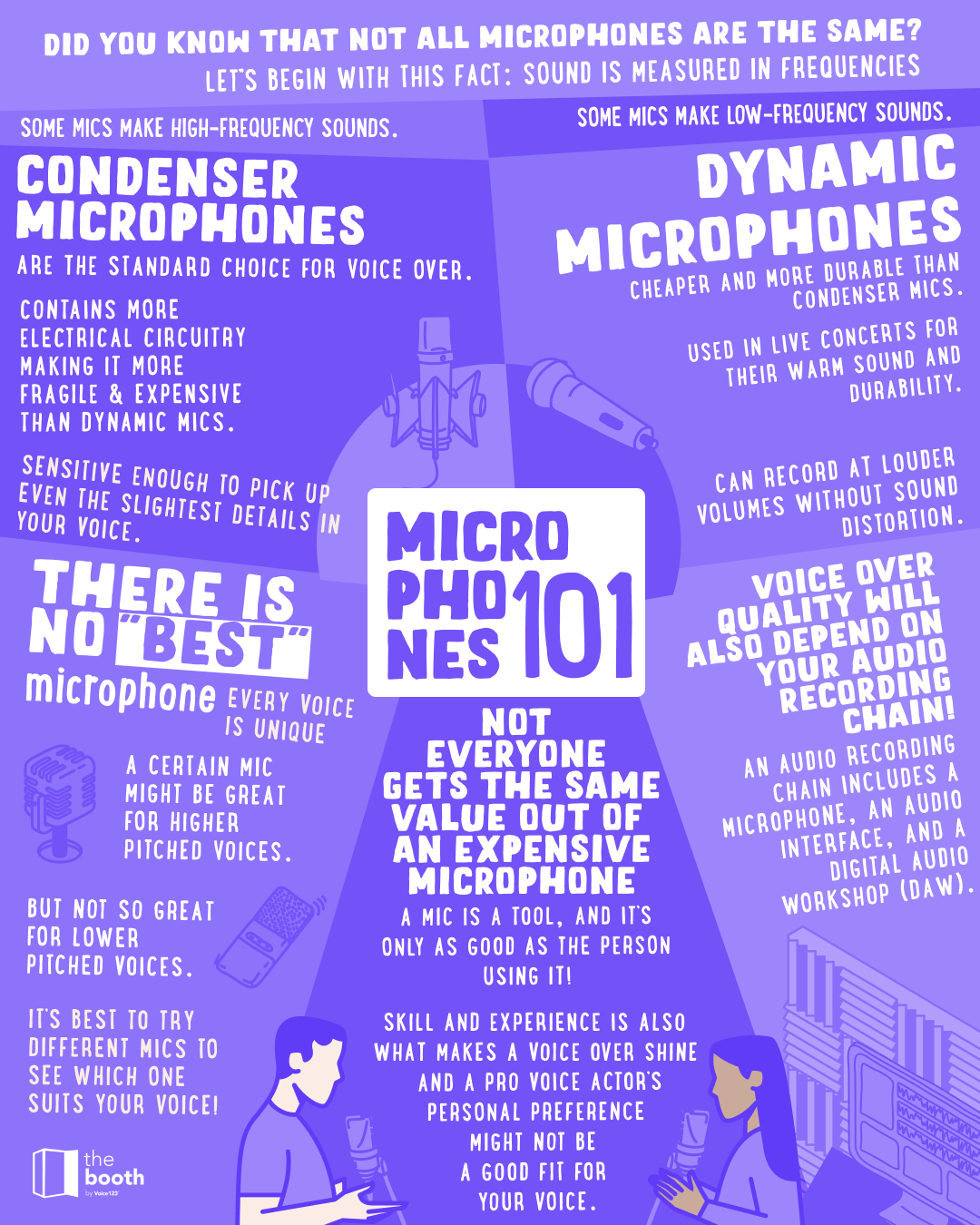
The short answer is that there is no best microphone because everybody has a different voice and they will require different voice over mics. That’s why when aspiring voice actors ask questions like, “what are the best microphones for voice actors?” they are confronted with an almost infinite number of answers that often end up being more confusing than helpful.
So it’s a good thing you’re here, because this microphone guide will cover all the fundamentals of voice over microphones.
The microphone is the single most important tool in a voice actor’s recording chain. Why? Because it captures their voice in all its raw, persuasive glory.
Even more than that: it both presents and represents them as storytellers while they’re making the sale – whatever that sale may be. It follows by implication that the better a voice actor is at the art and craft of making the sale, the more likely a client is to book them for voice overs repeatedly. That’s why we’re bringing you tips and advice from VO pros!
Voice actor spotlight: Mics of the round table
Kenita Hill, a pro voice actor who has 25 years of experience in the healthcare industry, shares that she, too, found it difficult to choose her first microphone. “It’s overwhelming almost, really is, to find something that fits because they say if you have a deeper voice, you get a certain kind of microphone. If you have a higher-pitched voice, this type of microphone works for you. So it’s really tricky,” she says.
Voice actor spotlight: Mics of the round table
Kabir Singh, a voice actor, poet, and philosopher, also shares his insight: “The answer’s much different than it was pre-COVID. I would encourage you to go down to something like a guitar center [and] try out different mics. They let you play around with mics once in a while… Now, I would say maybe rent one or two different mics. You can rent them online, …rent one that’s shotgun, rent one that’s omni-directional directional… hear it in your space. That is the best way. Otherwise, you’re just kind of guessing.”
How to choose a voice over microphone
As the heading suggests, even a question like ‘what microphones do professionals use?’ can be problematic. Some pros use microphones that are eye-wateringly expensive. Others don’t. Some even swear by their Blue Yeti’s ability to get them jobs.
So what does that mean for you? It means sometimes you’re going to hit the jackpot, and sometimes you’re going to end up with a mic you’d like to upgrade as soon as possible. Luckily, the differences between good mics aren’t so dire that they will jeopardize your job. But they will affect how your voice sounds, depending on your natural pitch and tonal quality.
Your best bet would be to sample, compare, explore your options, and see what works best for you. And since no one has a whole day to spend browsing the stores for the best voice over mics, it’s best to familiarize yourself with the reality of choosing a mic.
For starters, if there’s anything you take away from this microphone guide, don’t make the mistake of thinking that by simply investing in a microphone that professionals seem to prefer, you’re ready to record voice overs. Like most simplifications of complex ideas, that kind of logic can only get you so far when it comes to choosing the best mic for your professional voice over career.
Debunk the concept of ‘best microphones for voice acting’
While there’s so much to say on which mics are best and why XLR is better than USB, ultimately it’s important to remember one thing. The voice over microphone is just a tool. It’s a tool for a voice actor to use, to emote with the voice and provide an auditory experience. What is it that makes the experience an excellent one? Is it the shiny nickel sheen of the Neumann TLM103, the shape of the Sennheiser Shotgun, or the passion and authenticity that’s heard and felt in a voice over?
While it’s important to feel good about your purchasing decisions, and to feel good about equipping yourself with the best you can in order to succeed, it’s also important to remember that having a successful voice over career is going to rely much more on your skill as a voice actor, and as a business person. No amount of money spent on a super premium mic can save someone if their voice acting is subpar, or they procrastinate on running their voice over business. The mindset has to be both artistically inclined, and business-oriented.
How to get the most value out of voice over mics
Ultimately, not everybody is going to know how to get the same value out of a top-quality, premium mic like the Neumann U87 — retailing at around $3600 USD. Buying it as a beginner is like giving a grand piano to a child who’s still taking piano lessons. Unless the voice talent is like a child piano prodigy, they’re not going to get the value from a premium mic.
So no matter which price point you’re at, whether it’s entry level at $200, or premium at $3600, knowledge and skill are what elevates performance on the mic. Which brings us to our second point. Voice over entrepreneurship is the foundation of a successful voice over career, not fancy gadgets and top-tier equipment, although they certainly help when you’re at the appropriate level.
Experimenting and sampling microphones is your best bet when determining the best mic for you. Otherwise, it’s helpful to watch mic comparison videos with a voice similar to yours, and to imagine how your voice might sound if you were testing them. It’s even more helpful to remember that hearsay about the best microphone for voice acting can only mean so much to your mic choosing decision.
Spotlight on the community: Women on Mic Project
The COVID-19 pandemic has definitely made it hard to do anything in person… so for us, finding this resource has been incredible & we’d like to highlight it:
The Women on Mic Project is creating a free to access audio resource of raw spoken word audio samples recorded by women on various types/brands of microphones that they have access to. The aim is to help women (and others) hear a reference of other female voices on different microphones to help them make decisions when they are purchasing or deciding which microphone to use.
Dynamic vs. condenser voice over microphones
As said at the beginning, the microphone guide will equip you with the necessary knowledge for you to make your own decisions. Let’s touch up on some technical knowledge – dynamic and condenser voice over microphones.
In short: a dynamic microphone operates almost like your home stereo speakers, but in reverse. Instead of an electrical input signal moving the speaker’s diaphragm to produce sound, the sound of your voice moves a small diaphragm to produce an electrical signal. Behind the protective grill is the microphone capsule, and inside the capsule is a magnet. Around the magnet is a small and movable induction coil that is attached to the diaphragm. When sound waves vibrate this diaphragm, it moves the coil – and this movement creates a voltage as a result of the magnetic field. That tiny voltage is amplified by a transformer inside the microphone housing and sent to the output.
Condenser microphones operate quite differently: the principle of variable capacitance is involved. In simple terms, variable capacitance can be explained as “storing energy in an electric field between two conductive plates”. The diaphragm of a condenser mic is one of these plates. When sound makes it vibrate, the distance between the plates changes. These minute changes vary the capacitance and thus, the output voltage of the microphone.
Dynamic mics are tougher and better for stage use. Condenser mics are much more sensitive and better for studio and voice over work because they have a wider dynamic range; their sensitivity allows them to pick up every nuance of the voice across the entire audible frequency range.
Our recommendation for voice overs is to look for a condenser. While more expensive than a dynamic mic, you’ll find pretty decent ones at most reasonable budget levels.
What is an audio recording chain?
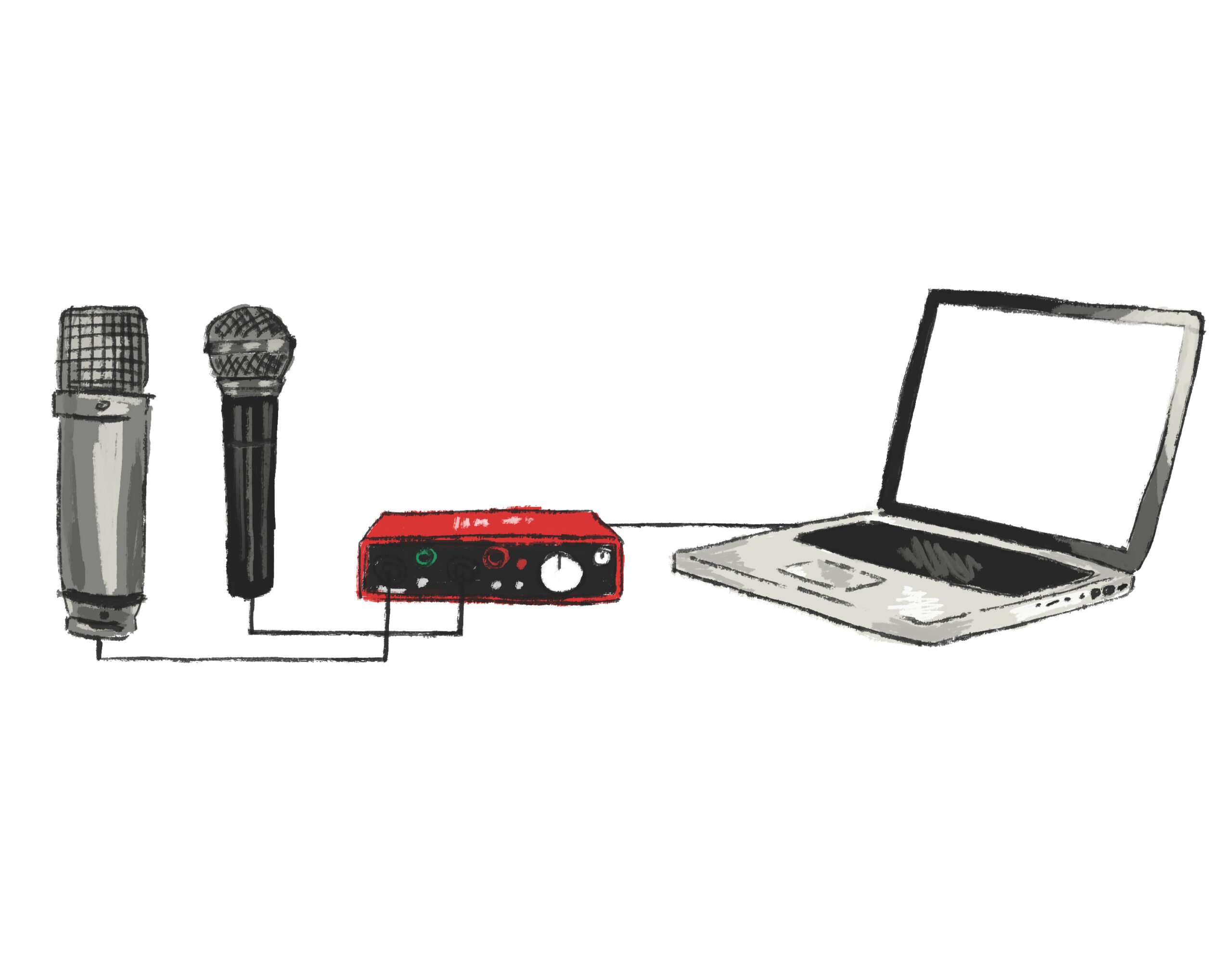
The audio recording chain is a chain that goes from mic to audio interface, to digital audio workshop (DAW). This 3-part chain is important to note, because the mic, audio interface, and DAW are all variables. And they’ll all affect how your voice over sounds.
The DAW for example, can certainly influence the way your mic sounds. Kabir says that “each DAW has its own plugins, stuff that makes your mic sound better, or make your [voice] sound better.”
“A plugin might have a noise gate, and that’s important for certain microphones.Like I mentioned, if you had a certain microphone that’s picking up [sound from] all directions, and you didn’t have the [recording studio] like I did… then you might incorporate a plugin such as noise gate. The noise gate might help you cut that noise out in the background.”
So the idea of the best microphone has its importance, but it’s only a part of the bigger picture.
Relative to microphones, it’s important to remember that every voice will sound different on every mic. That’s the nature of the beast that is the human voice. Just as the uniqueness of human voices is infinitely varied, be open minded with your mic selection, and recognize that each purchasing and trial experience will be different. But whichever voice over microphone you pick, take care of it, and it’ll serve you well for years to come.
“...As the business grows, you want to invest back into the business... so it's natural to feel like, ‘let me reinvest in a new microphone, let me go and try some new stuff…” – Kabir Singh
Boost your voice over work opportunites with a paid Voice123 membership
First-time paying members are eligible for a discount
FAQ
Although there is no standard best microphone for voice acting, condenser microphones are usually preferred by voice actors for studio recordings, due to their sensitivity and sound quality.
The XLR microphones are more versatile and they offer better sound quality than USB mics, making them the better option for a voice over microphone.


How to make your voice sound better
How to make your voice sound better
Learn how to make your voice sound better by using expert tips to improve your audio post-production skills, with the help of audio engineer Jairo Pineda and helpful video tutorials!
How to make your voice sound better
To help you learn how to make your voice sound better, we’ll be covering the topics below in greater detail. We also have video tutorials from our “How to edit voice overs” series.
Voice123’s Customer Success team has been assisting voices actors not just with customer service but also by troubleshooting audio issues and addressing related concerns. We’ve noticed some common issues on the topic of how to make your voice sound better. So, with the help of audio engineer Jairo Pineda, we’ll be providing helpful post-production tips and tricks to make your voice sound better!
Jairo Pineda
Post Producer, Musician & Audio Engineer
Work experience: Spotify, Pandora, Netflix, Publix, Disney.
Specializes in: audio restoration, radio tag mixing, post-production for TV and cinema, music production, Binaural 3D sound.

Before diving in, please allow us to stress:
- This is not a one-size-fits-all industry. Not all voices benefit from the same processes. Some recording techniques are more useful than others. And some audio post workflows will suit you better than others.
- It’s about the processes, not the tools. It’s more important to understand the concepts of what you are doing. Whether you’re using Audacity, Ableton, Pro Tools, Audition, Reaper, or even GarageBand; tools are only as good as your application.
- Planning is key. By recording in the best environment possible and with proper technique, you can eliminate the need for extra work during post-production. Always address the cause, not the symptom.
- Invest in yourself. Honing your craft means investing in yourself through education, equipment, workshops, coaching, etc.
With that said, let’s get to it!

What’s the difference between editing, mixing, and mastering?
- Editing is the clean-up process. It’s removing unwanted silences and noises, deleting mistakes, removing breathing noises, and so on.
- Mixing is when you set volume levels (and stereo placement, if applicable) correctly. This allows all the individual elements to come together like pieces of an audio puzzle.
- Mastering is when you apply finishing touches to the whole project. Such as EQ, compression, normalization, and limiting. While some of these processes may be involved during mixing, they enable everything to fit together seamlessly. It also ensures that your finished recording meets all the necessary technical and quality specifications like digital format and overall volume.
How to make your voice sound better by reducing mouth clicks
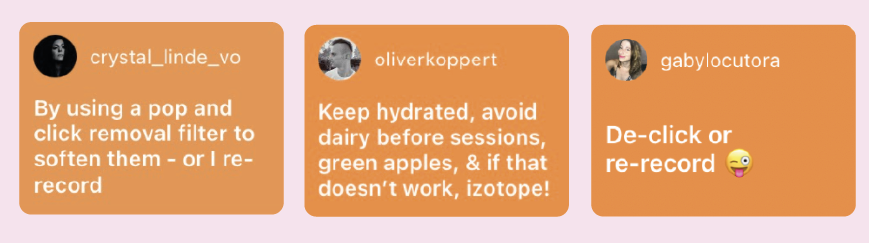
Mouth clicks are noises that naturally occur in our mouths, especially when they’re dry. They happen as our tongue, teeth, and saliva interact. This causes little slaps, clicks, and pops. It’s always better to try and avoid, or at least lessen them before the recording process even starts. The solution is to make sure you’re really well hydrated. Also, avoid drinking beverages like coffee just before you record. Certain types of medication can be a problem too. There are many potential remedies, but they don’t all work for everyone.
Tips and tricks to reduce mouth clicks in your recordings
1. Drink plenty of water at least 2 or 3 hours before recording. Keep a glass of water handy.
2. Avoid drinking diuretic beverages such as soda, coffee, energy drinks, or tea.
3. Avoid smoking.
4. Drink sips of water in between takes and phrases to keep hydrated.
5. Mic positioning and vocal projection can help reduce mouth clicks.
Additional Reading
The secret to preventing mouth clicks – Gravy for the Brain
Producing professional voice overs at home – Pt. 1 & 2 – Sound on Sound
If there are audible tongue slaps, mouth clicks and pops in your recording, you’ll have to carefully edit them out. Here’s how:
How to make your voice sound bettter by reducing plosives
‘Pops’ are caused by plosive consonants like p, t, or k. They happen when a rush of breath hits the mic’s capsule because of the lack of a pop filter. Or using an inadequate one.
Practice and perfect the production of plosive consonants by positioning the lips so you force your escaping breath downwards rather than straight at the mic. It takes getting used to and you have to practice it well. Otherwise, your plosives will always sound strained or tentative.
A great exercise is to practice talking with a pencil in your mouth. This helps to project your breath to the sides of your mouth.
Tips and tricks to reduce plosives in your voice over recordings
1. Nothing beats a good pop-filter and no voice actor should record without one! The mesh is designed to prevent plosives from reaching the mic capsule by effectively dispersing your breath. Double-layered pop filters are recommended, as they work better than single-mesh or a punched-metal one.
2. Practice your pronunciation by trying to redirect the airburst to the sides of your mouth instead of to the front.
3. Move your head slightly away from the mic capsule when pronouncing plosive consonants, so that the mic doesn’t pick up the airburst. This takes practice so you don’t go off-mic.
If you still end up with ‘pops’ in your recording, you can reduce or remove them with careful editing. Here’s how:
How to get rid of sibilance
Sibilance is the excessive high frequency sound that’s produced with letters like ‘s’; it’s that hissing ‘s’ sound. It’s the result of a combination of factors involving your lips, tongue and teeth, and can be worsened if you have a lisp. You can reduce sibilance by adapting your recording technique in front of the mic.
Tips and tricks to get rid of sibilance in your voice over recordings
1. Move your head away ( mouth approx. 1 inch to the side) from the mic capsule when pronouncing an ‘s’ sound.
2. For some, placing a popsicle stick vertically in front of the mic capsule can slightly disperse the incoming air and reduce the sharpness of the hiss. But this doesn’t work for everyone!
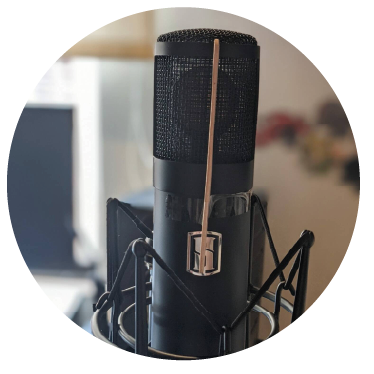
If you end up with troublesome sibilance in your recording, you can reduce it while editing. Here’s how:
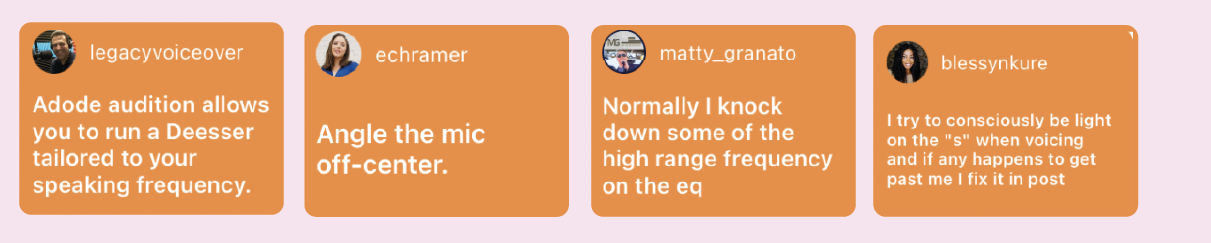
How to remove breathing from audio
Breathing is vital. But breaths can be intrusive and distracting in voice overs. Soft, gentle breaths are fine, but loud harsh breaths can really irritate a listener.
As always, it’s best to address this issue while recording. Adding to our ‘move away from the mic’ tip, we also suggest breathing exercises.
Tips and tricks to remove breathing from audio
1. Practice breathing softly and gently. And avoid sharp intakes of breath.
2. Start breathing from your diaphragm. This will give your voice the support it needs for better endurance, projection, and tone.
Additional information on how to make your voice sound better
Tara Platt and Yuri Lowenthal explain diaphragmatic breathing on Voice over voice actor.
If you find there are troublesome breaths when you listen back to your recording, you can either reduce or remove them while editing. Here’s how:
How to remove background noise from audio
Background noise comes from external sources like lawnmowers, cars, airplanes, children, dogs, air conditioners, computer fans, etc.
Rumble is created by vibrations and movements. In some cases, these can be the result of traffic passing by. Or if you move your mic stand or cable while recording. Figuring out how to make your voice sound better also involves limiting these noises in your recordings.
Tips and tricks to remove background noise and rumble
1. To reduce rumble, avoid contact with your mic stand or cable when recording. If you live next to a busy street, you’ll probably have to build an insulated false floor. Then you can set up your mic stand to isolate it from the floor vibrations.
2. Another factor indirectly related to how to make your voice sound better is eliminating background noise. So be sure to record in a silent room. And aim to have your computer in another room or far away from your recording space to limit the amount of fan noise. Be sure to remove any electric devices that can produce unwanted noise. You can check out our ‘equipment for a home studio set-up’ post for more information on acoustic treatment.
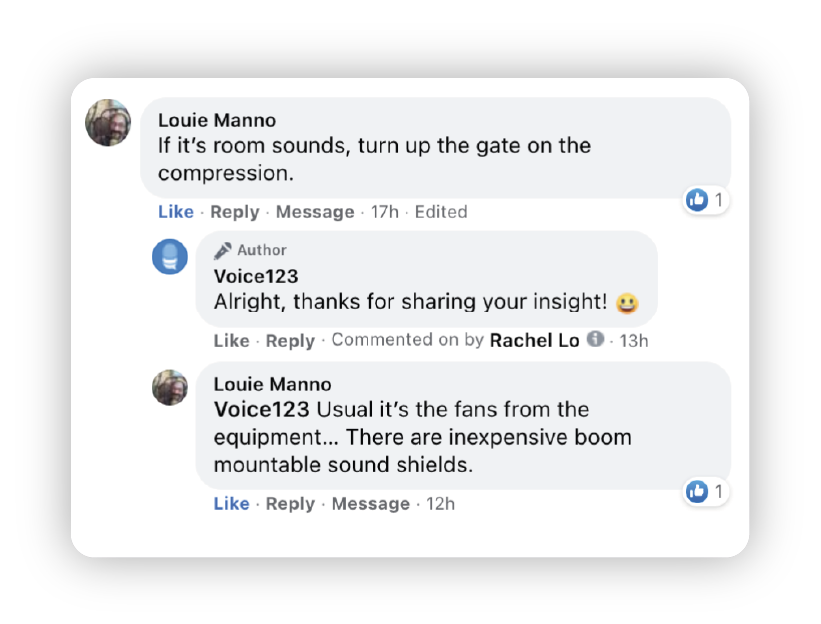
If, despite your best efforts, you have rumble and background noise in your recording, you can reduce them. Here’s how:
Audio post production is not one-size-fits-all
These tutorials are not meant to be a comprehensive audio post-production guide. We’re simply addressing the most common concerns our team helps with.
Learning how to make your voice sound better might require more time than you were hoping to invest. But you’ll be glad you made the effort to improve the quality of your recordings as it will help you stand out from the crowd. After all, it’s sincere care and customer service that gets you repeat clients and referrals!
Boost your voice over work opportunites with a paid Voice123 membership
First-time paying members are eligible for a discount

Do you need a voice over demo?
Do you need a voice over demo?
What is a voice over demo? What do you need to know about creating a voice over demo? What role does voice over scripts play? In this piece, we'll guide you through how a voice over demo real has transformed into voice over samples and how you can make yours stand out from the crowd.
Is a voice over demo no longer important?
It’s both a yes and no. Attention spans are too short to sit through a single voice over demo showcasing your entire range in one file. But if it showcases small, individual samples of your voice and vocal range? That’s 100% still important.
Voice over demos have evolved into short voice over samples, contained in specific playlists and are necessary for both new and experienced voice actors to have. Share on X
Think about this:
Do you ever buy a pair of shoes without trying them on?
Or a car without test driving it?
Perhaps a tech gadget without first watching the review?
Maybe you do and maybe it works, but most of the time, we need a ‘sample’ of something. And since voice overs are investments to clients, the odds of a client hiring you without first hearing a sample of your voice are slim to none.
In fact, when clients post projects for voice acting jobs online, it’s compulsory to choose between, ‘send me related samples,’ or ‘custom audition.’
Consequently, if you’ve invested in training, a home studio, equipment, software, and precious time, no one can afford the financial liability of “I’ll see if I need one.”
Voice over demo reel to voice over samples
A voice over demo reel is tradionally an all-in-one voice over demo. As the years have passed, it’s become more time efficent to rather focus on short, individual, high-quality recordings in a variety of categories.
These samples showcase your voice, vocal range, and versatility. It provides clients with a clear audio portrait of what your voice sounds like and whether it would fit their project.
These samples represent a growing trend in the use of short-form audio vs a traditional voice over demo. Think of a sample as a 30 second Youtube clip that grabs your attention. They are your audio representatives. They ‘speak’ to clients and say, ‘This is a sample of what I can do and what I sound like.’
What a voice over sample isn’t
Voice over samples are not long recordings of you reading voice over scripts that you found online. They’re not something you ‘have’ to do just to fill space on your online voice acting profile.
“I've seen people not get booked on stuff because their audio quality was bad, but they're great voice actors … don't try to be something that you're not." - Gavin Bentley
They’re not something you do when you’re tired or uninterested because clients can pick up on that. They’re especially no longer something that has to be professionally produced, or required to send to agents as you can now market yourself without a middleman. Voice over samples are not rushed, disorganized, unrehearsed, or long, nor are they the typical voice over demo reel.
Now, it seems logical for clients to only require custom auditions for voice over projects, but that’s not always the case. Final scripts aren’t always ready when casting directors and producers need to lock in a voice. And even when a final script is ready, it sometimes requires an NDA, which can lengthen the time frame for a casting.
At Voice123, this is usually when clients post projects that request related voice over samples, and when they use the search feature to go through voice actor profiles. In fact, since January 2021, Voice123 clients have performed an average of over 650,000 searches! And almost 60% of projects posted on Voice123 since January 2021 have requested related samples instead of custom auditions.
The bottom line is this: If you don’t have any voice over samples, you won’t be able to submit an audition for a project, and you also won’t have anything for clients to listen to when they visit your online voice acting profile.
How long should a voice demo be?
“If you upload a :60 second sample and there’s a great snippet :40 seconds in, nobody will ever hear it.”
The same applies here. Instead of a minute long voice over demo – it’s best practice to record 00:20 – 00:30 second voice over samples in each genre or category of your vocal range. The average client today can easily access these samples on online platforms, and they only want a taste. Focus on using the first five seconds of each sample to grab your listeners’ attention and hold it!
A word of caution though; short samples aren’t equal to rushed samples. Voice over samples that are rushed, will sound rush—even if the rush isn’t instantly audible. Imagine how you feel when you’re talking to someone and they keep checking their watch or phone because they’re in a hurry to leave. You never want clients to listen to voice over samples that give the impression that you were rushing or in a hurry to move onto the next recording.
How many voice over demos should I have?
As we mentioned earlier, instead of a one-minute-long voice over demo, aim for short samples in each voice over category that you specialize in.
So, how do you create short voice over samples?
Hire a professional
In principle, hiring a professional makes sense – but it can be very expensive.
“A way to find that kind of person could be by going to a conference, like VO Atlanta or One Voice Conference or Gravy For The Brain. They have a ton of people and resources.” - Yolanda Spearman
There’s lots of information available on how to make a voice over demo. So, if you decide to go down this road, take time to do extensive research, read reviews, and ask questions. From quick Google searches, you’ll find the likes of well-known programs such as Edge Studio’s Training Program. It’s even better if you know someone in the voice acting industry who can give you a reliable referral because like every industry, there are a lot of scammers out there.
Do it yourself
As the pandemic continues, you have to choose your investments wisely. With the advancements in software and editing tools, online resources, and modern methods to add online playlists and samples, there’s no reason why you can’t do it yourself.
Instead of spending time and money in a producer’s studio creating a voice over demo, you can use the time and funds to invest in your own home studio. If you take time to learn how to record, edit and create your own pristine quality audio recordings, then you’ll have more control when creating your voice over samples and auditions.
It’s advantageous if the samples you record in your studio are the ones that potential clients hear. This gives them a clear idea of not just your vocal range and suitability, but also the quality of your recordings that they can expect to receive.
But keep in mind that ‘doing it yourself’ is not simply a matter of finding voice over scripts, recording on your computer, doing a quick edit, and presto– it’s done! Making quality voice over samples will take time, research, practice, and patience.
What are the different types of voice acting samples?
Voice overs are commonly needed for audiobooks, movie trailers, phone messages, podcasts, animations, text-to-speech, and more. Some of the most popular categories are promos, commercials, e-learning, video games, and narratives.
Most voice actors are able to do voice over work in most of these categories. While it’s good to be versatile, be honest with yourself and your voice. Instead of looking up voice over scripts and trying to make voice over samples in every category, take time to perfect what you’re really good at and market those accordingly.
Take time to find the personality and style of your voice. Are you warm and conversational, or friendly and upbeat? Then, listen to voice overs in related categories along with samples from pros to see how they nail their performances. Then practice reading voice over scripts and compare your recordings. Use your life experiences and imagination to make them sound believable and always be sure to add ‘you’ to every script in order to bring it to life.
Check out our Help Center guide to learn more here: Can I add my voice over auditions as part of my samples?
Check out part two of our voice over demo series to learn from our Practice use guide to voice over samples.
6 steps to crafting successful voice over samples
1. Decide on the type of voice over samples that you want to record to showcase your voice – the ones that you specialize in.
2. Find suitable voice over scripts and practice until you’re comfortable.
3. Invest in a suitable home studio set-up with a microphone that complements your voice.
4. Record at a time when your voice is at its best, and ensure there’s no background noise.
5. Learn how to edit using professional software DAWs such as Pro Tools, Ableton Live, and Reaper.
6. Ask someone with a keen ear for honest feedback and ensure that they listen with headphones.
“Even though Garageband and Audacity are free and get the job done, I believe all professional voice actors should invest in their craft as they grow." - Jairo Pineda
Where can I find voice over scripts?
We’ve compiled a list of voice over scripts libraries on our voice over resources page.
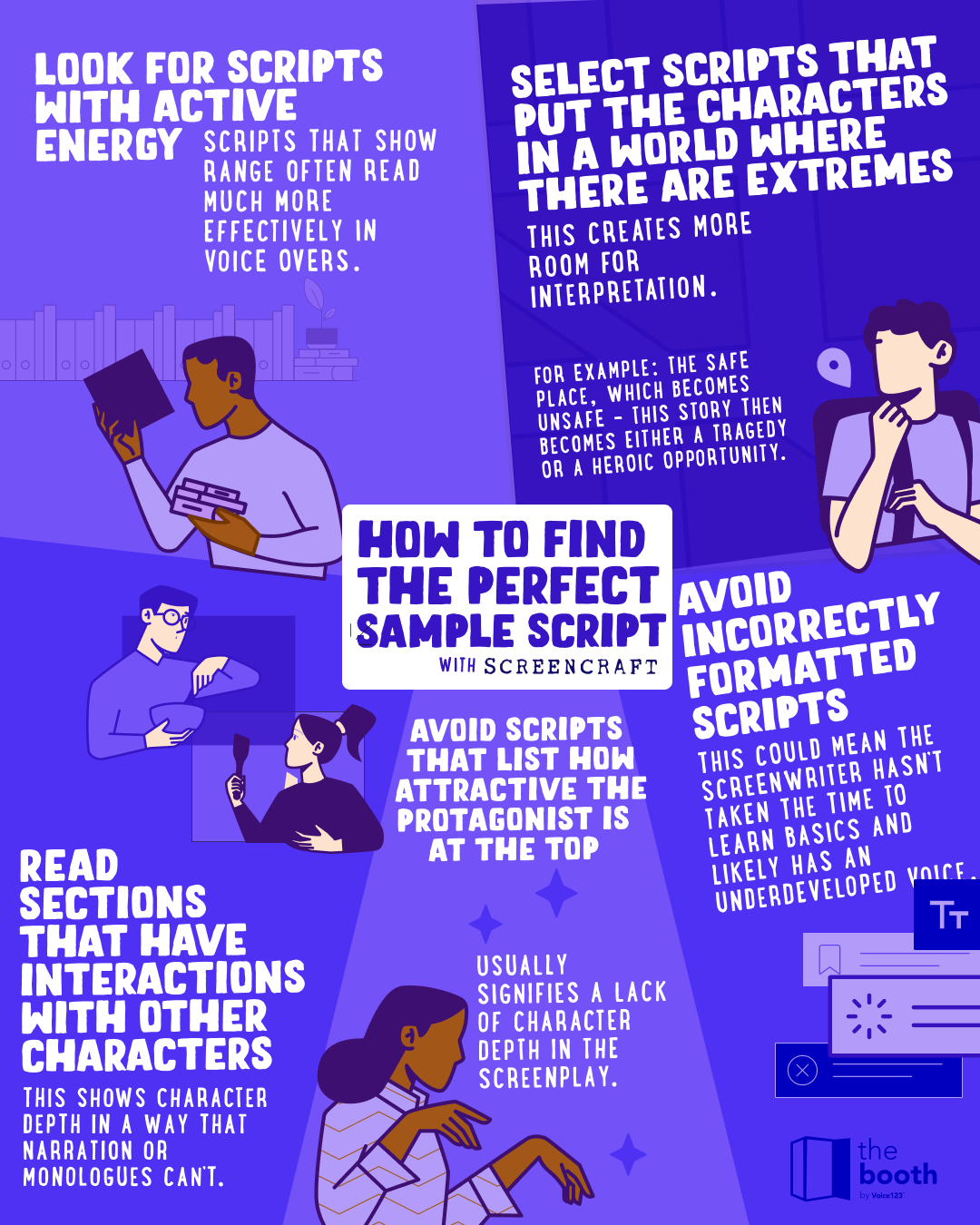
We’ve also got tips from pros on how to learn your voice over scripts, along with these 5 tips on how to identify winning voice over scripts.
“Study the script. Practice it. The better you know it, the more believable you sound and the less edits you'll need. Know your scripts!” - Jordan Jones
In a project, you might see this setting: ‘Allow voice actors to add this audition to their public portfolio.’
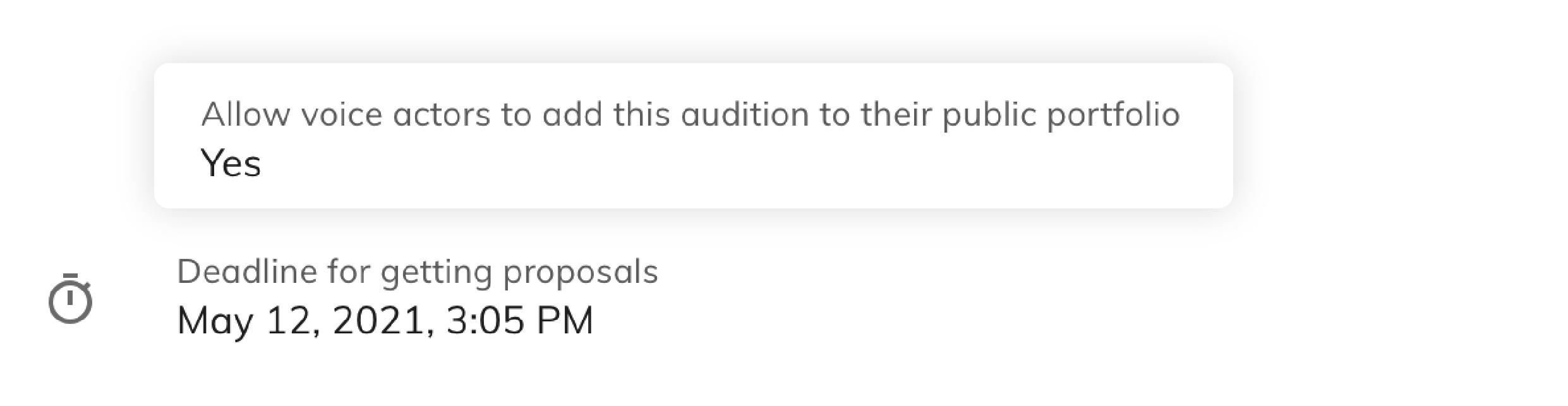
This means that clients sometimes allow voice actors to read their voice over scripts per their projects for their auditions, which can then be used as voice over samples on their profiles.

Do you need a voice over coach?

Do you need a voice over coach?
In this piece, we break down tips and questions if you’re thinking about hiring a voice over coach, and what you should know or ask before getting voice acting coaching.
Do you need a voice over coach?
While mentoring is always helpful, it’s always good to be sure to check your needs and priorities before making a commitment. Be sure to ask questions to better understand what is a voice acting coach, what do voice acting coaches offer, and what expectations should you set before getting started.
Do you need a voice over coach? The short answer is: maybe. Why? Because it depends on you, your experience, your skill set, as well as your commitment to both your craft and your voice over career. Some voice actors are adamant that voice acting coaches are superfluous, while others contend coaches either made – or saved – their careers.
It follows by implication that one learns by following the example of others, and then applying and adapting what one learns to one’s own unique character and vocal style of presentation. More than anything else as a voice actor, you need to learn to interpret a client’s brief and a script. You need to be able to follow directions, read without sounding like you’re reading, and voice act without sounding like you’re voice acting.
Can a coach teach you that?
Only you can answer that question.
Let’s start with the presumption that you’re a relative newbie. You’ve got good recording gear and a decent recording space. You’ve joined several online voice casting sites like Voice123 and you’ve landed a couple of jobs – enough to excite you to the point that you feel it’s time to level up your expertise with voice training so you can advance your burgeoning voice over career. Even the legends of the industry had to start somewhere, right?
Set proper expectations with voice over coaching
In theory, a good voice coach will help you figure out where exactly you fit in the industry, and then help equip you with the right training to take on what is becoming an evermore competitive industry.
Your expectations are important.
A coach can’t land you gigs, for example. Read that again: a coach can’t land you gigs. Why the emphasis? Because the online environment is awash with charlatans. Seriously.
By the same token, there are some fantastic voice coaches out there too, but finding a voice acting coach isn’t as simple as googling ‘how to find a voice over coach’. You’ll have to do your research thoroughly. You’ll have to browse online groups and forums and determine what your specific requirements are, who the reputable coaches are, and what you’d like to gain from them.
If you’re not specific with what you need from coaching, the coaching may seem generic and lackluster – although a good coach will always find some way of injecting value into a session. In any case, it’s good to take some time and reflect on why you need coaching.
Every good coach will more or less offer the same kind of services, including:
- Teaching voice over skills like proper diction, breathing and pronunciation
- Providing in-depth feedback on your voice acting
- Teaching how to read a script
- Helping you grow your VO entrepreneurship, and how to market yourself
- Teaching you the industry’s lingo, and so on.
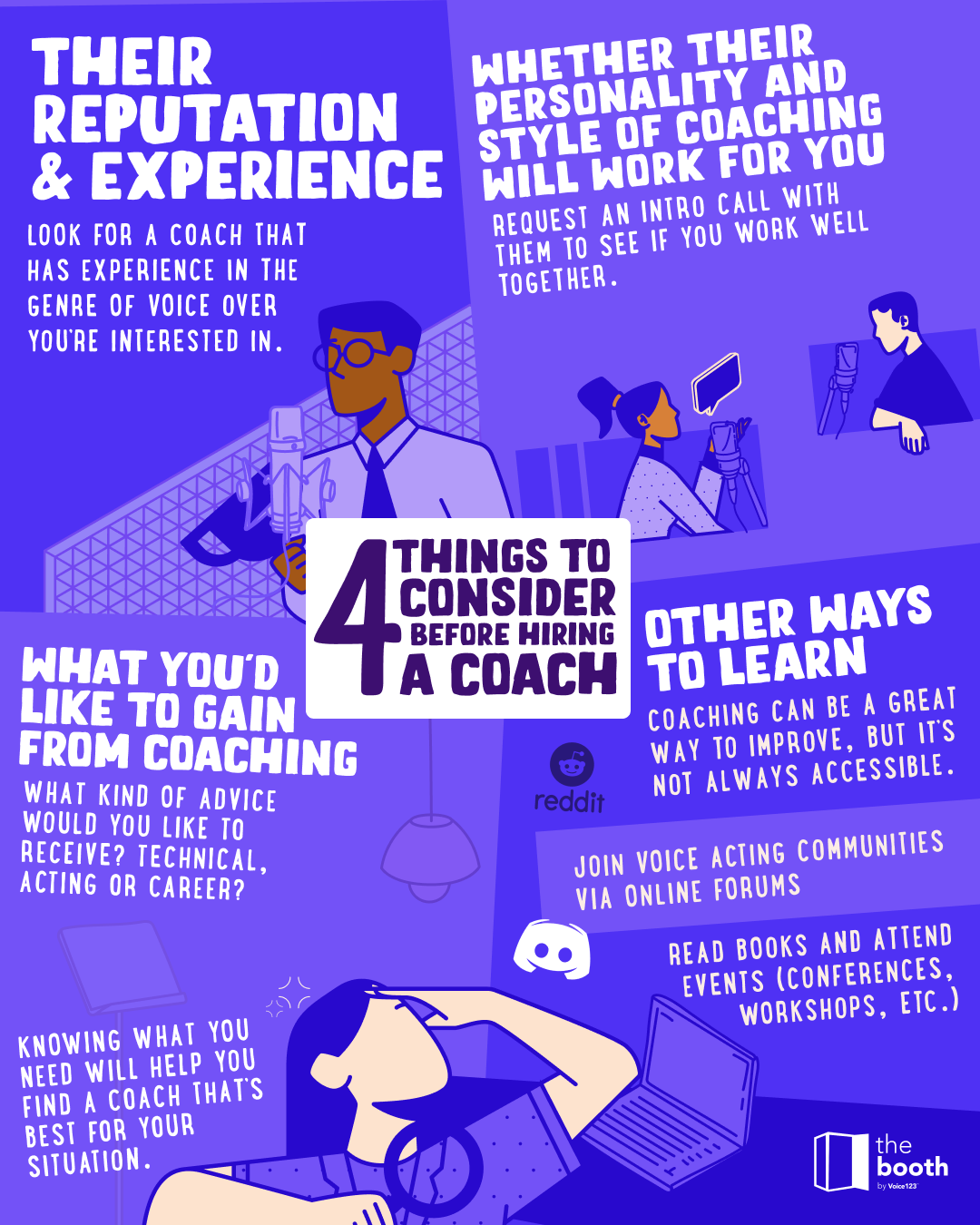
4 things to consider before hiring a voice acting coach
-
What is their reputation and experience?
-
Will their personality and style of coaching work for you?
-
What are you looking to gain from voice acting coaching?
-
What other ways can you learn and improve?
Pick a reputable voice coach with the right experience
It’s great that there are so many prominent voice acting coaches out there with inspiring résumés. But just because they have a sparkling résumé doesn’t mean they’re a good coach for you.
You need to pick a voice over coach who has experience in the genres you enjoy working in or hope to work in. You’ll simply get more value out of your coaching sessions that way. There are many, many different genres and more often than not, it’s best to specialize in those you perform well in rather than trying to be a jack-of-all-trades. Become a master of some, not a master of none by trying to be a master of all!
Voice over sample scripts for coaching sessions
When you combine practice voice acting scripts and the professional ear of a reputable coach, you’re likely to learn a great deal. It’s almost like a live-directed voice over session, which is something you’ll have to start preparing for and accommodating as you progress in your voice over career.
You need to pick a voice over coach who has experience in the genres you enjoy working in, or hope to work in. You’ll simply get more value out of your coaching sessions that way. Share on XWhen you book a coaching session, chances are you’ll also be reading a script, and the coach will suggest how you can improve your read. It makes sense then, to find a script that’s right for you so you can work with your coach in those genres you’re comfortable with.
It’s important to pick the right type of voice over script. On our Voice over resources page, you’ll find a list of sample script libraries, including:
So, do you need a voice over coach?
As one voice artist and coach Carrie Olsen puts it, doing it yourself involves “trying things over and over again that don’t work, having very little success, getting frustrated, learning from your mistakes, and trying again and again until you get it right. All things that a good coach will help you avoid or at least move beyond much quicker.”
Voice actor and mentor Joshua Alexander concurs. If you’ve signed up with a good coach because you need a professional’s audit of your voice over business, that’s what you’ll get.
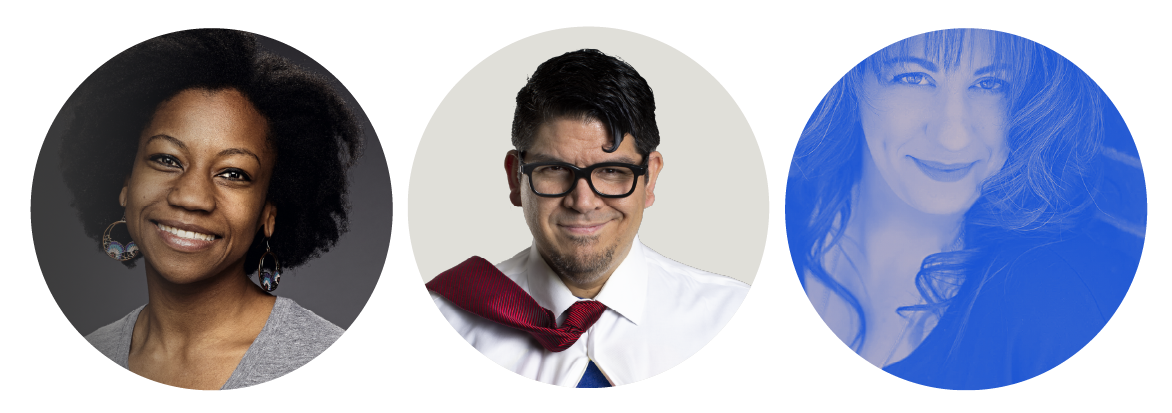
“You have to look at the career of the coach that you’re considering working with, because ultimately their viewpoint and their knowledge of the industry is skewed based on their personal experience,” says voice actor and coach, Gabrielle Nistico. “If you want to be an animation actor, then going to someone who’s had a career in audio books won’t be beneficial for you in the long run, because it’s a different area.”
Like we’ve said before: do your research – and do it before you leap in and spend thousands of dollars.
That said, not everyone can access coaching simply because good coaches are expensive. That doesn’t mean voice actor newbies can’t find support, however.
Discord is a popular group-chatting app (originally meant for gaming communities) that fosters communities of all types. So it’s no surprise there’s a voice acting discord with thousands of members. Participating in such a community can be a good way to wrap your head around the industry, and see how voice acting peers manage their careers.
Beyond that, it’s going to be crucial to study the industry if you can’t get voice acting coaching. Read books, learn about other voice actors’ experiences, understand it’s a business, browse the voice acting reddit, and ask your friendly neighborhood voice actor.
Whatever it takes, it’ll be really helpful if you make an effort to learn about the voice acting experience – not just behind the mic – but everything that happens beyond it.
To get the most out of a coaching session, choose a couple of different ones so you can start extending your versatility, vocal reach, and confidence. On the voice over guide’s voice over resources page, we have a section dedicated to voice over sample scripts, compiled from our friends’ and partners’ sites.
Ultimately, practice, practice, practice. And then practice some more. You’ll find yourself progressing from relative newbie to industry professional sooner than you might think if you invest time and effort in your craft and your skill set if you set the right expectations and if you commit to becoming a true professional voice actor you can be – with or without a voice coach.
Taking this post full circle, your success depends on you.

How to audition for voice acting jobs
How to audition for voice acting jobs
Voice acting auditions are the gateway to becoming a professional voice actor. They showcase your skills, versatility, and professionalism—serving as your resume for potential clients. Whether you’re new and wondering how to be a voice actor or already have experience, learning how to audition for voice acting is the key to landing voice over jobs.
What are voice acting auditions?
A voice acting audition is a recording of a voice actor reading a sample script for a project. During casting calls for voice acting, clients use these auditions to find the best voice for their project.
To succeed, voice actors must deliver a clear, authentic performance that matches the tone of the script. The recorded voice over audition is then submitted online for the client’s review.
At Voice123, we help thousands of voice actors find voice acting auditions online and connect with clients worldwide.
Check out our free checklist of 10 tips for successful voice over auditions.
How to audition for voice acting
Step 1: Read the brief carefully
Every audition starts with a project description or “brief.” This outlines exactly what the client wants. Pay attention to:
-
The tone (professional, playful, serious, conversational).
-
The audience (children, corporate professionals, gamers, learners).
-
Any character notes (age, accent, personality traits).
-
Technical details like file format, length, and submission deadlines.
Skipping these details is one of the top reasons voice actor auditions are rejected. Clients want someone who can follow directions as much as they want a great voice.
Step 2: Warm up your voice
Daily vocal exercises can improve clarity, prevent strain, and expand your range. Examples include:
-
Lip trills and humming to loosen vocal cords.
-
Tongue twisters to sharpen articulation.
-
Breathing exercises to build control and stamina.
Warming up helps ensure that your voice acting auditions sound polished and professional from the very first word.
Step 3: Test your equipment
Great audio quality is crucial to a great voice over audition. Make sure you have:
-
A professional microphone (USB mics are fine for beginners, but XLR mics with an interface are preferred).
-
A quiet, soundproofed space—even a closet with clothes can work as a makeshift booth.
-
Editing software (like Audacity, Adobe Audition, or Reaper) to remove clicks, breaths, and background noise.
Pro tip: Always record a 5-second test before a full audition to help you catch issues before wasting time on a full read.
Step 4: Perform with confidence
Confidence shines through audio. Get into character and bring the words to life by:
-
Adjusting pitch, pacing, and volume.
-
Adding emotional depth when the script calls for it.
-
Reading like you’re speaking to one person, not an audience.
Clients want authenticity. Even in commercial voice actor auditions, they often look for a “real person” sound instead of an announcer tone.
Step 5: Edit and submit your audition
Once recorded, clean up your audition:
-
Remove background noise, clicks, or mouth sounds.
-
Normalize volume for consistent playback.
-
Save files in the required format (often MP3 or WAV).
-
Double-check file labeling (e.g., “Firstname_Lastname_ProjectName.mp3”).
Submitting polished, professional files on time is one of the best ways to impress clients—even before they hear your voice.
Create top-quality audio with help from experts!
10 Tips for successful voice acting auditions
-
Understand the Role – Study scripts carefully and align your read with the intended character or brand voice.
-
Practice Daily – Consistency builds range, stamina, and style.
-
Use Professional Equipment – Better sound equals higher chances of booking.
-
Minimize Background Noise – Clients don’t want distractions in their auditions.
-
Bring Your Own Style – Add a personal touch that makes your audition memorable.
-
Follow Instructions Exactly – Missing details = instant rejection.
-
Keep Editing Minimal – Let clients hear your natural voice.
-
Experiment with Variations – Showcase range with multiple takes if allowed.
-
Stay Professional – Clear communication and punctuality go a long way.
-
Never Stop Learning – Workshops, classes, and coaching keep you competitive.
Advice from pros on auditions for voice acting
Need advice on how to get auditions for voice acting? We’ve got all the insights you need with interviews from two seasoned and talented voice actors – Courtney Greer and Gwendolyn Carter. Greer and Carter have 13 years of combined professional experience getting booked for gigs through booming voice acting auditions. As you listen to their journeys, note their tips and suggestions to improve your voice acting auditions.
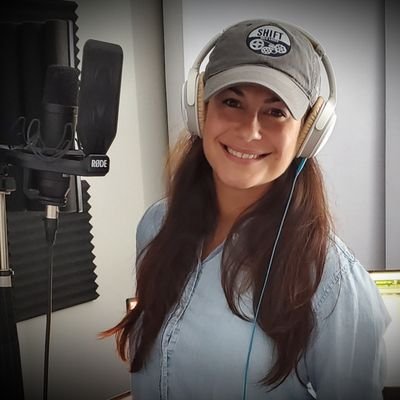
Courtney’s been a member since Aug 2, 2013, and has been a professional voice actor for nine years.

Gwendolyn’s been a member since Nov 11, 2018 and has been a professional voice actor for 4 years.
Conclusion
Mastering how to audition for voice acting jobs is about preparation, performance, and professionalism. Whether you’re just starting your journey in becoming a voice actor or you’re experienced and want to land more voice acting auditions online, these tips will help you succeed.
At Voice123, we make it easier for voice actors to find real casting calls for voice acting and book work. Sign up for a membership and get invited directly to voice over projects and boost your voice acting career!
FAQs
To get into voice acting, train your voice, record practice scripts, and create a professional sample playlist that showcases your range and tone. You can also join online casting platforms like Voice123 to help you access voice acting auditions and connect with clients directly.
Breaking into voice acting takes persistence, but it’s not impossible. With consistent auditions, training, and networking, many beginners turn auditions into booked jobs.
Yes, you can get a voice acting job with no experience by starting with smaller gigs, finding a niche, practicing regularly, and creating samples to submit for voice acting auditions.
To get hired on Voice123, complete your profile with professional samples, write a bio that includes your voice acting skills, and consistently apply to voice over auditions that match your skill set. Clear communication and fast response times also help build client trust and increase bookings.

Setting up a home recording studio
Setting up a home recording studio
Consider equipment, processes and practices for both audio production and post-production when setting up a home recording studio. It’s not as simple as slapping on a pair of headphones and speaking into a microphone.
The idea of setting up a home recording studio sounds complicated. But when you’re working from home as a voice actor, you need good equipment that produces top-quality, professional recordings. Since in the voice over business you’re only as good as your last job. And since your recordings are done in your voice recording studio, everything from auditions to final deliverables has to be top-notch.
Remember also that voice acting is both an art and a craft. That means voice actors also need the right tools to get the job done properly. A decade ago, these tools were expensive, especially if you were a new kid on the block. Nowadays, home recording studios have become the new normal. So, good equipment is more affordable and accessible, which makes learning more about setting up a home recording studio a walk in the park.
An A-Z voice over microphone guide
As outlined in our A-Z voice over microphone guide: not all mics suit all voices. So, you’ll need to experiment until you find that suits your voice and its unique tonality. We’re not saying you have to spend $5,000 on a mic for your voice recording studio. We’re saying find the right mic. And the right mic doesn’t always mean an expensive mic. Research the topic online. Determine a price range you’re comfortable with. Chat with people online and ask sales associates questions. Due diligence is key.
Audio equipment for home voice over recording studios
“So many people, so many opinions” definitely applies to home voice over recording studios. But some brands and types of equipment have proved trustworthy. And are more popular because of it.
Microphone aside, we recommend having:
- A computer or laptop
- A professional microphone and its accessories
- An audio interface
- Digital audio workstation (DAW)
- Studio headphones
- A recording space and acoustic treatment
Read more about these items in “Equipment for a home studio set up.”
How to make your voice sound better
Setting up a home recording studio is not only about focusing on your equipment and production needs. It should also include your post-production needs, too. Share on XPost-production, which includes editing, mixing, mastering, is just one method of how to make your voice sound better. So with the help of Jairo Pineda, an audio engineer, we put together a tutorial video series of the common voice over recording issues and ways to fix them.
How to improve audio quality of a recording
Knowing how to improve audio quality of a recording is more than just “bad sound vs. good sound.” It encompasses aspects like pitch, volume, accuracy, and audio intelligibility. Actors, social media influencers, video producers, and voice actors, to name a few, need these audio characteristics as their work foundation.
Our audio quality guide lists helpful steps to improve your recording’s quality and an introduction to our custom sound check service with specialist voice over sound engineers. With their expert advice, you can improve your audio quality and expand your work opportunities.
Boost your voice over work opportunites with a paid Voice123 membership
First-time paying members are eligible for a discount
How to optimize your Voice123 samples for success
What are voice over samples on Voice123?
Voice over samples on Voice123 are a collection of short audio clips you can upload to your profile; they can include excerpts from past projects like commercials, narrations, or character voices. Think of them as a digital portfolio that clients listen to when scouting potential voice actors. While voice over samples portray your real-life work, they differ from demos, which are longer recordings created in perfect sound environments. Creating voice over samples from third-party scripts is also an option, but it’s best to get permission before uploading them to your website or Voice123 profile. Depending on client preferences, you can also upload specific voice acting auditions to your profile as samples. Learn more about adding voice over auditions to samples in this FAQs for Voice123 Auditions.
Optimize your voice over samples playlist
Your voice samples playlist is similar to creating a music playlist for different song categories. On Voice123, you can organize your voice acting audio clips by uploading relevant voice samples to specific category playlists. So, you can add your Commercial, Explainer, and Animation samples to your Commercial playlist. Use our step-by-step guide on how to upload playlists and samples to get started.
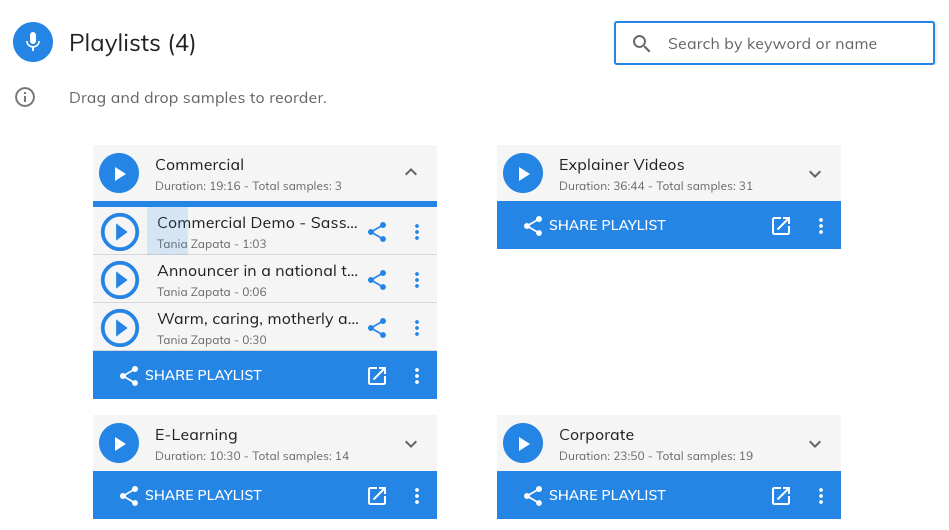
If you already have voice samples, you can optimize them with keyword descriptions and choose the best categories for each recording. And since you wouldn’t send the same résumé and cover letter to every new job application, it’s better not to have the same description for each voice sample. Each one must clearly represent an aspect of your voice acting ability so you can appeal to more clients while showcasing your vocal prowess.
Should I describe my work or my voice?
You should prioritize whichever option has the most weight for you. You can describe your experience, especially if the projects are highly recognizable, but if you’re starting out, then describing your voice might be a better option. You could even combine both descriptions with “American narrator for National Geographic environmental documentary.” *Using the brand name is optional.
Potential clients looking for voice actors can now imagine exactly how your voice sounds in a specific context. Keep sample titles clean and simple to show clients what they want.

Just like you wouldn’t take a dirty, crumpled resume to a job interview, don’t upload poor quality samples that don’t reflect your vocal skills or recording studio capabilities. – Nacho Peñalver
Best practices for your voice samples
What should you put in your sample name?
Depending on what the sample is about, you have different options:
Write about your character or role and the project category.
- Video Game samples
- – Superhero – All-American – Confident
- – Joker – Maniacal laugh – Deranged
Keep sample names direct and state the company name followed by the project.
- Commercial
- BMW commercials
- Medical commercials – PharmaMed
If you have no samples, you can use demos instead; list them in a single playlist using your name.
- All my samples
- Jack voice actor – commercial demo
- Radio Ad demo
You can also state if your samples are non-broadcast, like audiobooks, cartoons, or podcasts.
- Corporate / Non-Broadcast Narration
- Corporate Casual Explainer
- Corporate narration
What search keywords should I use?
It’s best to think strategically about how you want to present yourself to potential clients. You can choose up to 3 descriptive keywords to express your vocal qualities. Consider descriptions that reflect your vocal tone (e.g., warm, authoritative, friendly), industry expertise (e.g., medical, technology, finance), or specific character traits (e.g., quirky, sophisticated, energetic). You can also include famous vocal styles that are similar to your own (e.g., Morgan Freeman, David Attenborough). Keywords push your profile to the front of the line when clients search for voice actors with your specific attributes.
How many voice styles can I add?
You can add up to 2 voice styles to your profile to demonstrate your range and flexibility. So, if you deliver touching narrations, include descriptions like warmth and heartfeltness to illustrate your storytelling emotion. You can use descriptions like resolute, diabolical, or inspiring and sinister for quirky personalities like villains and heroes. With contrasting voice styles, you can appeal to clients seeking diverse vocal performances from voice actors because your profile demonstrates that you have the skills and versatility to meet their needs effectively.
Can I describe an accent?
Absolutely! Voice123 allows you to add up to 2 accents or ethnicities. So, whether you can portray regional dialects, international accents, or cultural nuances, specifying your accent capabilities enhances your marketability to clients seeking authentic and culturally relevant voice performances. So, for regional dialects, you can indicate accents like Southern American, British Received Pronunciation (RP), New York City, or Australian. If you have experience with international accents, you can include French, German, Spanish, or Italian.
Boost your voice over work opportunites with a paid Voice123 membership
First-time paying members are eligible for a discount
Improve your audio quality with Voice123
To help you improve your audio quality – we’ve set up a Sound Check service with specialist sound engineers.
Now, you can benefit from their expert ears and advice as they assess your audio profile, troubleshoot issues, and provide a technical, detailed report of best practices.
This will help you improve your sound quality and optimize your work opportunities.
Get started today!
- Request a free profile assessment – our team will advise how the Sound Check service can help you.
- Complete the payment and receive a full technical report within a week detailing specific audio areas for improvement.
- Take the necessary corrective steps and start producing high-quality deliverables.
FAQ's
No. Having a variety of samples can be advantageous as long as each sample showcases a specific part of your vocal work or abilities. When choosing the descriptions for your samples, be accurate and specific because samples that reflect their descriptions will positively affect your chances of being found by clients.
If a client is looking for options, the more samples and playlists you have, the better your chances of matching the VO style they’re looking for.
It first considers the keywords used in each field, then, the sample name, and clients can filter samples by the following fields: voice gender & age, language, voice styles, accents & ethnicities, and the purpose of the recording.
Share this post!
A blog owner yourself? Relevant links to quality sites will help your performance on search engines. If your readers will benefit from the services or information on The Booth's Voice over Guide, please consider linking to this post or the guide itself.
How to optimize your Voice123 profile for success
Search Engine Optimization (SEO) & why should you care?
Before we get into the dos and don’ts for your Voice123 profile, we need to dive into the big deal around SEO and its advantages. How does it support the creation of a strategic online presence when voice acting is all about performance?
Simple: SEO helps with visibility. It’s an enabler. It grows your digital presence and your potential for booking voice over work.
There’s no argument these days that having a successful voice over career takes a lot more than just having a good voice and acting talent. It’s a very competitive industry. The acting profession itself is also demanding. It requires you to stretch your acting talent, interpretive ability, as well as your business acumen. In short, you need an entrepreneurial mindset; you must be a VO-entrepreneur. After all, you are a business.
So, where does SEO fit in?
Basically, SEO is making use of keywords to increase your online presence, so you rank better in search engines. By optimizing your profile, including your samples according to best practices, your online visibility will improve — and the more visible you are, the easier it is for clients to find you. No one will book you if they don’t know you’re there!
Improving your visibility will then help you rank on Voice123 and other search engines like Google, and keeping your profile up to date means you’ll be properly equipped to show your work to potential clients. Especially to clients who aren’t looking on Voice123.
To help you apply these skills, Julie Shanahan, Voice123’s Product Designer, shares best practices that you can start following today. Keep in mind that this won’t provide you with instant results. It takes time. It’s not a one-and-done implementation either; it’s a skill that requires knowledge to develop and persistence.
The weight of word usage
When it comes to optimizing your profile, word choice is very important. Changing one word to another can make the difference between your content ranking well on search engines or not ranking at all. And that’s important because 75% of users never click past the first page of search results, which means that word differentiation could bring your profile to more clients or hide it behind overwhelming amounts of search results.
What to write in your ‘About’ section
So how do landing voice acting gigs intertwine with writing for SEO? By imagining yourself as the client who’s searching for a voice actor. As mentioned in our video, you would write on your About page in a third-person perspective.
Speaking in the third person is optimal because when clients write in the search bar of any search engine, they’re not searching “I am a voice actor” they’re searching for your name.
And if your name is used frequently in your profile, recurring clients and new prospects who search for you are more likely to find you. That also means words that aren’t relevant or important and words that clutter the profile should be avoided. For instance, avoid emojis and writing about your favorite pastimes unless they add credibility to your voice acting skills.

Keep in mind that you’re not writing an essay about yourself – just the main highlights of your vocal career to help clients understand your strenghts and abilities. Julie Shanahan
❌ Avoid this type of About section
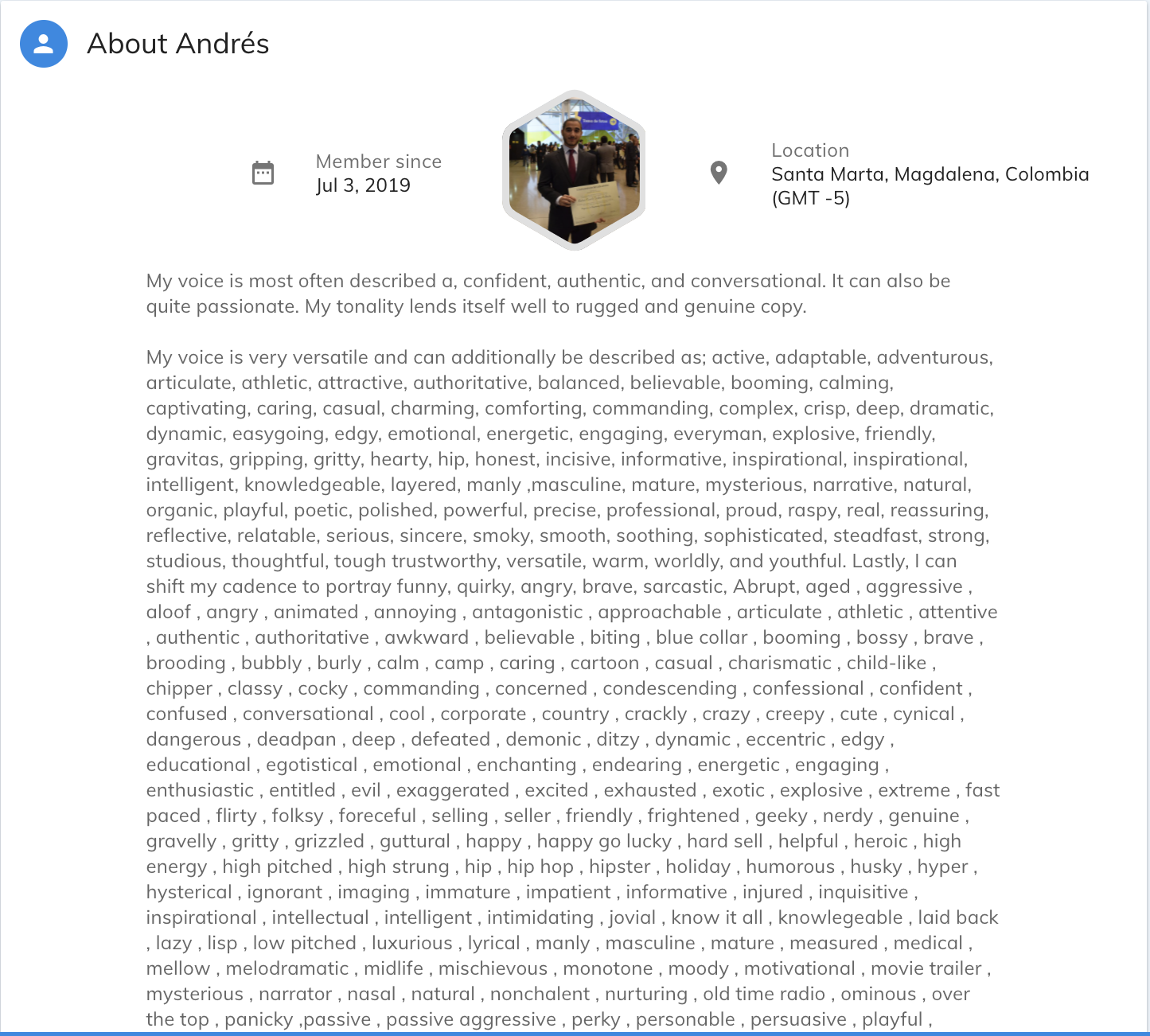
This is NOT a good example of how to optimize your Voice123 profile. In this section, the voice actor is describing his voice with many, many keywords.
If you do this, we assume the intention is to provide clients with the full picture of your skills and to make sure you are covered under Voice123’s search capabilities. However, public search engines will do absolutely nothing with this, because there’s no context behind the usage of these words.
What’s annoying? What’s awkward? How is your voice quirky? How is it calm?
✅ Aim for this type of About section
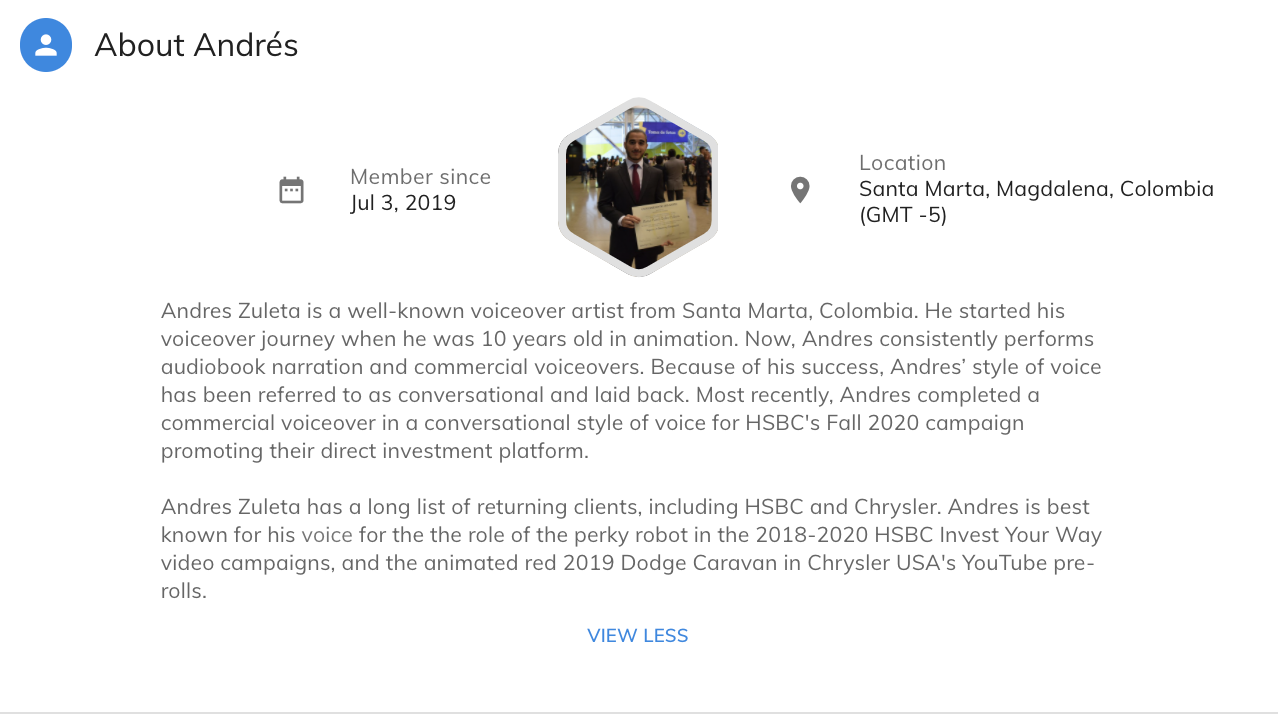
This is a good example of how to optimize your Voice123 profile. You need to think strategically here; pick a couple of keywords you’d use to promote yourself, ones that you’d be confident to rank for. If you are going to mention your clients, mention the projects you completed with them. If you describe your voice styles and tones, don’t forget to mention the character and/or role you performed.
It’s all about giving context, being specific, and writing in proper, full sentences. Plus, the most important information should sit at the top of the page. *The examples above are for demonstration purposes only.
Template: About section
Here’s a template to help get you started. Alternatively, you can start by listing descriptive words instead of introducing your name to immediately show the characteristics of your voice.
It’s short but delivers the essentials and saves clients from reading unnecessary information. They’ll appreciate that. Feel free to change, add and remove whatever you’d like to fit your profile better.
What to write when specifying work you've done
It’s great to include brands and clients you’ve worked with before, as listing brand names tends to bring more attention to a profile than listing voice over categories in your About section, such as audiobook narration, commercial, eLearning, animation, corporate, promos, and so on. You can write something along the lines of:
And if you haven’t worked for brands yet, it’s still good to note some of your most prominent works and roles.
Daniel Amerman has successfully secured a SERP (search engine results page) featured snippet with his Voice123 profile.
That’s not to say you shouldn’t list project types you’re proficient with, that’s still a good idea.
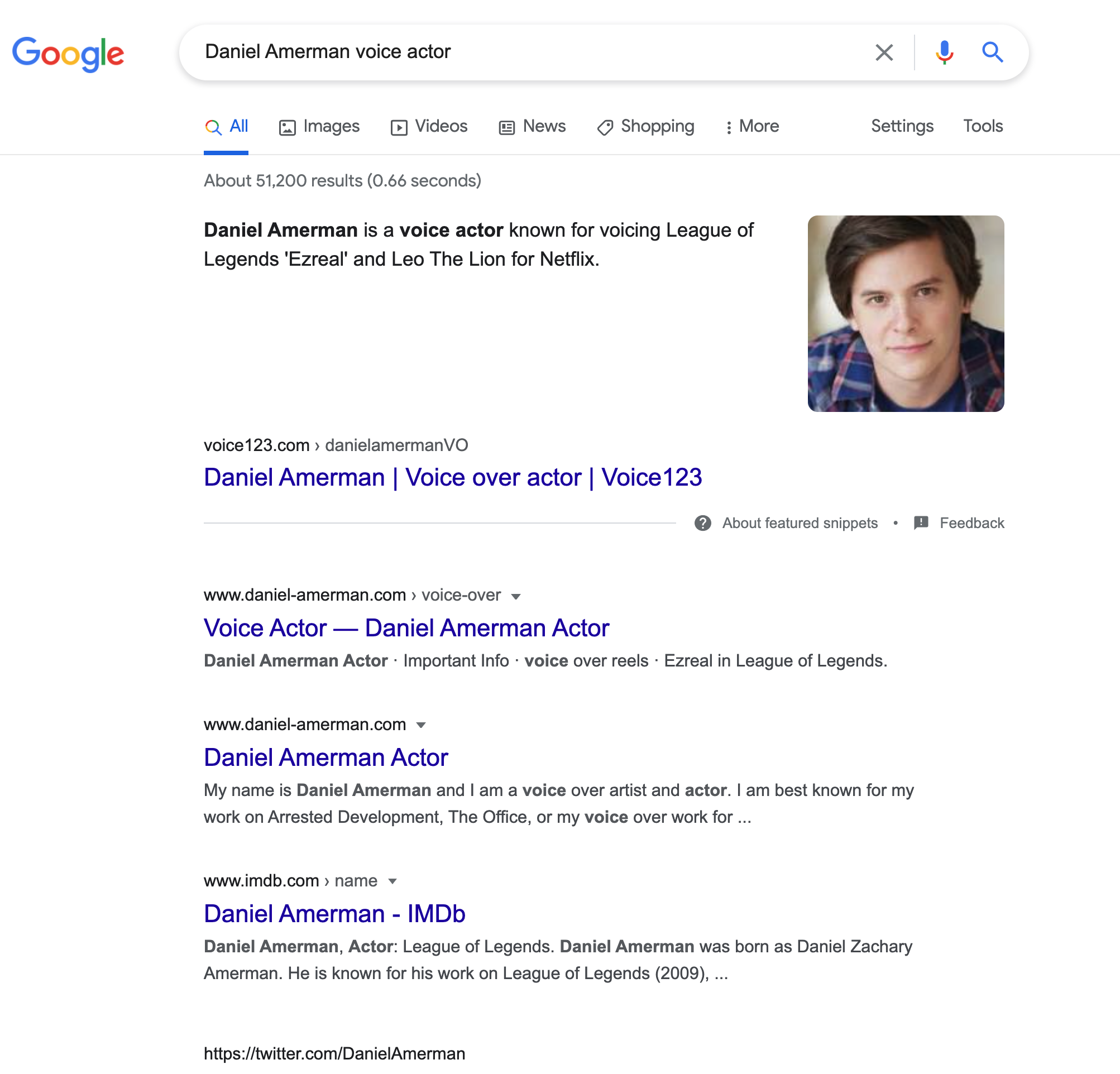
Often, clients will already have a project in development and know what kind of voice they’re looking for. Including your ability to cover certain project types, such as audiobook or eLearning, in your profile will increase your visibility and your chances of booking a gig.
As mentioned in the video, try to keep paragraphs between 40-60 words. Run-on sentences can lose a client’s attention. A word count is just a guideline, but the idea behind it is to convey information directly and succinctly. If you imagine yourself as a client looking for a voice-over, you’ll likely want to read the About sections as quickly and efficiently as possible. Helping clients understand your About section better will make it easier for them to choose you.
And there you have it, we hope you’ve found these tips and tricks on how to optimize your Voice123 profile. Once your About section is looking sharp and delivers important information well, you can start to optimize your samples.
Ready to upgrade your Voice123 membership?
First-time paying users are eligible for a discount.
Share this post!
A blog owner yourself? Relevant links to quality sites will help your performance on search engines. If your readers will benefit from the services or information on The Booth's Voice over Guide, please consider linking to this post or the guide itself.
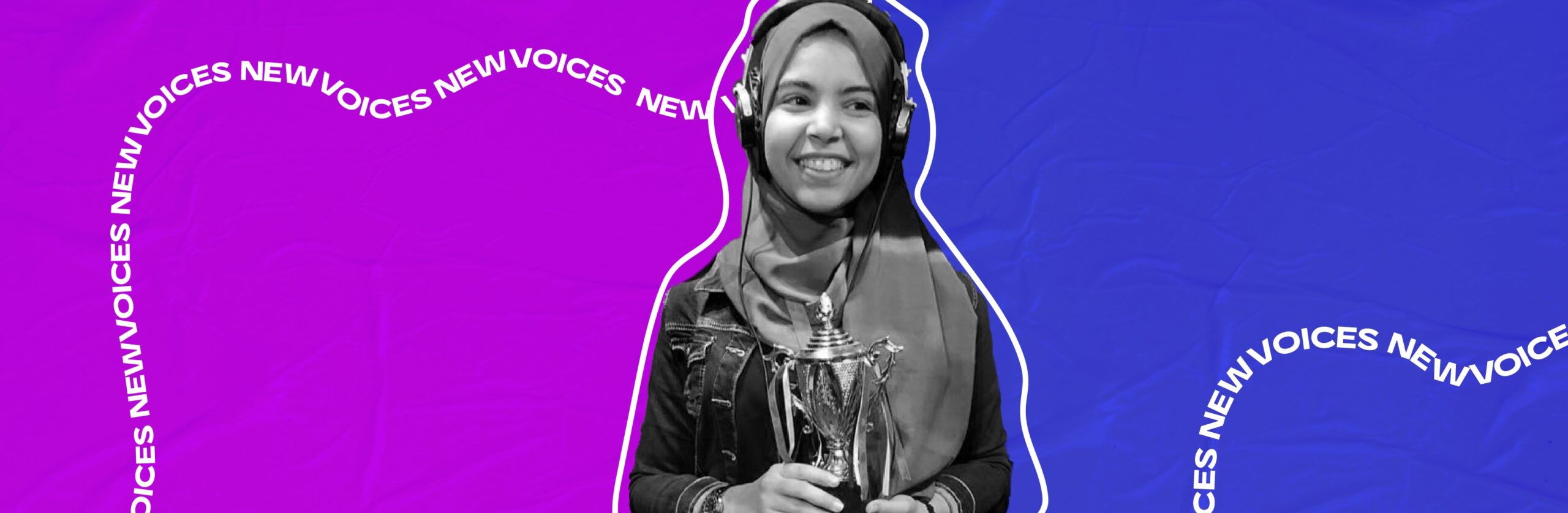
New Voices Interview with Nour Allam
New faces, new people, new stories — this is New Voices.
Tell us, what got you interested in pursuing becoming a voiceover artist?
I’ve been interested in the sound and media field all my life, and I was inspired by Lebanese voiceover artist Maria Aswad on MBC group channels! She started as a translator for films and cartoon programs in Arabic, and worked as a producer and copywriter. But now, she does voice overs for the MBC4 channel. I think she is so amazing! Her voice can get you to watch a film, even if you didn’t want to in the first place. Because of her, I found myself searching and learning more about this field until it turned into one of my passions.
What's the most difficult project you recorded as a voiceover artist and why?
The most difficult project was narrating my first audiobook in 2017, called Ajwan. This novel had a variety of characters. I did them all by myself with different tones! And it was a long novel. The final duration came out to be 12 hours in length, but I enjoyed the experience.
What's the coolest audio gadget in your recording space?
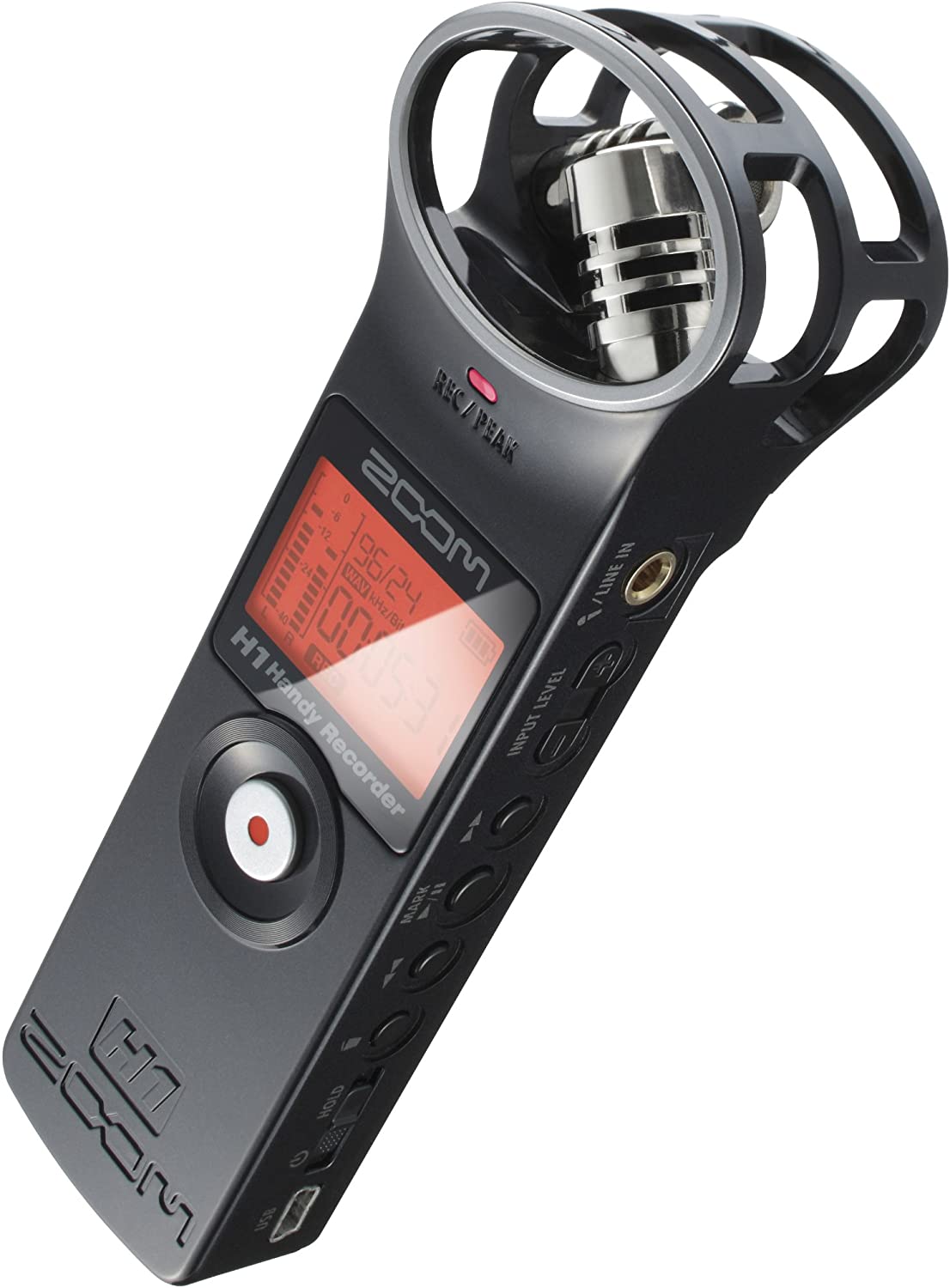
My Zoom H1 recorder! I’m not using it anymore, but I consider it my companion to success! It’s the first mic I ever had, it was recommended to me. I found it more suitable to my budget at first, and it was great quality despite the price in the market. My first project was an ad for a charity in my town called Resala. My first paid project was for an IVR (interactive voice response) and I earned 200 EGP for it.
What do you regard as your voiceover artist specialties?
Narration, voice acting, commercial, e-learning… I’d like to note that I’m proud to be narrating children’s books. These are valuable stories that I’m narrating for children so they can listen to them through an app called Noory Books.


What do you enjoy most about being a voice actor?
When narrating a book, I learn something new.
I narrated a book called “Mom on a Mission.” Despite not being a mom (or engaged, even) I learnt a lot about preparing to be a good mom, what’s good behaviour when you know that you’re pregnant, good ways to deal with multiple kids, and so on. I really enjoyed this book!
When I network and make connections globally, cultivating friendships in the industry.
I became friends with a female Tunisian voiceover artist named Sabine, and I connected with Indian filmmaker Sajas through voiceovers. We worked on an Indian project together.
Being able to convey the emotions and feelings of certain sayings properly.
What I mean by this, is that I’ve become more sensitive to anything I read. And there are some beautiful sayings out there. When I read them, I like to focus on conveying the emotions of the sayings properly and have that reflected via my tone of voice.
What do you want to learn in the next year?
More about sound engineering. I’m currently doing everything on one track, so I need to learn more so I can avoid any future tech issues.
Do you have any questions about being a voiceover artist?
I need to know how I can represent huge brands!
Special thanks to Nour for sharing her experience on becoming a voiceover artist and narrating children's books.
Check out Nour's profile here! And listen to her most recent voice acting work:
Check out our new section with tips and advice as we bring you Ask the pros
Share this post!
A blog owner yourself? Relevant links to quality sites will help your performance on search engines. If your readers will benefit from the services or information on The Booth's Voice over Guide, please consider linking to this post or the guide itself.

New Voices Interview with Scott Letkeman
New faces, new people, new stories — this is New Voices.
You already have audio production experience with your work at Cabin Radio, an independent radio station up in the territories of Canada! So what got you interested in learning how to voice act?
I’ve always been interested in learning how to voice act! As a life-long Simpsons fan, I grew up listening to some of the most talented voice actors of all time. So I always felt it was something I would love to do.
But radio is absolutely what got me into voiceover. Working live in a studio with a commercial producer at my first station gig was eye-opening. As was hearing my first voiceover part on a live ad. It made me cringe every time I heard it. But this motivated me to keep practicing and improve.
What makes you nervous about being a voice actor?
The fear of rejection of course! I haven’t been officially booked for a gig yet, so I’ve already felt this a few times now. All we can do is keep auditioning and practicing!

What's the coolest audio gadget in your recording space?
I mostly do voiceover work at the radio station (one of the perks of being a part-owner). But just recently, I picked up a new Behringer X2442 audio board, which I am LOVING so far!
What do you enjoy most about being a voice actor?
The thrill of having my voicing used in a project/ad/production that my friends and family might hear and recognize. Just the look on someone’s face when they realize they’re listening to me on the radio is always fun.
What do you regard as your voiceover speciality?
Versatility! I can do upbeat, silly, warm/inviting & hard sells. Although this may put me into the jack-of-all-trades, master-of-none category.
Do you have any questions about learning how to voice act?
It would be great to learn some general ways to enhance the sound/presentation/preservation of my voice. There are vocal exercises that I’m likely not taking advantage of that would enhance my pronunciation and preservation of my voice. It is hard sometimes doing hours of on-air recordings, voicing for in-house ads, and then sending voice auditions on top of that. Straining your vocal cords is something you should always be aware of.
Just the look on someone’s face when they’re in the same room as I am and realize they’re listening to me on the radio at the same time is always fun. - @Lekter Share on XSpecial thanks to Scott for sharing his experience on learning how to voice act!
Check out Scott's profile here! And listen to his most recent voice acting work:
Check out our latest section How to practice voice acting.
Share this post!
A blog owner yourself? Relevant links to quality sites will help your performance on search engines. If your readers will benefit from the services or information on The Booth's Voice over Guide, please consider linking to this post or the guide itself.