Do you want to know how to make a movie?
At Voice123, we’ve worked with filmmakers on everything from documentaries to animations and short films. One thing we’ve learned is that every movie starts the same way.
With an idea that someone decides is worth turning into a story.
In this guide, we’ll explore how to make a movie, the process behind how movies are made, how much does it cost to make a movie, and movie production tips for filmmakers.
How to make a movie
Here’s the basic movie-making process explained:
- Develop an idea
- Write a script
- Create a budget
- Build a production plan
- Storyboard key scenes
- Cast actors and voice talent
- Secure locations and equipment
- Film the movie
- Edit the footage
- Add sound, music, and voice over
- Finalize and export
- Distribute and market the movie
It may look simple on paper, but it’s much harder in reality because every stage affects the next.
A weak script creates production headaches.
Poor planning increases costs.
Rushed video editing can distract from the cinematography.
So, when it comes to award-winning films, how are movies made?
How are movies made?
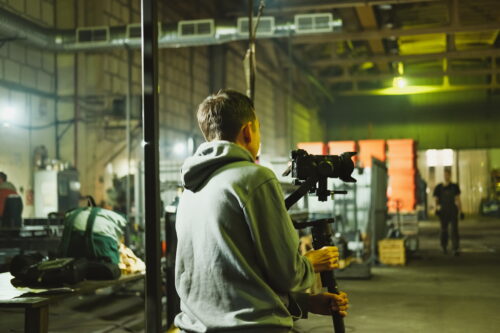
One of the biggest misconceptions about how to film a movie is that they’re done entirely on set.
Actually, most movies are made long before the camera starts rolling.
Professional filmmakers often spend months planning scripts, setting budgets, finalizing schedules, choosing locations, and making casting decisions before production begins.
By the time filming starts, the creative elements and logistics should already be locked down.
The movie production process is generally divided into three phases: pre-production, production, and post-production.
Pre-production is where ideas become plans.
Production is the filming stage.
Post-production is where the movie truly comes together.
Every movie you’ve ever watched, whether it’s a blockbuster franchise, a film adaption, or a five-minute short film, follows a version of this workflow.
How long does it take to make a movie?
One of the most common questions filmmakers ask is how long does it take to make a movie?
The answer depends on the type of project you’re creating.
| Project Type | Typical Timeline |
| Short Film | 1-6 months |
| Documentary | 3-12 months |
| Indie Feature | 6-24 months |
| Studio Feature Film | 1-5 years |
Filming is often the shortest part of the process.
A filmmaker might spend three months planning, two weeks shooting, and another three months editing and finishing the project.
Step 1: Start with the right idea
If you’re learning how to make your own movie, you might think you need a completely original concept.
But some of the most successful films are built on familiar ideas presented through a unique perspective.
The best movie ideas sometimes come from everyday life:
- A personal experience.
- A historical event.
- A newspaper article.
- A strange conversation.
- A family story.
- A problem happening in your community.
But having an idea isn’t enough.
You also need a reason for audiences to care.
Think about your favorite films.
The genres may be completely different, but they’re all built around something important being at risk.
Conflict creates tension that moves the story forward in movie production.
Step 2: How to make your own movie script
A screenplay is the foundation of every film.
Most films follow a three-act structure.
Act One introduces the characters, the world, and the central conflict. Act Two increases the challenges and forces characters to make difficult choices. Then, Act Three delivers the climax and resolution.
Modern screenwriting tools like Final Draft, Celtx, WriterDuet, and Arc Studio are popular choices for independent filmmakers and first-time writers.
While writing the script, it’s also time to start thinking about your movie budget.
One of the biggest questions filmmakers ask is how much does it cost to make a movie?
How much does it cost to make a movie?
| Type | Typical Budget |
| Short Film | $500-$10,000 |
| Indie Feature | $10,000-$500,000 |
| Professional Feature | $500,000+ |
Typical filming costs include cast, crew, equipment rentals, locations, post-production, music licensing, and marketing.
So, before you start filming, you’ll need a pre-production plan.
How to make your own film: Pre-production
Pre-production includes creating shooting schedules, scouting locations, obtaining permits, organizing equipment, developing shot lists, and creating call sheets for cast and crew.
Storyboards help filmmakers visualize scenes before cameras roll, allowing directors and crew members to understand the creative vision before arriving on set.
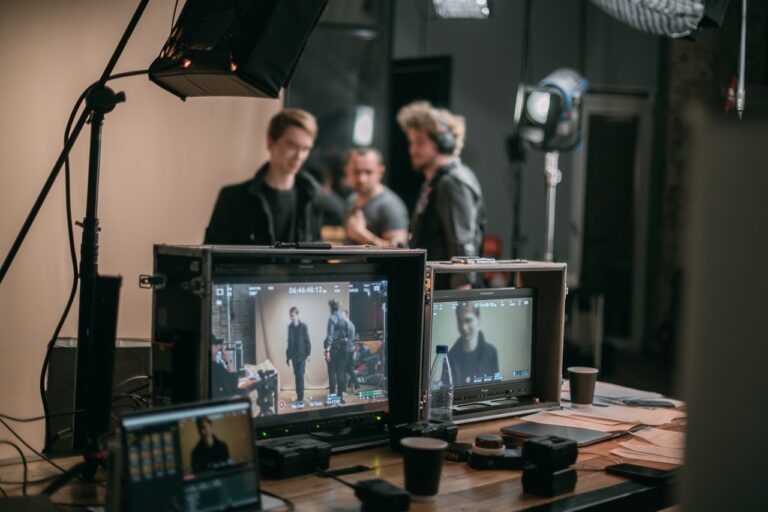
Step 3: How to film your own movie with a crew
Movies aren’t made by equipment. They’re made by talented individuals working together toward a shared vision.
Casting is one of the most important decisions you’ll make during the movie production process because the right actor can elevate a scene beyond what was written on the page.
Films also rely heavily on voice talent during post-production.
Documentaries need narration, animated sequences need character voices, and almost all films require dubbing or ADR.
This is where professional voice actors can make a significant difference.
Voice123 helps filmmakers find experienced voice actors for any audiovisual production. Search professional voice actors today to find the right talent for your project.
How to film your own movie with the right equipment
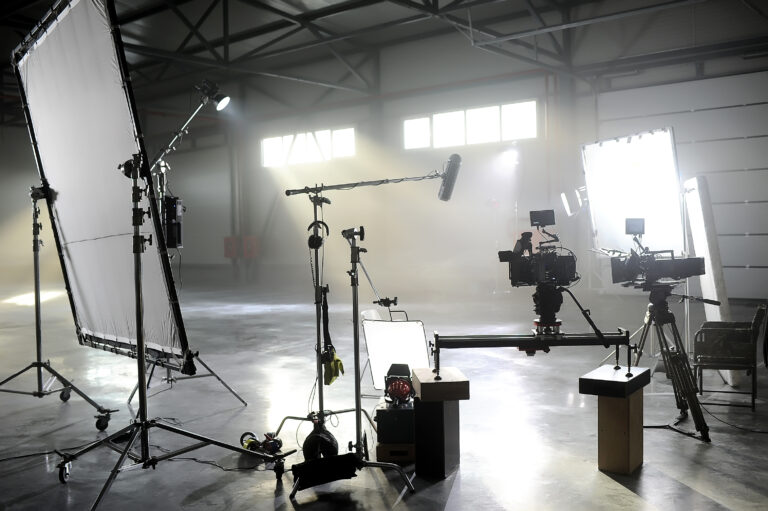
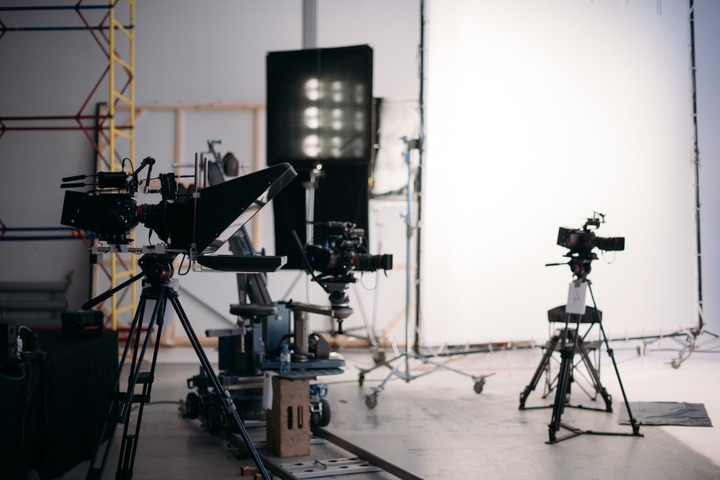
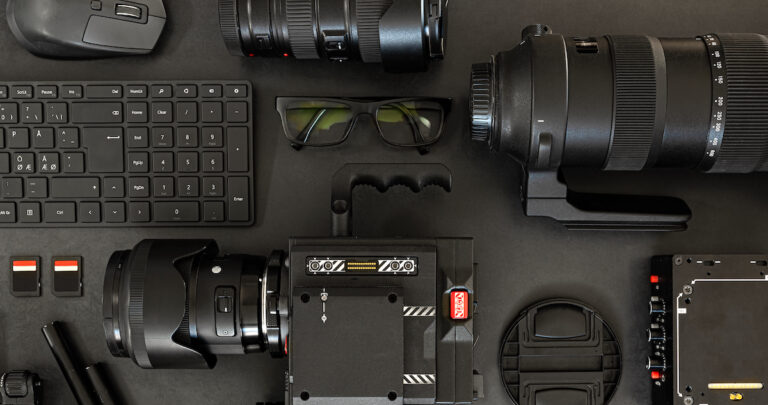
Here are some of the filmmaking tools you’ll need:
- A camera
- Audio recording equipment
- Lighting
- Stabilization tools
- Storage and backup systems
You’ll also need a small team, even if you’re working on a tight budget.
Most productions rely on several key roles:
Step 4: How to film a movie
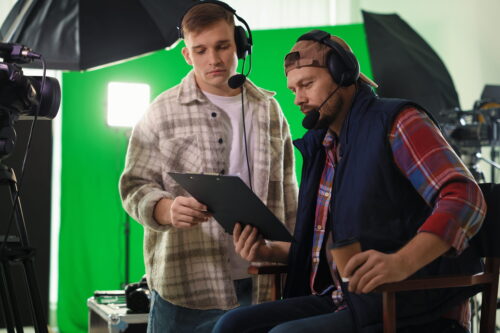
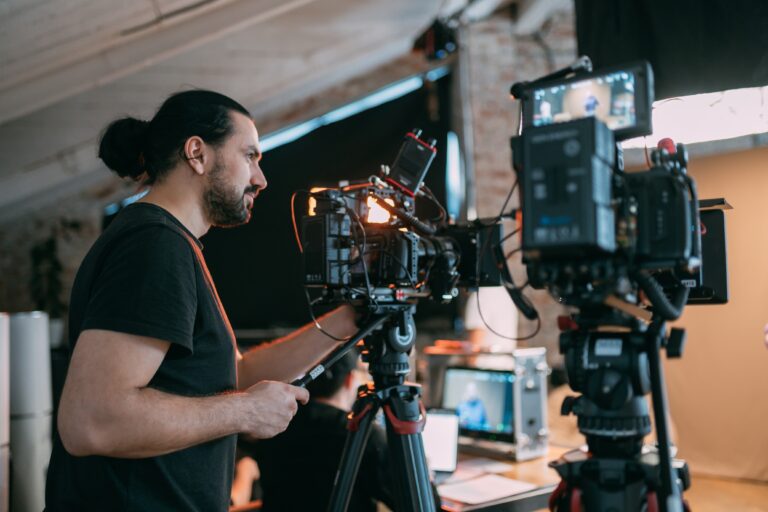
This is the stage most people imagine when they think about filmmaking.
The cameras start rolling, and the vision you’ve been developing for weeks or months is finally about to become a reality.
But filming a movie rarely goes exactly as planned.
Weather changes, equipment fails, actors may get sick, and scenes can take longer than expected.
That’s why preparation matters so much.
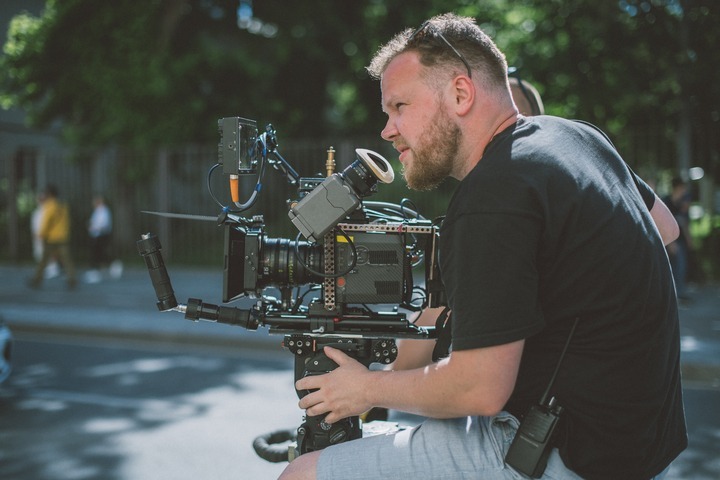
If you’re learning how to film your own movie, focus on a few fundamentals.
1. Follow the shooting schedule whenever possible, but remain flexible when circumstances change.
2. Capture more footage than you think you’ll need.
3. Record room tone and ambient sound.
4. Always shoot multiple takes, even when the first one seems perfect.
One of the biggest mistakes beginner filmmakers make is not capturing enough coverage.
Coverage refers to additional camera angles, shot variations, and B-roll that give editors flexibility during post-production to create a dynamic final edit.
Remember that filmmaking is a collaborative process.
Some of the best moments in movies happen because directors remain open to ideas from actors, cinematographers, and crew members.
Step 5: How to make a film and edit it
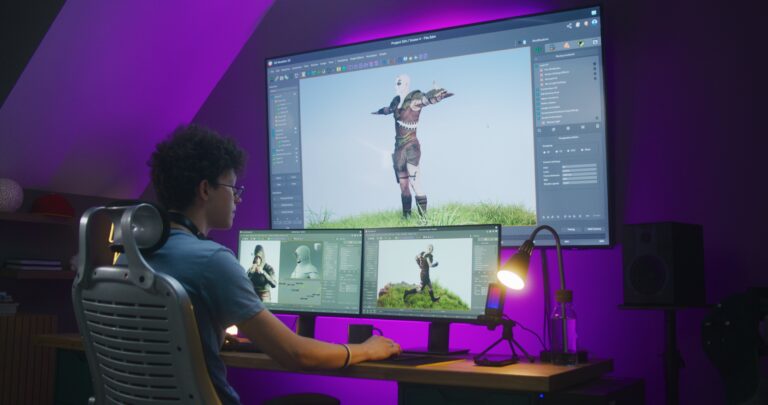
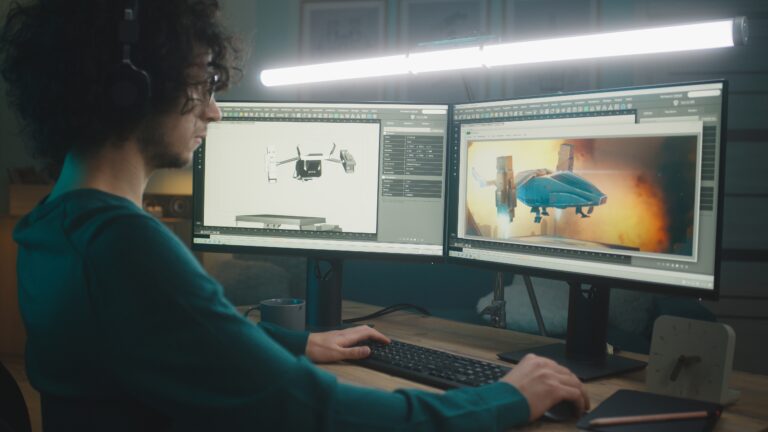
The editing process starts by organizing footage and creating a rough cut.
This first version often looks nothing like the final film. Scenes may feel too long, transitions may feel awkward, and pacing issues become immediately apparent.
That’s normal.
Because editing is a process of refinement.
With each revision, the story becomes clearer and more effective.
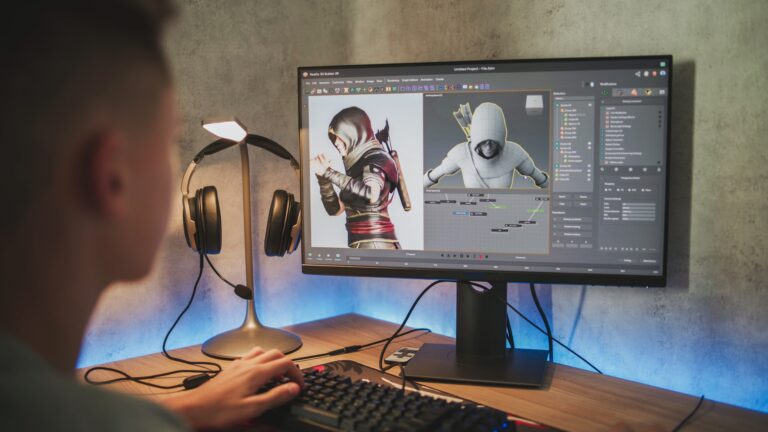
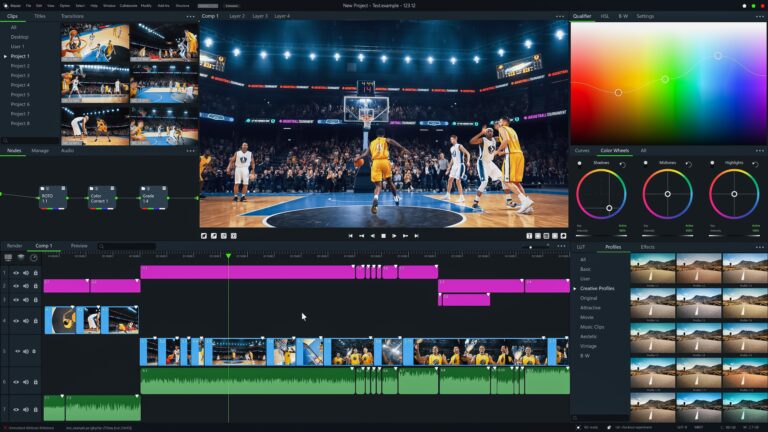
Modern video editing software has made this process more accessible than ever. Here are some tools to help you learn how to film your own movie.
| Task | Recommended Tools |
| Writing | Final Draft, Celtx |
| Storyboarding | Storyboarder |
| Editing | Premiere Pro, DaVinci Resolve |
| Audio | Audition, Pro Tools |
| Voice casting | Voice123 |
As post-production continues, editors work alongside sound designers, composers, colorists, and voice actors to complete the film.
This is also where AI starts to influence the filmmaking workflow.
AI movie maker tools for filmmaking
AI movie maker technology has evolved rapidly over the last few years, and it’s changing how movies are planned, edited, and produced.
Today’s most popular AI movie maker tools include:
These platforms can assist with everything from video generation and background removal to transcription, AI localization, and rough editing.
For example, AI can automatically generate subtitles, remove unwanted objects, and accelerate post-production workflows.
But AI doesn’t replace storytelling.
A compelling movie still requires strong characters, creative direction, and authentic performances.
AI movie maker tools can help automate repetitive tasks so filmmakers can spend more time focusing on the story itself.
How to make a movie with the right audio elements
Audio is one of the most powerful storytelling tools available.
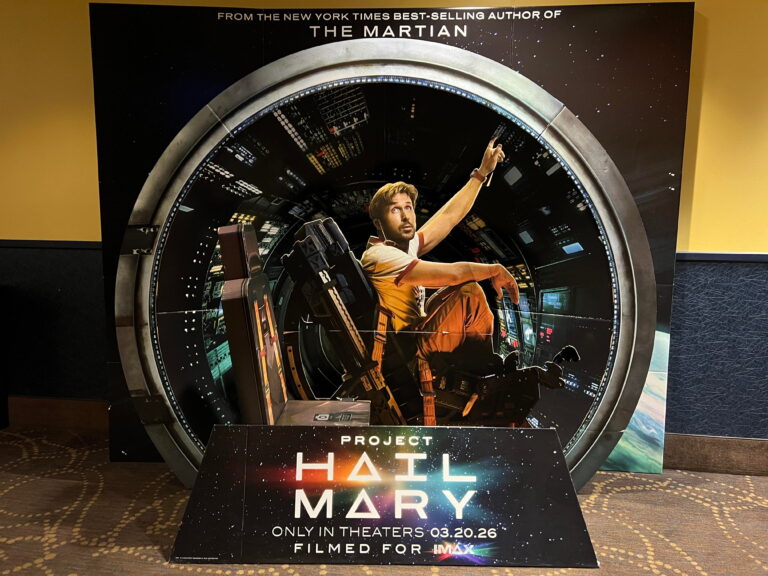
Think about some of the latest blockbuster hits like The Odyssey or Project Hail Mary. The music, sound effects, dialogue, and ambient sounds often contribute just as much to the emotional experience as the visuals.
Strong post-production audio includes:
- Dialogue cleanup
- Sound effects
- Ambient sound design
- Music
- ADR
- Narration
ADR is especially common in filmmaking. Background noise, technical issues, or performance adjustments may require actors to re-record dialogue after production.
Voice actors are also essential for narration and multilingual dubbing.
Voice123 provides access to experienced voice actors who can help bring your film to life. Post your next filmmaking project today!
How to make a film and promote it
Distribution is the final stage of filmmaking.
Film festivals remain one of the best ways to gain industry exposure and connect with audiences.
YouTube provides immediate global distribution and is a great platform for sharing movie trailers.
Instagram Reels and TikTok ads are better for behind-the-scenes looks, exclusive clips, and interviews with actors.
Streaming platforms like Amazon Prime Video and Netflix are also creating opportunities for independent filmmakers.
The most effective promotion strategies for how to make a movie usually include a mix of:
- Trailers
- Teasers
- Behind-the-scenes content
- Interviews
- Press outreach
- Social media campaigns
How to make a short movie
If you’re completely new to filmmaking, here’s some advice to help you get started in the industry:
Learn how to make a short movie
Short films teach every major filmmaking skill from storytelling to directing without requiring years of work or massive budgets.
The best beginner short films are usually:
- Under 10 minutes
- Limited to one or two locations
- Built around a small cast
- Focused on a single conflict
- Easy to schedule and edit
Final Thoughts
Learning how to make a movie can feel overwhelming because there are so many moving parts, like scripts, budgets, casting, marketing, and distribution.
But every movie starts with an idea. So, whether you’re creating your first short film, experimenting with AI movie maker tools, or planning an independent feature, the movie production process is the same.
Good planning, strong storytelling, quality production, and memorable performances.
Voice123 can help you find experienced voice actors for every stage of the filmmaking process.
Post your next project today or use Voice123 Enterprise for complete project management.
FAQs
Beginners make a movie by developing an idea, writing a script, creating a budget, planning production, filming scenes, editing footage, and distributing the finished project.
The seven major stages are development, pre-production, budgeting, casting, production, post-production, and distribution.
A short film can cost anywhere from a few hundred dollars to several thousand. Independent feature films often range from $10,000 to $500,000 or more, depending on complexity and production requirements.
Most filmmakers need a camera, audio recording equipment, lighting, editing software, and storage solutions. Check this guide on filmmaking hacks to learn how to make a movie while saving time and money.
A short film may take one to six months, while documentaries and feature films can take anywhere from several months to multiple years.
The first step is to develop a strong idea with clear conflict, compelling characters, and emotional stakes that support an engaging story.