
Some of the highest-grossing movies in the world wouldn’t have been possible without VFX. But what is VFX, and how do you use it the right way? Especially when you don’t have a Hollywood-level budget
At Voice123, we know that audiences expect high-quality visuals, whether it’s an animated superhero movie or an Instagram Reel.
So, what is VFX? What are visual effects in movies, and what’s the difference between VFX vs CGI?
What is VFX?
VFX (Visual Effects) is the process of creating or editing imagery and footage that would be impossible, dangerous, expensive, or impractical to film in real life.
Visual effects help creators build unique worlds, enhance reality, and create memorable experiences for audiences.
Common examples include:
- Explosions
- Fantasy creatures
- Space scenes
- Virtual environments
- Weather effects
- Product visualizations
- Digital crowds
If you’ve ever watched a movie, commercial, or YouTube video and wondered, “How did they film that?” there’s a good chance visual effects were involved. But what’s the difference between VFX vs CGI and other types of VFX software?
| Term | VFX Meaning |
| VFX | Visual Effects |
| CGI | Computer Generated Imagery |
| SFX | Practical Special Effects |
| Compositing | Combining multiple visual elements into one shot |
What does VFX mean?
The VFX meaning stands for Visual Effects, and it includes the digital enhancements added to footage during or after filming to create imagery that can’t be captured by a camera.
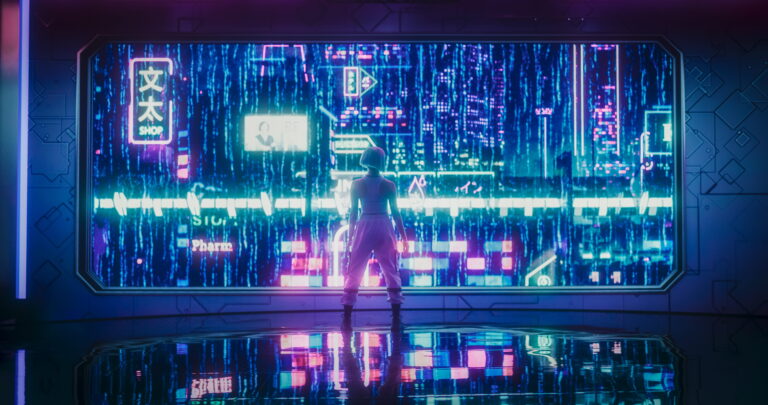
Think about a dragon flying across the sky, a futuristic city appearing behind an actor, or a smartphone commercial showing animated data flowing through the screen. All these elements are created during the VFX production process.
Visual effects in movies help filmmakers tell bigger stories while staying within budget and safety constraints. Instead of building an entire alien set or shutting down a city block for an explosion scene, a VFX artist can create those elements digitally.
How does VFX work?
The VFX production process happens across three stages.
Step 1: Pre-production planning
VFX Production teams use storyboards, concept art, and shot planning to determine which scenes require visual effects and how those effects will be created.
This planning stage helps avoid expensive retakes later in production.
Step 2: Production
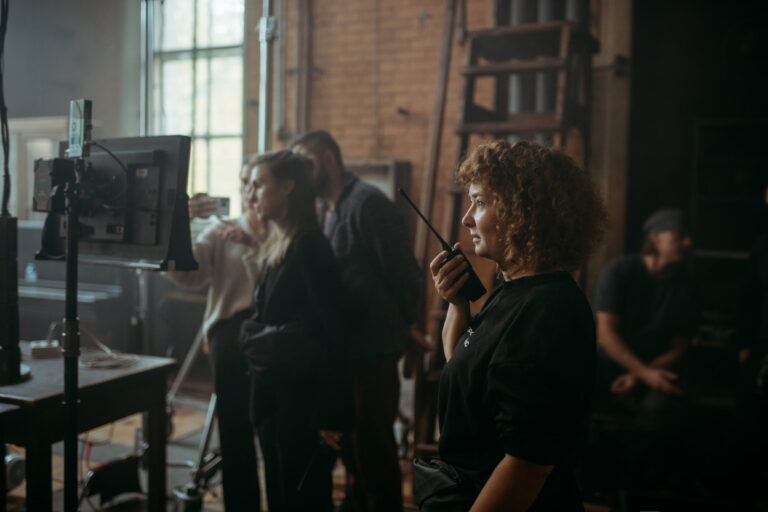
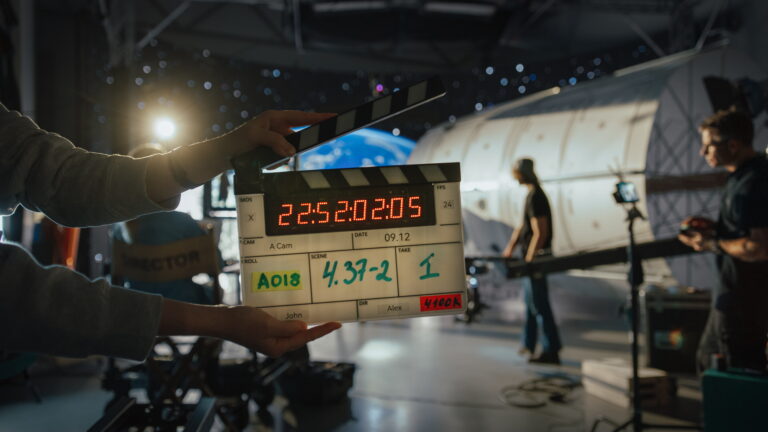
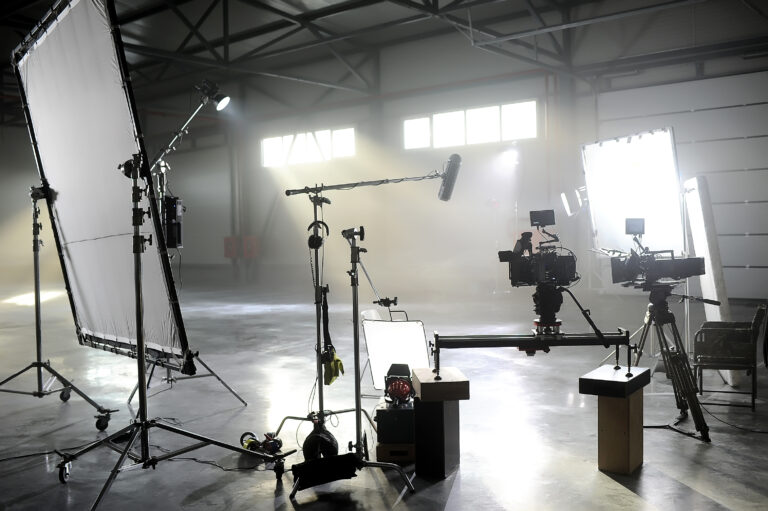
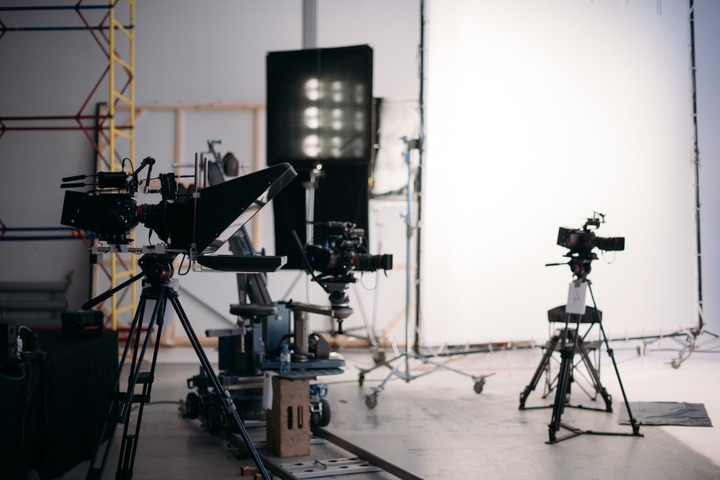
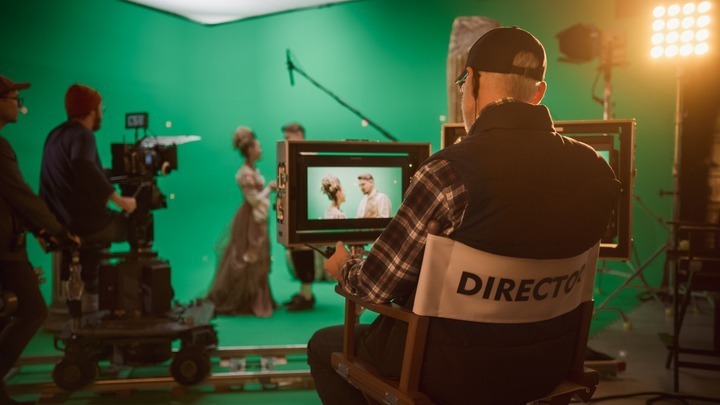
Filming crews capture footage specifically designed for VFX in film.
This usually involves:
- Green screens
- Blue screens
- Motion tracking markers
- Camera tracking systems
- HDR lighting references
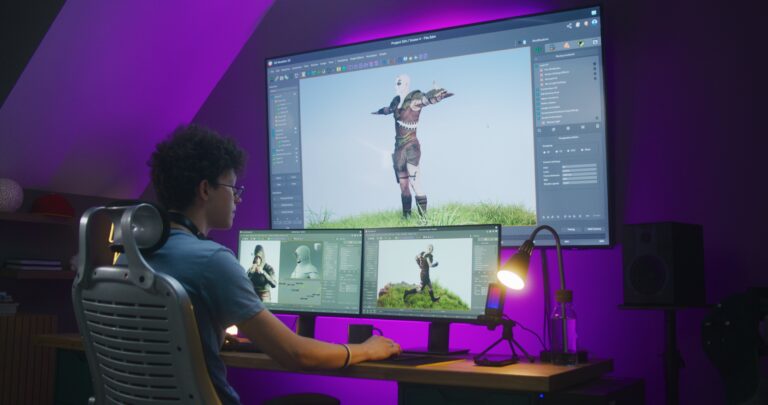
Actors can perform in front of a green screen, and a VFX artist can add a new background later.
Motion tracking allows VFX artists to match digital elements to specific camera movements, making the effects more realistic.
Step 3: Post-production
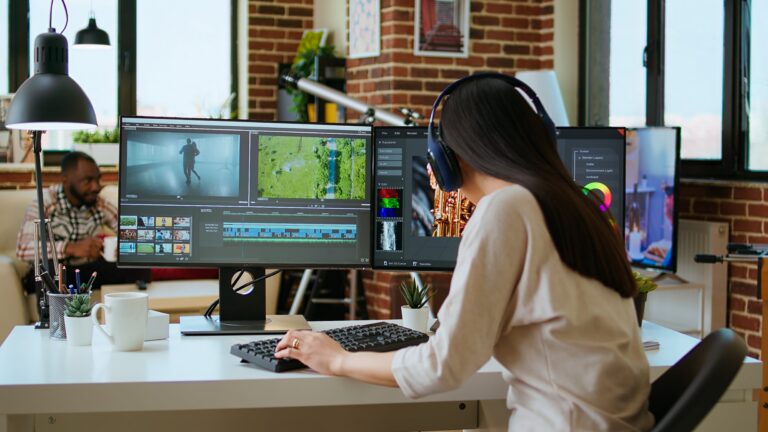
During post-production, VFX artists combine live-action footage with digital assets and enhancements that usually include:
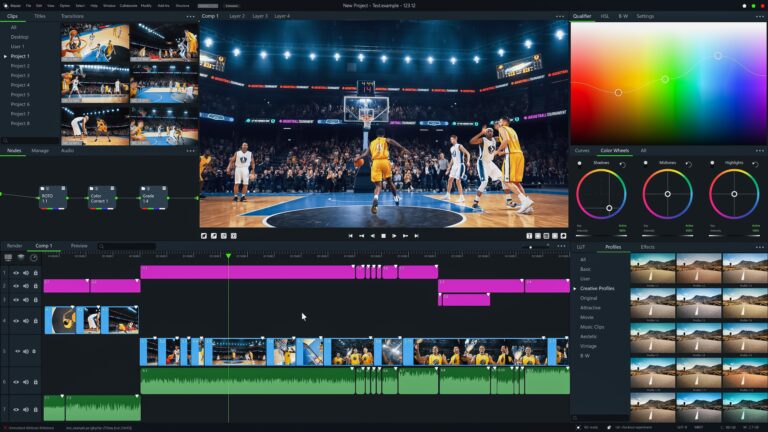
- Compositing
- Animation
- CGI creation
- Particle simulations
- Rendering
- Color grading
When audiences see the final version, the visual effects should be completely natural and invisible.
VFX vs CGI: What’s the difference?.
What is CGI?
CGI stands for Computer-Generated Imagery. It’s the digital assets created entirely on a computer like:
- Cartoon characters
- 3D animation
- Digital buildings
- Virtual landscapes
- Creature animation
What Is VFX?
VFX is the broader category that includes all the techniques used to enhance or alter footage.
This means CGI is only one part of visual effects.
How does VFX vs CGI work?
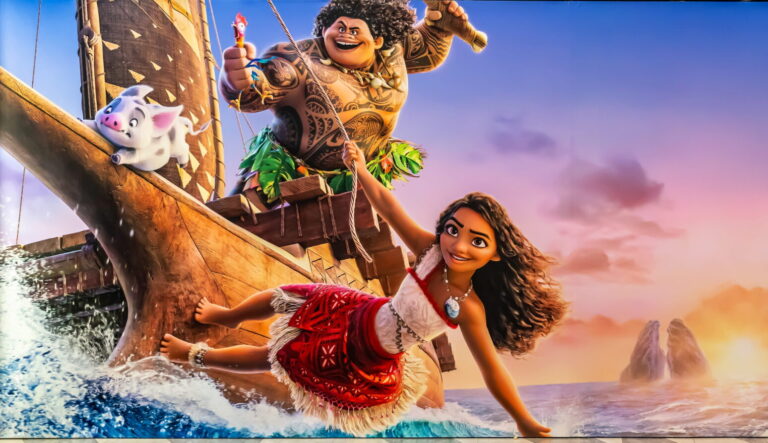
A movie might use CGI to create a dragon and visual effects to integrate that dragon into a live-action scene.
| VFX | CGI |
| Broader category | Specific technique |
| Includes compositing | Digital asset creation |
| Includes practical integrations | Fully computer-generated |
| Combines live-action and digital elements | Creates digital elements |
Common types of VFX production
Compositing combines multiple layers of footage into a single shot. This technology enables an actor filmed on a green screen to be placed inside a futuristic city.
Green screen visual effects allow creators to replace backgrounds with virtually anything imaginable. They’re mainly used in films, commercials, and video productions.
Motion capture records human movement and transfers it to digital characters. This technique helped bring characters like Gollum and Thanos to life.
Digital matte painting helps artists create massive digital environments that would be impossible to build physically.
This is used to create futuristic landscapes for films and video games.
3D Animation can create realistic models of products, people, or environments that can be animated for films, product demos, commercials, and even animated explainer videos.
Particle Effects and simulations are used to create natural elements for special effects like:
- Fire
- Smoke
- Rain
- Dust
- Sparks
- Explosions
Crowd simulation enables artists to create realistic digital crowds instead of hiring thousands of extras.
Virtual production combines real-time graphics with live-action filming, allowing filmmakers to see digital environments while shooting.
Famous VFX examples in movies
James Cameron’s Avatar revolutionized motion capture and digital world-building.
The entire planet of Pandora was created through advanced CGI and VFX production techniques.
The Avatar characters were filmed using advanced motion capture techniques, in which each actor wore a special suit to capture their movements and facial expressions.
Marvel combined practical effects, CGI, and compositing to create one of cinema’s largest battles.
The final battle alone featured dozens of superheroes, thousands of digital characters, and visual effects that had to blend live-action performances with CGI elements.
Creating 25 minutes of film required a team of 600 VFX artists working for over a year
Steven Spielberg’s iconic film proved that CGI could create realistic living creatures. Released in 1993, the film combined groundbreaking digital effects with animatronics to bring dinosaurs back to life on screen.
The result was a visual experience so convincing that it redefined audience expectations for visual effects in movies.
Peter Jackson’s The Lord of the Rings trilogy pushed VFX production to new heights by creating massive fantasy worlds, epic battles, and thousands of digital characters.
One of the trilogy’s biggest achievements was the development of MASSIVE, a crowd-simulation system that enabled filmmakers to generate entire digital armies for battle scenes.
The team blended sets, real-world locations, miniatures, and digital enhancements to create the deserts of Arrakis, colossal spacecraft, and the iconic sandworms.
Many viewers never realized how much of the film was digitally enhanced because the visual effects in movies were designed to feel completely natural.
What is VFX beyond Hollywood?
Commercial advertising: Brands use visual effects to showcase products in creative ways, like floating product shots, dynamic transitions, and animated characters.
YouTube videos: Short-form content creators take inspiration from the visual effects in movies to enhance production value and grab attention in the first few seconds.
Product demonstrations: Software companies use visual effects to illustrate complex features and workflows in explainer video production.
Corporate training videos: Organizations use visual effects to improve engagement and information retention.
Need a professional voice to complement your visual effects project?
Voice123 helps you find experienced voice actors for films, commercials, explainer videos, game cinematics, and branded content.
Hire professional voice actors today!
What does a VFX artist do?
A VFX artist creates and integrates visual effects into video projects.
Their goal is to make digital elements feel believable and enhance the story.
Key Responsibilities
- Creating visual assets
- Tracking camera movement
- Compositing shots
- Animating elements
- Color matching
- Rendering final scenes
Successful VFX artists are also experts in graphic design, animation, lighting, and photography. They also need experience with software tools and soft skills like creativity and problem-solving.
VFX artist roles in a VFX production team

Compositor — combines visual elements.
Animator — creates movement.
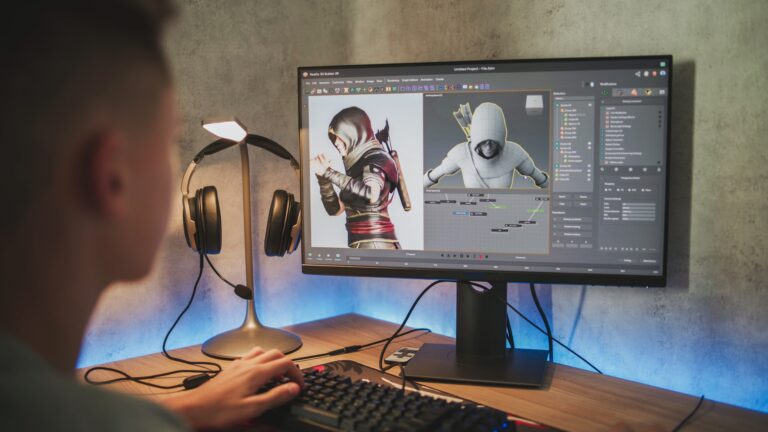
Modeler — builds 3D objects.
Matchmove Artist — tracks camera motion.
Technical Director — manages technical workflows.
Visual Effects Supervisor — oversees the entire visual effects process.
What is VFX software?
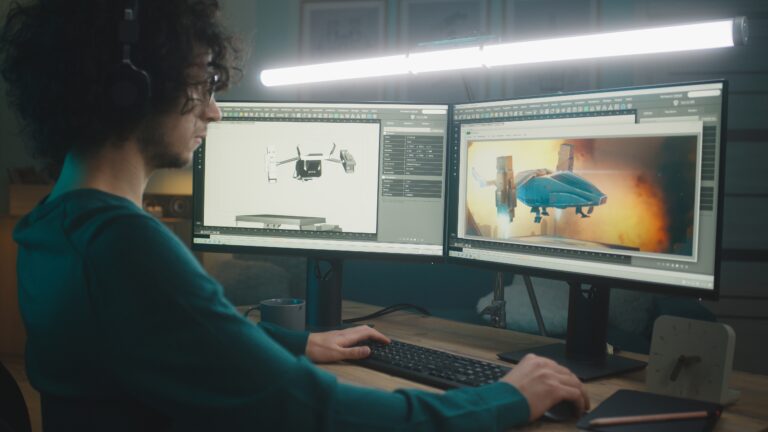
Visual effects professionals rely on specialized VFX software. Here’s a quick overview of the most popular VFX software and tools.
| Software | Best For | Beginner Friendly |
| Adobe After Effects | Motion graphics and compositing | Yes |
| Blender | 3D animation and modeling | Yes |
| Autodesk Maya | Professional 3D production | Moderate |
| Houdini | Simulations and effects | No |
| Nuke | High-end compositing | No |
| Unreal Engine | Real-time rendering and virtual production | Moderate |
How much does VFX cost?
Indie projects
Simple visual effects may cost a few hundred dollars per shot.
Examples:
- Motion graphics
- Basic compositing
- Product visualizations
Commercial productions
High-end advertising campaigns like the Super Bowl commercials often invest thousands of dollars in VFX production.
Examples:
- Product launches
- Brand videos
- TV commercials
Hollywood Films
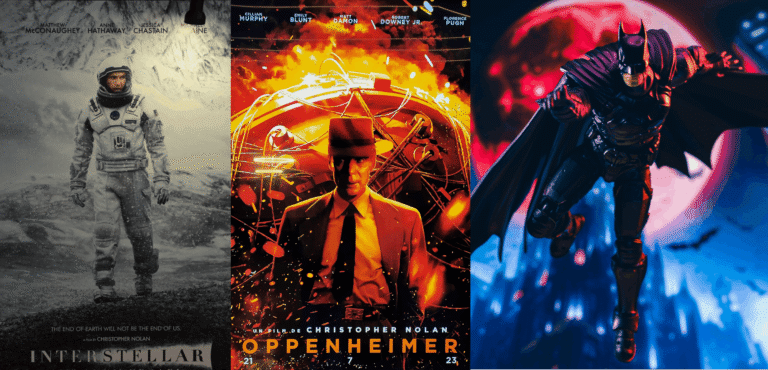
Large-scale productions may spend millions on visual effects. Superhero franchises like Marvel and DC rely heavily on visual effects to create superpowered fight scenes.
Sci-fi visual effects in movies, such as futuristic cities, aliens, or complex space scenes, also cost more due to render time and the number of revisions needed.
The more custom work required, the higher the cost.
What are the latest trends in VFX production?
AI-Assisted visual effects: AI tools are accelerating repetitive production tasks and improving workflows.
Real-time rendering: Artists can now see final-quality visuals instantly, which eliminates the need for multiple revisions.
Virtual production: LED stages and game-engine technology allow filmmakers to use digital environments while shooting live-action footage.
LED volume technology: LED walls create realistic digital environments in-camera. This digital environment was used in season one of The Mandalorian, and it has become a popular way of adding VFX in film.
Final Thoughts
So, what is VFX?
Visual effects are the techniques used to create, manipulate, or enhance imagery beyond what was captured by a camera.
The goal is to break the boundaries of traditional filming equipment, so creators are limited only by their imagination.
And when powerful visual effects are paired with professional voice over, the result is a story that connects with audiences on a deeper level.
Need a voice to bring your next project to life? Voice123 helps you find experienced voice actors for everything from films and video games to commercials.
Post your next project today or use Voice123 Enterprise for complete project management.
FAQs
It stands for Visual Effects, and it refers to the process of creating or editing imagery to produce scenes that would be impossible to film in real life.
CGI is a specific type of computer-generated imagery that creates digital objects and environments. VFX is the broader category that includes CGI and other visual enhancement techniques.
No. Animation is only one component of visual effects. Visual effects include techniques beyond animation, such as compositing, green-screen work, motion tracking, and digital environment creation.
Popular VFX software includes Adobe After Effects, Blender, Autodesk Maya, Houdini, Nuke, and Unreal Engine.
Small projects may cost a few hundred dollars, while major advertising campaigns and Hollywood productions can require budgets ranging from thousands to millions of dollars.
Yes, visual effects software is now accessible to all businesses that want to use motion graphics, product animations, virtual environments, and visual enhancements in video marketing content.