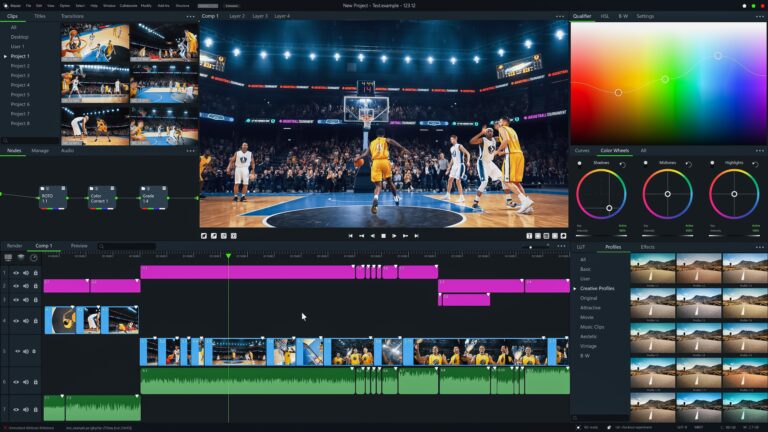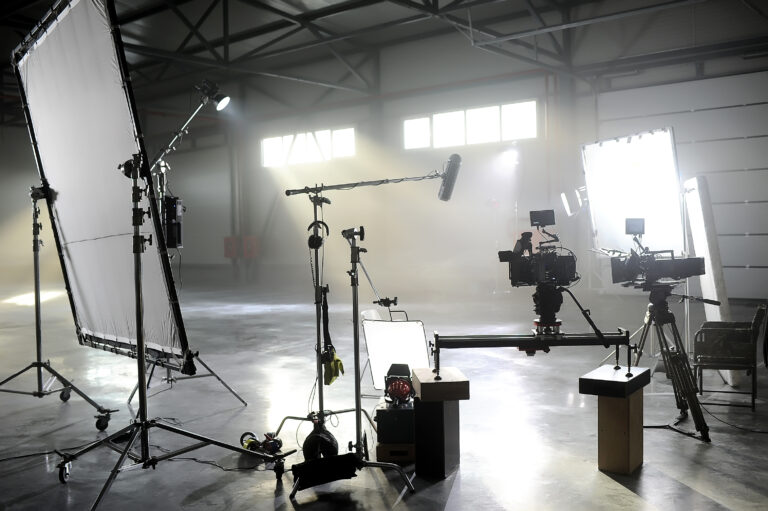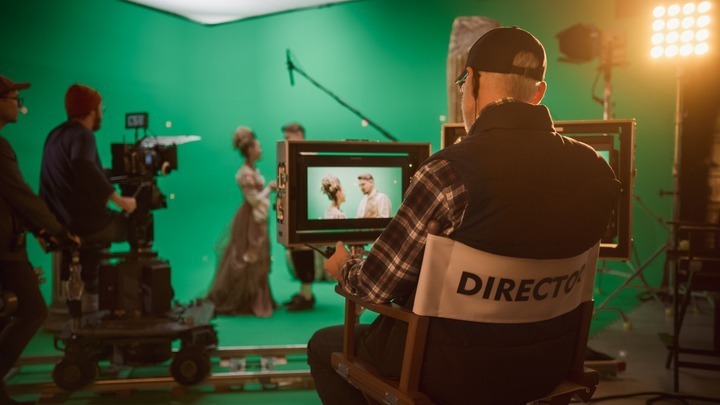
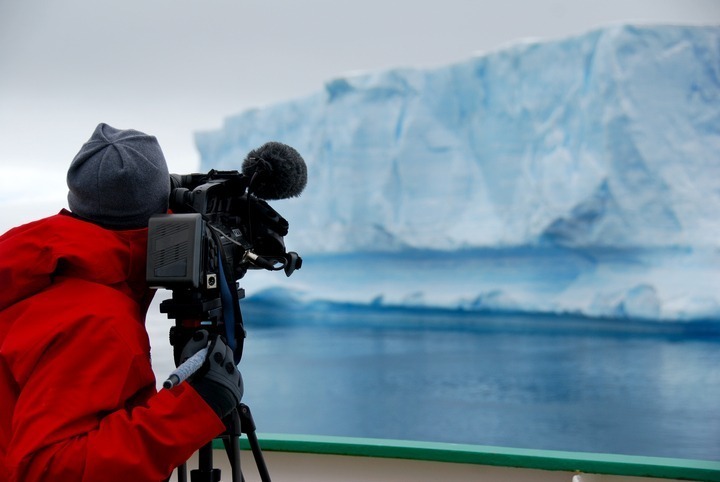
Types of documentaries aren’t just about visuals. At Voice123, where you’ll find voice actors for all documentary genres, we know that whether you’re producing a hard-hitting investigative piece or a poetic reflection on nature, having the right narration voice actor can make or break the impact of your story. So, let’s break down the different types of documentaries, their genres, and the storytelling styles that keep viewers hooked.
What is a documentary?

A documentary is a nonfiction film that captures real events, people, or issues through a creative lens. While rooted in truth, different documentaries are far from dry recordings. They blend storytelling, voice-over narration, and cinematic techniques to craft compelling narratives that inform, inspire, or provoke debate. A documentary film typically includes interviews, archival and observational footage, voice over narration, or other filmmaking techniques that provide audiences with unique insights. Some documentary genres incorporate reenactments, animation, text overlays, music, and visual effects to enhance storytelling.
The different types of documentaries
- Observational
- Poetic
- Expository
- Participatory
- Performative
- Reflective
1. Observational types of documentaries
Observational types of documentaries adopt a fly-on-the-wall approach. Filmmakers observe and capture real-life events without interfering or directing the subjects. The aim is to present the subject matter with authenticity. Examples are:
- High School (1968): Documents the lives of Philadelphia high school teachers and students.
- Hoop Dreams (1994): Explores the dreams and struggles of high school basketball players in Chicago.
2. Poetic types of documentaries
A poetic documentary film uses imagery, metaphors, and symbolism to explore themes lyrically and subjectively. It’s one of the types of documentary that prioritizes visual storytelling over verbal exposition. Examples are:
– Sans Soleil (1983): A meditation on memory and cultural differences.
– Baraka (1992): A stunning exploration of human culture and spirituality.
3. Expository types of documentaries
An expository documentary film informs and educates audiences about specific topics by presenting facts, arguments, or explanations. They rely on voice over narration, interviews, statistics, and archival footage. Examples are:
– An Inconvenient Truth (2006): Al Gore’s presentation about climate change.
– Blackfish (2013): The controversial treatment of SeaWorld’s killer whales.
4. Participatory types of documentaries
In these productions, the filmmaker directly interacts with the subject, becoming part of the story through immersive portrayals. It’s one of the types of documentary that blurs the lines between observer and participant. Examples are:
– Super Size Me (2004): A filmmaker eats McDonald’s for 30 days.
– The Act of Killing (2012): The Indonesian death squad leaders.
5. Performative types of documentaries
A performative documentary film incorporates the filmmaker’s personal perspective, experiences, or narrative journey as a central character. It’s one of the types of documentaries that explores how a filmmaker’s presence shapes the audience’s understanding of the subject. Examples are:
– Fahrenheit 9/11 (2004): The Bush Administration’s response to 9/11.
– Tarnation (2003): Explores a director’s troubled home and family life.
6. Reflective types of documentaries
These examine the filmmaker’s thoughts, feelings, and insights about subjects or experiences. They involve self-reflection and a critical examination of personal perspectives. Examples are
– Cameraperson (2016): Footage from a filmmaker’s different projects.
– 13th (2016): Examines systemic racism and mass incarceration in the U.S
What are the main documentary genres?
Documentary genres define what is a documentary and determines the best audience for the different types of documentaries. The main documentary genres are:
- Biographical: Spotlighting an individual’s life story.
- Historical: Reconstructing key events with footage, narration, and expert voices.
- Nature & Science: Exploring ecosystems, discoveries, or space exploration.
- Investigative: Exposing hidden truths, corruption, or scandals.
- Social & Political: Challenging issues that inspire awareness and action.
What are the different types of documentary styles?
- First-person narration: A personal voice guides the audience.
- Archival-driven style: Heavy use of past footage, photos, and documents.
- Interview-based style: The story unfolds through subject testimony.
- Re-enactment style: Scenes are reconstructed for dramatic clarity.
How to create different types of documentaries

- Pick a subject with meaning for your audience, whether current issues or historical significance.
- Research and collect historical data, conduct interviews, and gather relevant material.
- Write engaging documentary narratives with a clear beginning, middle, and end to make the information relatable to audiences.
- Plan your shots with a storyboard, location, and footage that creates visual appeal.
- Assemble a team of pros like video editors, writers, and producers to create engaging content.
- Hire skilled voice actors from Voice123 to add a professional and captivating voice to your documentary.
- Capture high-quality footage, like interviews, archival materials, and B-roll, to enrich your storytelling.
- Conduct interviews to add insight and expert opinions on your subject.
- Use filmmaking techniques, like lighting and camera angles, to produce visually stunning scenes.
- Edit for impact so your project has clarity and maximizes the informational and emotional effects.
- Promote your documentary at film festivals like the International Documentary Film Festival, on social media, or with online streaming platforms.
Final thoughts
So, what is a documentary? It’s a storytelling tool that uses truth as its foundation but has endless ways to build from there. From different types of documentaries, like expository and participatory, to distinct documentary styles and genres, the possibilities are as vast as the subjects they cover.
If you’re producing a documentary, don’t overlook the importance of voice. A documentary film with the right narrator can transform from informative to unforgettable. Work with the vocal professionals from Voice123 to help transform your best ideas into a complete project.
Get ready to challenge perspectives and change lives, one documentary film at a time.
FAQs
The six main types are expository, observational, participatory, poetic, reflexive, and performative.
Styles include narration-led, archival, interview-based, and re-enactment-driven.
Documentaries are nonfiction, but they can belong to multiple genres—like crime, history, or science—depending on the subject.
Netflix features a wide mix: true crime, nature, biography, social/political, and music documentaries.