AI Voices: Crafting the Future of Voice Over with Voice123
AI Voices: Crafting the Future of Voice Over with Voice123
Artificial intelligence (AI) has rapidly transformed the voice over and audiovisual industries, ushering in a new era of efficiency and innovation.
However, this has not come without significant drawbacks. The rise of AI-generated voices has sparked a wave of concern, as it threatens to displace human talent and creativity.
It’s also opened the door to a host of ethical and legal challenges. Deep fakes, pornography, unauthorized cloning, robocalls, and illegal usage are just the tip of the iceberg.
Thankfully, unions and other institutions like NAVA are working to pioneer the legislation needed for AI technology and content creators to coexist. But so should leading companies in the audio industry like Voice123. While we can not shape the laws, we can shape how this new technology is being used. After all, our mission has always been to craft the future of the voice over industry.
So, where is this industry heading? Most importantly, what are we doing to protect our voice over community while navigating this technological shift?
The Advancement of AI
AI voice technology has evolved from basic text-to-speech (TTS) systems to sophisticated voice cloning capabilities. Thanks to advancements in machine learning algorithms, AI can now mimic the subtleties of human speech with astonishing precision. While this is celebrated within the tech industry, it’s also sparked fear and uncertainty among creators.
In addition, the absence of clear ethical legislation fuels these concerns, leaving many voice actors fearful about their future.
Initiatives like the European AI Act represent a positive step forward, providing the first legal framework. However, it’s only a drop in the ocean compared to AI’s potential applications—and misapplications that are still largely unregulated.
Voice Over and the Threat of AI
The global impact of AI voices is undeniable. The 2023 SAG-AFTRA strike, the longest in history, underscored the urgency of this issue. Actors and voice actors fought to secure contracts that addressed AI’s growing role in their industry.
But just how fearful should content creators be?
If we go back a few years, innovations like smartphones, social media, and streaming services were also met with similar fears. Concerns over privacy, social interaction, and the fate of traditional media were real. Yet, these technologies enhanced global connectivity and revolutionized content consumption. So, while AI does pose a legitimate threat, it also has the potential to drive digital progress.
Ultimately, the real danger to the voice over industry isn’t AI itself—it’s how AI is developed and controlled.
Can AI disrupt the audiovisual industry?
Yes.
Can the right frameworks, best practices, and tools help us craft a future together in which AI enhances rather than replaces human talent?
Absolutely!
How Voice123 is Shaping the Future of Voice Acting
It’s clear the voice acting industry stands at a critical crossroads, with increasing gray areas and vital questions:
How do we protect voice actors’ rights? Who owns a voice once it’s digitized by AI? How can voice actors verify and safeguard their work?
That’s why we’re taking an activistic approach to shaping the future of voice over, prioritizing the rights and livelihoods of our voice actors.
That’s why we launched The Voice Authenticity Initiative!
Our first step in developing an audio content security system ensuring that voice actors can always own, access, and verify audio files.
Yes, we’re pioneering a new standard in audio security to empower creators to amplify and guarantee the authenticity of their digital content.
It all starts with Voice Credentials, an audio security tool that automatically generates a unique digital signature for every audio file uploaded to Voice123. This innovative tool has been rolled out to all voice actors’ profiles on Voice123, so go check your Voice123 proposal inbox.
In addition, we’ll be spotlighting the industry by showcasing TTS project data directly from Voice123 and the volume of signed audio files. We believe this transparency is crucial in building trust.
Every voice actor deserves to have their voice protected
So, yes, the future of voice over is under threat, and yes some things are still uncertain. But the threat is not the technology itself but rather how it is developed and who controls it.
This is why we’re taking proactive measures to give voice actors full control over their audio work and allow them to work with AI in a way that uses the technology to enhance rather than replace.
Technology powers efficiency, but it is art that harnesses this power to create something truly unique and profoundly human.
For more information on our Voice Authenticity Initiative, check out our FAQs or contact our team at help@voice123.com.

FAQs about Voice123’s Algorithms
Voice123 helps clients find the perfect voice for any project by utilizing two proprietary algorithms: match and search.
We’ve compiled a list of answers to questions you might have about these features, but feel free to reach out to us via help@voice123.com if you need more information.
Why do I receive project invites that don’t match my language or accent?
When you receive project invitations through the matching algorithm, it doesn’t differentiate between race or accents because that generates bias. Instead, the algorithm matches a voice actor’s gender, age, language, and delivery capabilities with the project requirements, so at times, you might receive project invites that don’t match your language or accent.
Why do I receive a lot of project invites after midnight?
Voice123 handles projects 24 hours a day, irrespective of time zones. So, as soon as projects are approved, processed by the system, and matched to your profile, invitations are sent to your inbox which is why you may receive invitations after midnight.
Ready to upgrade your membership?
Share this post!
A blog owner yourself? Relevant links to quality sites will help your performance on search engines. If your readers will benefit from the services or information on The Booth's Voice over Guide, please consider linking to this post or the guide itself.
How do Voice123’s Algorithms work?
When a client posts a project requiring auditions, our Matching Algorithm invites voice actors who best meet the client’s project criteria to submit a proposal. The Search Algorithm displays a voice actor’s most relevant audio samples after a client has typed general criteria into the Voice123 search engine – much like Google.
Here’s more info on how both these algorithms work.
What is the matching algorithm?
The purpose of this algorithm is to deliver the most suitable auditions for any given project.
How does it work?
Voice123 sends out invitations to voice actors to submit proposals for these projects in three stages:
- First stage – an actor’s profile preferences and the project requirements (such as language, voice gender, and recording capabilities).
- Second stage – a combination of a voice actor’s membership level and ranking score ( ‘likes’ their auditions have received from clients).
- Third stage – clients can ‘like’ the proposals that most closely meet their project criteria, and Voice123 then uses that feedback to determine an actor’s ranking score.
What is the search algorithm?
Voice123’s search functionality allows clients to search and book one – or several – voice actors from our widely diverse roster of over a million directly!
How does it work?
A client completes a project form with the criteria they need (such as voice styles, specific accents, specific quotes, or any keywords), and the results are then sorted by:
- First stage – the most relevant sample
- Second stage – all things being equal, the results are sorted by the membership level
Boost your voice over work opportunites with a paid Voice123 membership
First-time paying members are eligible for a discount
Voice actor misconceptions about our algorithms:
- Adding samples to a Playlist or changing keywords won’t impact (improve) a ranking score, but doing both will improve a voice actor’s chances of getting contacted or booked directly.
- A complete Profile will improve a voice actor’s chances of appearing in a client’s search results, which applies to the Voice123 platform and Google. Again, it won’t impact (improve) the ranking score; only the likes and proposal submissions received from clients will do that. It is, therefore, wise to ensure that submissions are the best they can be!
Still uncertain? Don’t hesitate to reach out to us at help@voice123.com
FAQ's
The algorithm matches gender, age, language, and delivery capabilities; however, it doesn’t differentiate between race and accents because that generates bias.
Project invitations are sent to your inbox as they are approved, processed by the system, and matched to your profile. The system handles projects 24 hours a day, irrespective of time zones.
Share this post!
A blog owner yourself? Relevant links to quality sites will help your performance on search engines. If your readers will benefit from the services or information on The Booth's Voice over Guide, please consider linking to this post or the guide itself.
FAQs about Voice123’s Voice Authenticity Initiative
FAQs about Voice123’s Voice Authenticity Initiative
Voice123’s Voice Authenticity Initiative was launched on March 4, 2024, to help secure voice actors’ audio files and enhance transparency in the audio industry.
This secure tool will allow voice actors to always own, access, and verify their datasets and audio files. It will also assist them to identify and track their work off-platform, protecting against potential abuse.
We’ve compiled a list of answers to questions you might have about this launch, but feel free to reach out to us via help@voice123.com if you need more information.
Does Voice123 own my voice?
No, you own your voice and always will. This is a protective policy to prevent the abuse of audio you upload on Voice123.
When will it be available?
The Voice Authenticity Initiative will have various phases of release. For now, the Beta Voice Credentials tool will be incrementally released to all voice actor’s profiles so keep an eye on your proposals inbox over the coming weeks.
How much does this cost?
Nothing! This service is free for all Voice123 members (both paid and Standard).
I don’t want this. Can I opt out?
Of course. We will simply delete the files on Voice123, which will also remove them from your profile.
Will this allow me to check if a particular audio file is mine?
Yes, in the short term, you can contact help@voice123 and share the file you want to verify. In the meantime, our team is creating a tool that enables you to verify it yourself.
NOTE: We expect many requests, and while this tool is programmatic, our support team is human. So, team members may take longer than usual to reply to these requests.
Where can I see my own voice ID?
At the moment, some tool features are still in production, but you’ll soon be able to add pertinent information to your voice signature.
Where can I access all my signed files?
As part of the Voice Authenticity Initiative, we’ve built VoiceCloud — your secure home for voice over files, right on your Voice123 profile. Think of it as your Google Drive for voice acting, built with protection in mind.
Effortlessly upload and share your audio files securely, knowing that every file added to VoiceCloud is automatically signed and protected through the Voice Authenticity Initiative. Your voice stays safe, verifiable, and uniquely yours — no extra steps required.
Can I edit my signature?
Yes, but not right now. We are launching this as is, but you will be able to add to your ID in the future and edit it in one of our future releases.
What is the CAI?
The Content Authenticity Initiative is a group of creators, technologists, journalists, and activists leading the global effort to address digital misinformation and content authenticity. They’re focused on promoting and providing an open, cross-industry approach to media transparency.
Will you tell me if an audio is fake?
No – the CAI does not make judgements about the content of audio, so we will not label content as fake or inauthentic. Instead, the standard enables creators to transparently share the details of how they created an audio. This way, an end user can access context around who, what, and how the audio was changed — then judge for themselves how authentic that audio is.
Where does CAI data live?
CAI data can either be embedded into the content file itself, or stored in Voice123’s Voice Credentials cloud, a public, persistent storage option for content attribution and history data. Publishing to this cloud will help keep your files smaller and make their Voice Credentials more resilient and recoverable.
What are “Voice Credentials?”
We refer to the CAI metadata associated with a piece of content as Voice Credentials. This is the metadata that shows people the attribution and provenance details behind all the ingredients used to make the final content. If something has Voice Credentials, it was most likely created or downloaded using CAI-enabled tools.
How do I add Voice Credentials to my audio files?
Voice Credentials (metadata in the form of a digital signature) will be automatically generated and added every time you upload an audio file on Voice123 as the tool is released incrementally to all Voice123 voice actor profiles.
Ready to upgrade your membership?
Share this post!
A blog owner yourself? Relevant links to quality sites will help your performance on search engines. If your readers will benefit from the services or information on The Booth's Voice over Guide, please consider linking to this post or the guide itself.
Protect your audio with Voice123’s Voice Authenticity Initiative
Protect your audio with Voice123’s Voice Authenticity Initiative
The Voice Authenticity Initiative is Voice123’s first phase in creating an audio content security system so that voice actors can always own, access, and be able to verify their datasets and audio files.
As the digital and AI content era evolves, we aim to set a new standard in audio security as we join The Content Authenticity Initiative to help all creators amplify and guarantee authenticity by securing all forms of their digital content.
Starting with the Beta Voice Credentials – an audio security tool that automatically generates a unique digital signature for every piece of audio uploaded on Voice123.
How does this affect you?
Every audio file you upload to Voice123 will be protected with your unique digital signature, which can be used to validate the provenance and ownership of each audio file and assist in identifying and tracking your work elsewhere, protecting against potential abuse.
How does it work?
We’ve been leveraging software advantages to generate a unique identifier for audio files that serves as a digital signature. This enables us to verify the original creator’s provenance and establish if the audio file was ever downloaded from Voice123. We refer to the metadata associated with a piece of audio content as Voice Credentials.
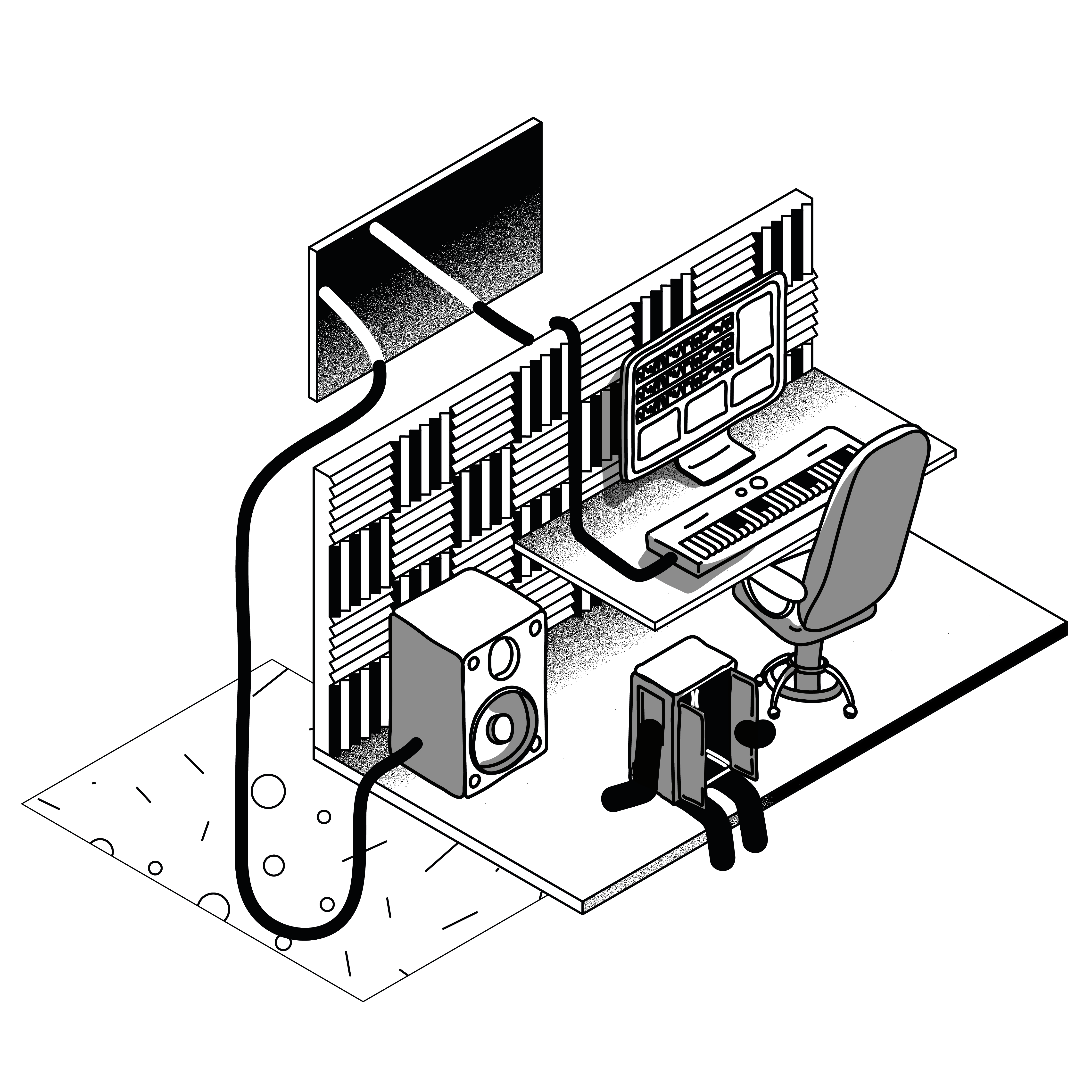
The process of signing the files digitally will happen automatically with every new piece of audio, which immediately creates a record of that audio file and links it to the provenance metadata on our secure servers.
On the verification tool, a user can upload audio, which will then reveal the provenance data and verify that the signature is valid, present, and hasn’t been tampered with.
The Voice Credentials pin

When your audio file is secured, you will be able to see the Voice Credentials pin. This means that Voice Credentials (metadata representing a digital signature) are attached! Simply click the pin to reveal more information about the content you’re listening to.
How it works
- Anytime a voice actor uploads a casting proposal, a booking recording, or a profile sample, Voice Credentials will be attached
- Voice Credentials are viewable across the internet
- Once the content is made available, anyone can view its Voice Credentials by clicking the pin, which reveals the most relevant information directly in context.
- Go deeper to explore the entire edit history
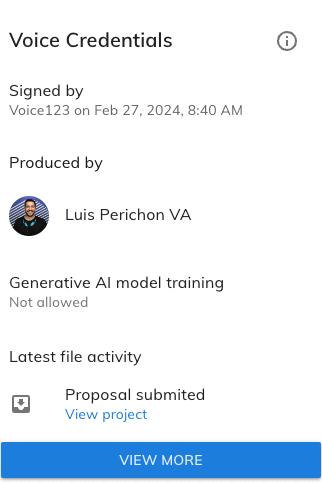
Voice Credentials can capture a detailed history of changes over time. The verify feature allows you to explore this information in depth and upload any content to see if it has Voice Credentials.
How does Voice Credentials facilitate audio security?
When a client downloads a signed file, the signature remains within the audio file. However, the signature can be removed or become invalid when someone attempts to edit or re-record that file.
If a voice actor comes across an audio file they suspect might be theirs, they can use the verification tool to check the provenance of that suspicious audio file.
If that file is signed, the signature will enable a voice actor to match it to the original.
If it’s not signed or the signature is invalid, the VoiceID is able to trace it back to the original, signed file.
What do you have to do?
Absolutely nothing!
Just continue auditioning and uploading your audio files, as always. All audio files will be automatically signed with your unique identifier by our Beta Voice Credentials tool
What if you want to verify if a file has been used without permission?
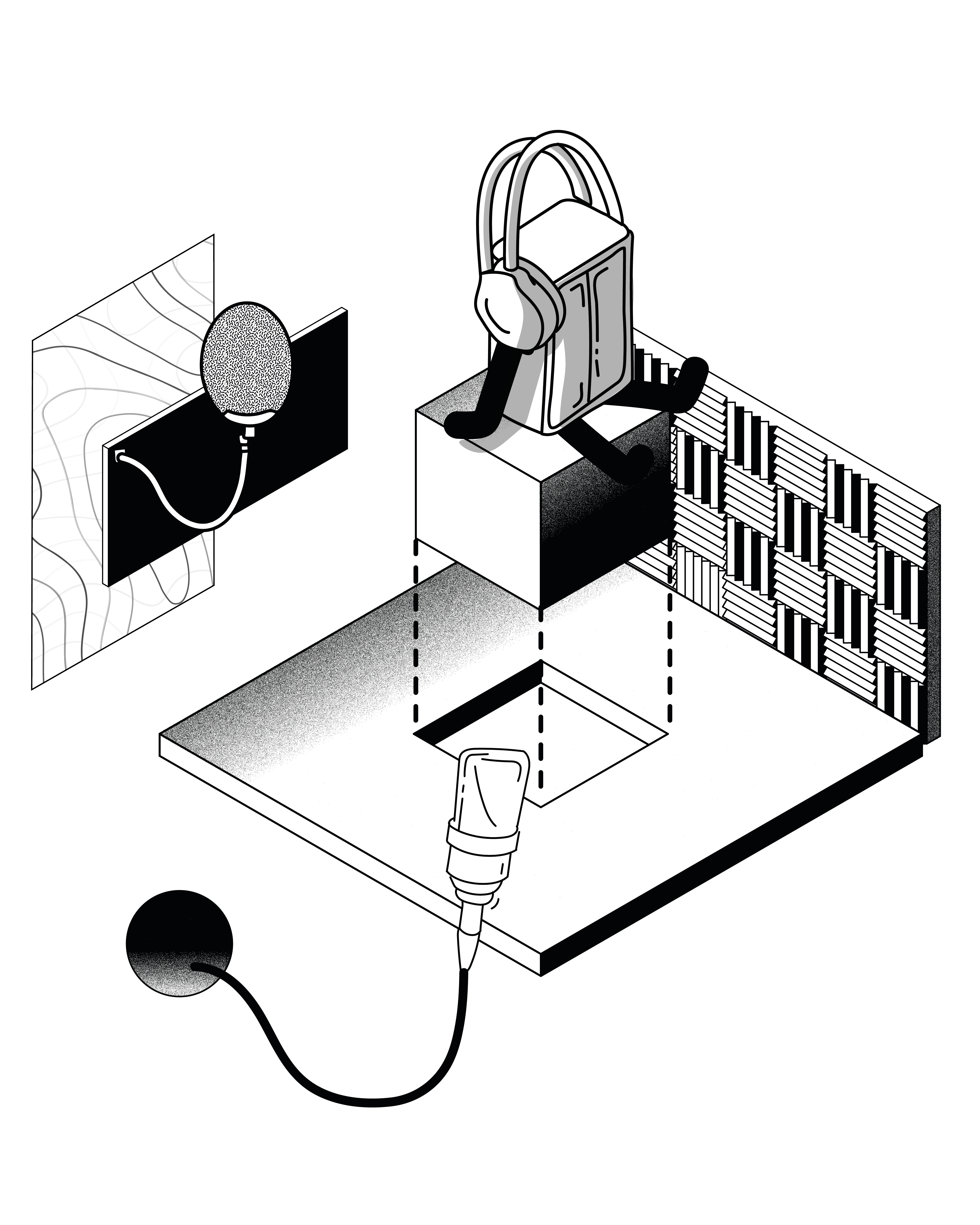
Go into the Voice123 Cloud, where all your signed files are available and run the Verification tool on the suspect file.
Future releases
As with all new tools, the possibilities and additions are endless. Here is our high-level roadmap for the future:
- Launch Voice Credentials for all voice actors on Voice123. (March 2024)
- An inspection tool with the ability to find similar files – think of the way Shazam works, but instead of music files, you can track voice over files. (March 2024)
- VoiceID: A digital fingerprint of a voice actor’s voice, which can be used to answer the question “Is this my voice?” on a given audio file. This can help detect if a voice actor’s voice was used without authorization. (July 2024)
- All voice actors can manage their signed files and change the metadata stored on a signed file. (November 2024)
- Public tools and APIs to sign and verify audio files, with the possibility of allowing other apps and platforms to support the Content Authenticity Initiative.
Questions?
We’re committed to The Voice Authenticity Initiative, and we understand there might be questions or even feature requests. Take a look at our detailed list of FAQS about Voice Credentials here.
You’re always welcome to reach out to our team via help@voice123.com for assistance.
Because we believe that every voice actor deserves to have their audio work protected.
Voice123 launches The Voice Authenticity Initiative
Voice123 launches The Voice Authenticity Initiative
We’re thrilled to announce our Voice Authenticity Initiative – a strategy to secure voice actors’ audio files and enhance transparency in the audio industry.
While the overall impact of artificial intelligence is yet to be determined – we’re committed to growing with these changes while securing the audio work of voice actors.
Our Voice Authenticity Initiative is the first step toward creating an audio content security system.
This unique, first-of-its-kind tool automatically generates Voice Credentials – a unique digital signature or metadata for every piece of audio uploaded to Voice123.
The primary benefit is that it will allow voice actors to always own, access, and verify their datasets and audio files. It will also assist them in identifying and tracking their work off-platform, thus protecting against potential abuse.
By creating a unique identifier for every piece of audio generated, we’ll set a new standard in audio security as we join The Content Authenticity Initiative to help creators amplify and guarantee authenticity by securing all forms of their digital content.
As pioneers in the online audio industry, we believe our Voice Authenticity Initiative represents a significant milestone that demonstrates our commitment to a platform where voice over services can be safely and ethically offered as well as purchased. It also aligns with our ongoing commitment to providing tools that empower voice actors, support their businesses, secure their audio work, and foster an environment promoting the transparent and ethical use of audio.
The Voice Authenticity Initiative and Beta Voice Credentials officially launch on March 4, 2024, and will be rolled out incrementally to all Voice123 voice actor profiles in the coming weeks.
Learn more about this initiative as well as our future plans here. You can also contact us via help@voice123.com with any questions.
Rolf Veldman
CEO at Voice123
TTS projects on Voice123
TTS projects on Voice123
To all our voice actors:
As part of our mission to craft the future of the voice over industry, we’ve been working with machine learning for over two decades, which includes AI Voice or Text-To-Speech (TTS) projects on Voice123.
However, we understand the concerns voice actors have raised concerning the potential for misuse, and since we take the responsibility of maintaining a safe and trustworthy environment for all our voice actors seriously, we have taken steps to address these concerns.
After reviewing our policy with the help of NAVA and our community of voice actors, we’ve developed a set of guidelines to facilitate the approval process of AI Voice and TTS projects and empower voice actors to make informed decisions.
All Voice123 projects that we identify as text-to-speech will be closely scrutinized and monitored to ensure the safety of our voice actors and make it easier for them to review whether a project matches their expectations.
Moving forward, clients creating AI Voice and TTS projects will:
- Need to confirm their identity and be open about the agreements they expect voice actors to sign.
- Need to clearly label in the title that the project is in relation to AI or TTS
- Answer a series of questions for each project, so voice actors can decide whether it suits them.
- Complete payments through Voice123’s Booking and Secure payment service.
- Demonstrate that they are consistently hiring voice actors and paying for recordings.
In addition, projects that are in perpetuity for all cases will no longer be allowed, and we’ve also carefully reviewed our Terms of Service, particularly those relating to AI Voice and TTS projects, which you can read here.
We will not hesitate to ban clients or close projects that we believe are actively trying to bypass our guidelines or are not in the best interest of our voice actors.
Our commitment to maintaining a secure and reliable marketplace for all voice actors remains unwavering as we continue implementing measures to assess AI Voice and TTS project credibility.
Our support team is also available to address any concerns or questions via help@voice123.com.
Please accept our sincere appreciation for your support and trust in Voice123, and thank you for being an essential part of our community.
The Voice123 team
What you need to know about TTS projects on Voice123
What you need to know about TTS projects on Voice123
As a voice actor, you’re well aware of how technology can impact your craft – and certainly has over time! One technological advancement that’s been making big waves in the voice acting industry more recently is Text-To-Speech (TTS). But to make informed decisions about how TTS will affect your voice over career, you must be well … informed. So, here, we’ve got the insights you need to better understand TTS, how it affects the voice over industry as well as your rates, and what to expect from (and on) Voice123.
What is TTS?
TTS is the technology that converts written text into spoken voice output, simulating human speech. For voice actors, this means that TTS voice over projects become the raw material that powers TTS systems through voice over recordings that are used to train TTS voice models.
It’s an innovative technology that transforms the written word into spoken dialogue, mechanizing the human voice. It could be likened to an automated voice actor capable of tirelessly delivering scripts without the human elements of emotion and nuance. It’s important to remember that TTS resorts under the broader concept of artificial intelligence. AI is constantly developing and ever-present in the entertainment industry as a whole. It will not only continue to exist but also evolve.
How TTS is used in voice over
The applications of TTS are varied and growing, especially as the technology becomes more integrated into the voice over industry. For example, TTS is being used in GPS navigation systems, customer service chatbots, and even digital personal assistants like Siri or Alexa. E-learning platforms, mobile applications, and interactive voice response (IVR) systems in call centers also leverage TTS technology. Your voice could be giving directions, teaching a course, or assisting a customer in an online chat. The potential reach of your work expands tremendously, crossing over into diverse sectors and industries.
Concerns about TTS
There is a concern that Text-to-Speech technology may replace voice actors as the technology has shown significant advancements in generating human-like voices, leading to worries that it could render voice actors obsolete. Additionally, some voice actors are concerned that TTS may diminish the artistic elements and nuances that they bring to their performances.
These are valid concerns, and we can certainly appreciate the level of doubt that exists among the voice acting community. However, with the right legislation, best practices, and know-how – TTS technology can become a tool that enhances and expands creative possibilities for voice actors instead of replacing them.
In fact, multiple veteran voice actors have written about their experiences using TTS in their favor, as well as their overall opinion of how the technology won’t replace voice actors and isn’t affecting the bottom line of the voice over industry. Learn more on the blogs of Debbie Grattan, Kim Handysides, and J Michael Collins, and our interview with Terri Nicole.
Since voice actors possess unique skills and talents that allow them to bring characters and narratives to life in ways that machines cannot replicate, ensuring that their role in industries such as entertainment, advertising, and gaming remains invaluable.
Potential TTS opportunities
TTS has the potential to open up a whole new market. In what way? Well, traditionally, voice actors have relied on opportunities such as audiobooks, commercials, animations, and video games. With the advancements in TTS technology, there are now opportunities for voice actors to lend their voices to TTS systems and generate income in new and innovative ways.
One such example is the field of automated customer service. Many companies are adopting conversational AI systems that utilize TTS to interact with customers. By providing a human touch to these automated systems, voice actors can bring warmth, personality, and professionalism to customer interactions. This not only enhances the user experience but also creates additional income opportunities.
Another example is e-learning. With the rise of digital learning platforms, TTS technology is being used to convert text-based content into spoken audio. Voice actors can play a helpful role in this process by providing high-quality and engaging voice overs for educational materials.
What about voice over auditions? Voice actors can also leverage this technology by using TTS to produce the desired script instead of attending physical auditions or recording every audition script. Voice actors can do this by recording their own TTS voice samples and then generating the desired script accordingly. This allows them to showcase their range, adaptability, and versatility while auditioning for multiple projects simultaneously, saving time and increasing their chances of landing voice over roles.
Charging for TTS Projects
If you’re ready to start including TTS projects in your voice over career – how does that affect your voice over rates? It’s essential to remember the broader reach and extended usage of your voice in TTS applications, which should be reflected in your pricing. Many voice actors work out a base rate for their time spent recording and then add a usage fee based on where and how the voice will be used.
Due to the evolving nature of TTS technology, exact pricing norms are currently in flux, but as more resources become available, we’ll be sure to keep you updated. In the meantime, if you choose to participate in a TTS project, be sure to consider all uses of your voice, including future use cases with your voice ‘data.’
The future of TTS on Voice123
Working with TTS technology is completely up to you! But since it’s shaping up to be a permanent feature of the industry, it’s vital for you to be aware of how the technology works. If you decide to take on TTS voice over projects, it’s also necessary to learn how your voice will be used in both the short and long term, as well as pricing and industry and copyright terminology. You’ll find helpful resources on these points from NAVA and GFTB.
We’re also working towards guaranteed data ownership for all voice actors so that your voice belongs to you and is used as you decide and approve. As with any new technology, the power of legislation and regulation is the key to sustainability.
That’s why, after reviewing our policy with the help of NAVA and our community of voice actors, we’ve developed a set of guidelines to facilitate the approval process of TTS projects.
All Voice123 projects that we identify as text-to-speech will be closely scrutinized and monitored to ensure the safety of our voice actors and that clients pay for all delivered recordings.
Moving forward, clients will:
- Need to use their corporate email accounts for added visibility and provide Voice123 with the contracts that voice actors are expected to sign.
- Answer a set of questions for each project so voice actors can make informed decisions.
- Complete payments through Voice123’s Booking and Secure payment service.
- Provide an explanation if no bookings were submitted before future projects are allowed.
- Face a ban if found attempting to bypass these rules or use auditions/samples of any voice actor without proper remuneration for its use.
In addition, projects that are in perpetuity for all cases will no longer be allowed, and we’ve also carefully reviewed our Terms of Service, particularly those relating to AI and TTS projects, which you can read here.
Going forward, if you have any doubts or concerns about any AI or TTS project posted on Voice123 – simply flag the project so that our team can investigate and improve the situation.
Don’t forget: if you have any questions about AI or TTS or need any type of guidance, reach out to our team at help@voice123.com
Share this post!
A blog owner yourself? Relevant links to quality sites will help your performance on search engines. If your readers will benefit from the services or information on The Booth's Voice over Guide, please consider linking to this post or the guide itself.
What are the membership options on Voice123?
What are the membership options on Voice123?
There’s a broad selection of tiered memberships you can choose from on Voice123:
|
Membership |
Annual Price |
Customer Support |
|
Free |
Free |
|
|
Paid |
$49 |
Live Chat |
|
Paid |
$99 |
Live Chat |
|
Paid |
$199 |
Live Chat |
|
Paid |
$395 |
Live Chat |
|
Paid |
$600 |
Live Chat |
|
Paid |
$888 |
Live Chat |
|
Paid |
$2,200 |
Live Chat |
|
Paid Elite |
$4,950 |
Live Chat Phone Support |
How to select the most suitable membership for you?
All voice actors start with a Free membership. This provides you with a profile page and URL, where you can upload and showcase audio samples and describe your voice over work experience.
As a Free member, you’ll receive invitations after paying members have been invited and if the project still requires more auditions. However, when you’re ready to formalize your voice over career and audition for more clients, you can upgrade to one of our paid-tier memberships.
Voice123 paid memberships start from $49.
The higher your paid membership, the more projects you’ll be invited to. The same applies to the number of times you’ll appear in client searches. You can learn more about the details of each plan on our membership page.
The main differences among these memberships are:
- INVITATIONS: The number of project invitations you receive. You will thus increase your chances of getting booked by a client because you’ll be able to submit more project auditions.
- SEARCH RESULTS: The number of times you appear in client searches on Voice123. This will increase your visibility considerably and the chances of your profile card being clicked on by a client on the search page.
- COMPETITIVENESS: The number of voice actors you will compete against. The higher your membership tier, the sooner you get invited to projects and the smaller the group of actors that get invited in each batch of email invitations.
- SUPPORT: The level of customer support you receive. The higher your membership tier, the sooner we’ll be able to address your queries and attend to your requests.
You can switch or cancel anytime — and there’s a 30-day money-back guarantee for all first-time members. Students are welcome to make use of lower-level paid memberships. If you’re 17 or under, please reach out to us at help@voice123.com, and we can provide you with an exclusive membership deal.
Ready to upgrade your membership?
Share this post!
A blog owner yourself? Relevant links to quality sites will help your performance on search engines. If your readers will benefit from the services or information on The Booth's Voice over Guide, please consider linking to this post or the guide itself.
FAQs: Voice123 Memberships
FAQs: Voice123 Memberships
How can I use my Paypal balance to pay for a Voice123 Membership?
Users that wish to use their Paypal balance to pay for their Voice123 Membership can follow the steps detailed below. Remember to configure these options after adding PayPal as a Payment method but before you upgrade the subscription to Voice123.
Option 1:
- Go to https://www.paypal.com/myaccount/settings/payments
- Click on Change
- Choose Paypal Balance
Option 2:
- Go to https://www.paypal.com/myaccount/settings/payments
- Choose Manage Automatic Payments, then Voice123 in the left column
- Edit the funding source option
How can I change the auto-renewal status on my account?
If you would like to change the auto-renewal status on your account and stop your membership, please follow these steps:
- Click on the Membership tab in the menu on the left side of the page.
- Click on Your Plan found under the plan you currently have.
- Look for Downgrade to Free.
- Share the reason why you want to downgrade.
- Click on Save.
Please note that your membership plan will remain the same until your current billing period ends. After that, you will be downgraded to a Free membership.
What happens when I have credit in my account, and how can I use it?
Credit can be left on your voice actor account in the following scenarios:
- You downgrade your membership plan when you’re not eligible for a refund. The funds left on the account will remain as a credit towards future payments; the credit will expire within a year of your downgrade.
- A manual discount is given to your account for a membership upgrade. This credit will remain in your account for 15 calendar days.
To upgrade your plan, go to our membership page. If you have any questions feel free to contact us at help@voice123.com.
Note: All credits are non-refundable.
How do I upgrade my Membership?
Once you decide on the membership level you want to upgrade to, you can proceed with your payment by following these steps:
- Log in to your account
- Click on the Membership icon on the left side of the page
- Click Select on the membership of your choice
- Complete the details of the preferred payment method
- Click on Confirm
- Click on Select Account
You can switch memberships at any time. If you want to upgrade to a higher plan, the funds left from the payment of your first membership plan will be prorated and taken as part of the payment for your new plan.
What is the Elite membership about?
The Elite membership is our most exclusive membership. It is so exclusive because it’s a very profitable option with a limited number of members. We currently have a waiting list of applicants that get invited individually once there is a vacancy.
Here are some benefits of being an Elite member:
- You can submit proposals for any project posted on our site that matches your profile.
- You will get invited to auditions sooner, giving you a much better chance of being listened to.
- Your profile will be very highly ranked by our search engine. Even though we have hundreds of projects posted on our site every week, we have noticed that many bookings are made by directly contacting the voice actor from the Voice123 Search Feature. This means your profile will be more visible to clients than other voice actors on our site.
- You will also receive preferred support from our Customer Success Team.
To become an Elite member, the Voice123 team will have to review your profile and your samples to verify that you meet the membership requirements. Here are some of the requirements to become an Elite candidate:
- You must have various samples uploaded to Voice123 for each recording purpose listed on your profile.
- You need to have undergone professional voice-over training and have several years of experience.
- You are expected to have a professional, acoustically treated home studio.
- The samples you submit need to have been recorded in your own studio.
- You must fill out your profile accurately and exhaustively.
- You must have been a Pro member on the site for at least one year.
- Your samples and proposals will have to pass our QC test.
In order to be considered for the Elite membership, contact us at help@voice123.com. Please provide the URL for your Voice123 profile and let us know if you want to become an Elite member.
What happens if I don't renew my membership?
If you don’t renew your membership, your account will return to a Free membership. We won’t delete any of your data; your profile will remain the same. You will still receive invitations to audition for Projects and can be contacted by potential (or returning) clients, although you will now be in the last batch of voice actors to get invited.
To renew your membership, log in and go to Memberships in the blue bar located at the left of the page. Click Select on your chosen membership to renew it for another year.
Ready to upgrade your membership?
Share this post!
A blog owner yourself? Relevant links to quality sites will help your performance on search engines. If your readers will benefit from the services or information on The Booth's Voice over Guide, please consider linking to this post or the guide itself.