Anime has evolved from niche art into a billion-dollar industry that rivals Hollywood in scale and storytelling depth. But really, what is anime in its truest form?
At Voice123, the most trusted platform for hiring anime voice actors, we’ve seen how this type of animation represents a new frontier for filmmakers to create unique projects.
In this post, we’ll explore what is anime and how to make anime projects that captivate audiences.
What is anime?

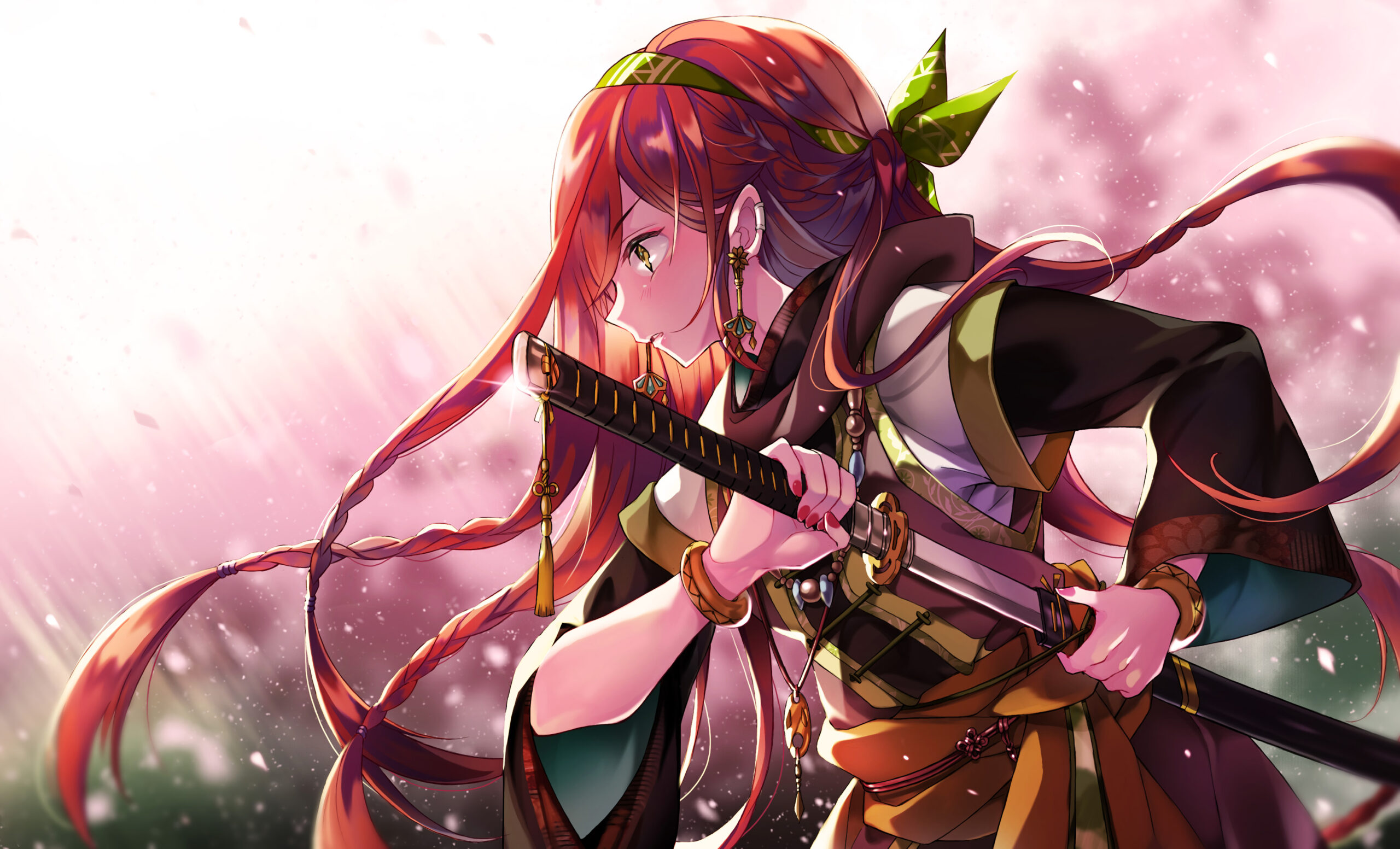
To understand what is anime, think of it as Japan’s unique take on cinematic storytelling through animation. It merges visuals, stylized movements, and layered narratives to create a distinct emotional experience.
Anime’s universal appeal lies in its ability to connect global audiences to human themes—such as identity, loss, friendship, and morality—through powerful visual metaphors. When it comes to anime vs. cartoon, Western cartoons often rely on humor while Japanese animation focuses on character psychology and world-building.
What does anime mean?
The term “anime” is a shortened form of the word “animēshon,” which means animation in English. It refers specifically to the Japanese style of animation known for its artistic precision and emotional storytelling.
The hallmarks of Japanese art, like detailed backgrounds, stylized characters, and emotive drawings, create a distinct aesthetic recognized worldwide.
Is anime a cartoon?
Yes, it is a type of cartoon because it employs a similar 2D animation style; however, anime drawings are far more detailed and expressive than typical cartoon art. The anime vs cartoon distinction really comes down to storytelling depth. While cartoons focus on humor or simplicity, anime delves into complex narratives, emotional themes, and cinematic direction.
Why is anime so popular?
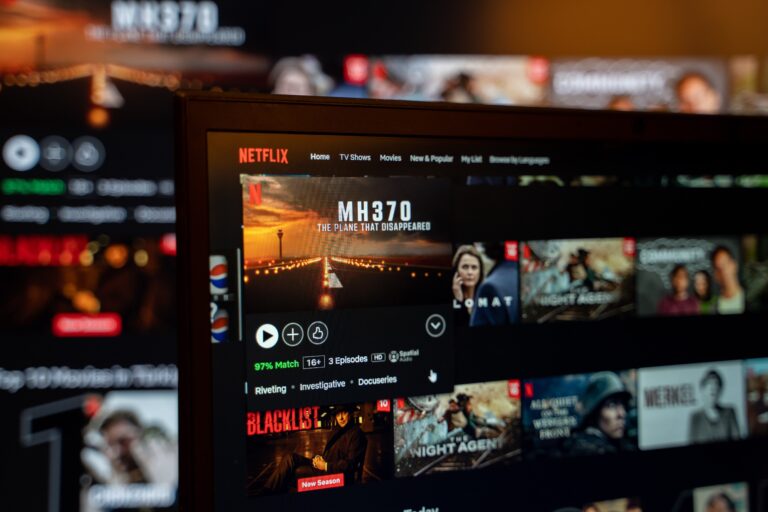
According to a recent report, almost 50% of Netflix subscribers watch Japanese animation.
So, why is anime so popular worldwide?
It tells stories that resonate emotionally while pushing creative boundaries visually. The cinematography and direction rival live-action films.
Today, Japanese animations like Attack on Titan, Naruto, and Demon Slayer dominate global streaming charts. Each combines world-class animation, original soundtracks, and stellar performances by anime voice actors.
What was the first anime?
The answer to what was the first anime lies in early 20th-century Japan, with short experimental films like Katsudō Shashin (1907), which is considered the oldest known Japanese animation. But the first true milestone came in 1963 with Osamu Tezuka’s Astro Boy. It introduced cinematic storytelling, dynamic camera angles, and emotional pacing to animation—transforming it from simple children’s entertainment into a serious art form.
What is the most popular anime?
Naruto is considered the best animation of all time due to its complex themes, character development, and realistic portrayal of human emotions and relationships. Other popular productions include:
- One Piece – Epic adventure and world-building spanning decades.
- Fullmetal Alchemist: Brotherhood – Widely praised for its perfect balance of plot and emotion.
- Attack on Titan – Intense storytelling with mature political themes.
- Demon Slayer – Visually striking action and heartfelt character arcs.
- Dragon Ball Z – The timeless action series that introduced Japanese animation to the West.
Types of anime and genres explained
- Shōnen: Action-heavy series for young male audiences (One Piece, Dragon Ball Z).
- Shōjo: Romantic, character-driven stories for younger audiences (Sailor Moon, Fruits Basket).
- Seinen Anime: Mature, complex narratives for adults (Ghost in the Shell, Tokyo Ghoul).
- Josei: Realistic relationship-driven tales for adult women (Nana).
- Kodomo: Family-oriented or educational content for children (Doraemon).
Each genre has its own stylistic rules—from pacing to color palette—and dictates the kind of voice acting and storytelling rhythm a director will need.
How to make anime from concept to screen
So, how to make anime that captivates audiences? Whether you’re producing an original series or short film, animations follow a meticulous, layered process—similar to filmmaking but with its own artistic language.
1. Concept development
Different types of anime start with a core idea. Define your genre, target audience, and theme early. Ask yourself: is it a seinen anime exploring human psychology, or a shōnen adventure about friendship and heroism? A strong emotional hook drives all successful productions.
2. Writing the script
Animation scripts emphasize emotion, rhythm, and silence. Unlike Western animation, dialogue isn’t constant. Pacing is cinematic, often punctuated by moments of reflection or tension. When writing, visualize scenes as if you’re directing a live-action film.
3. Character and world design
This stage brings the drawings to life. Characters should express individuality through their eyes, gestures, and costumes. World design must also feel immersive—blend fantasy with familiar realism to ground your audience emotionally.
4. Storyboarding and previsualization
Before production, create detailed storyboards. Directors rely heavily on framing, angles, and symbolic imagery. These visuals will guide animators, editors, and voice over teams through tone and timing.
5. Animation production
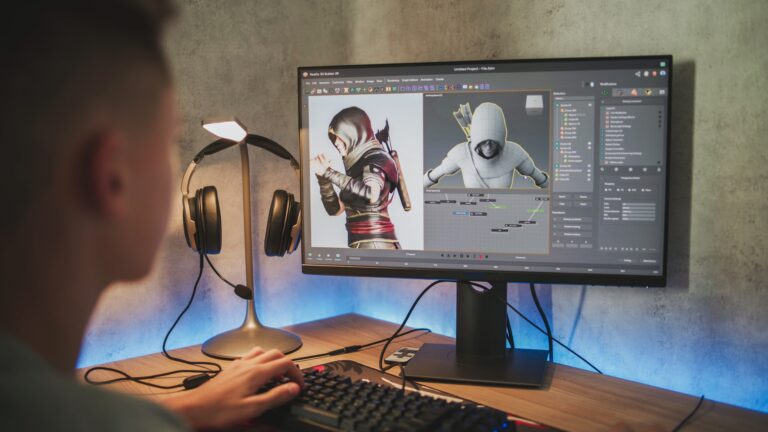
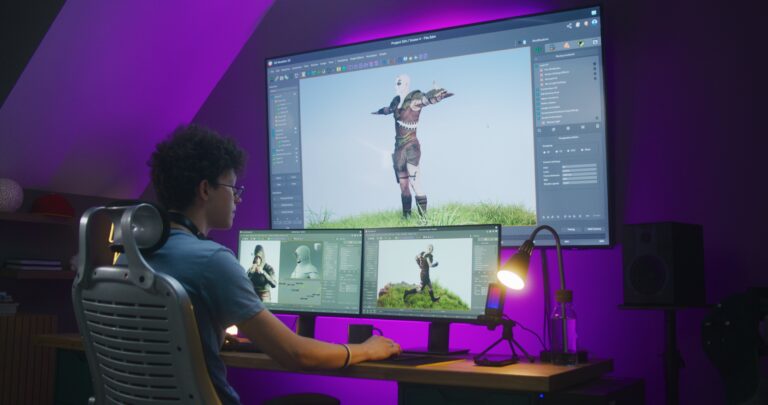
You can choose 2D frame-by-frame animation, 3D integration, or a hybrid workflow. Many modern studios utilize tools like Toon Boom or Blender, while maintaining hand-drawn textures to preserve authenticity.
6. Voice acting and sound design
This stage separates great stories from good one. Casting skilled voice actors (or seiyuu) ensures that the emotional delivery aligns with the character’s intent. Sound design enhances immersion—wind, city noise, ambient music—all crafted to evoke the emotion seen on screen. Discover how to use Voice123 to hire professional voice actors in this guide.
7. Editing and post-production
Color grading, timing corrections, and audio syncing finalize your animation into a cohesive masterpiece. When done right, video editing creates an experience proving that what is anime is more than animation; it’s emotion in motion.
The power of anime voice actors (Seiyuu)
Anime voice actors, also known as seiyuu in Japan, bring authenticity and life to animation. Their ability to shift tones, emotions, and accents defines how audiences perceive characters. In Japan, seiyuu are stars—fans recognize their voices from popular characters across series.
Famous English anime voice actors
- Johnny Yong Bosch: Known for Devil May Cry and Bleach.
- Crispin Freeman: Voices characters like Gyomei in Demon Slayer and Kanaguri in Sakamoto Days.
- Laura Bailey: Famous for The Legend of Vox Machina and Fruits Basket.
- Troy Baker: Best known for Baki Hanma and Fullmetal Alchemist: Brotherhood.
- Erica Mendez: Recognized for Genshin Impact and Hunter x Hunter.
Famous Japanese seiyuu
- Mamoru Miyano: Voices Light Yagami in Death Note and Rintarou Okabe in Steins;Gate.
- Kana Hanazawa: Known for Nadeko Sengoku from the Monogatari Series and Mitsuri Kanroji from Demon Slayer.
- Yūki Kaji: Iconic as Eren Yeager in Attack on Titan and Meliodas in The Seven Deadly Sins.
- Rie Kugimiya: Famous for Alphonse Elric in Fullmetal Alchemist and Taiga Aisaka in Toradora!.
- Megumi Hayashibara: Legendary voice of Rei Ayanami in Neon Genesis Evangelion and Faye Valentine from Cowboy Bebop.
For producers, hiring professional anime voice actors through Voice123 ensures your project meets the same standard of excellence as hit titles.
Final Thoughts
So, what is anime to a filmmaker? It’s an opportunity—a way to tell powerful stories through visuals and voices that transcend language. As producers, learning how to make anime is about crafting art that feels alive, immersive, and emotionally real.
From script to sound, every step in production matters. And when it’s time to find the voices behind your vision, collaborate with skilled voice actors on Voice123 or use Voice123 Enterprise for complete project management.
FAQs
Naruto continues to dominate globally, while One Piece, Demon Slayer, and Attack on Titan are still fan favorites.
It’s a Japanese animation characterized by expressive art, cinematic storytelling, and emotional depth.
That’s seinen anime, which features mature themes and psychological narratives.
It is Japan’s signature style of animated filmmaking—an art form combining visual storytelling, character-driven emotion, and outstanding voice acting.