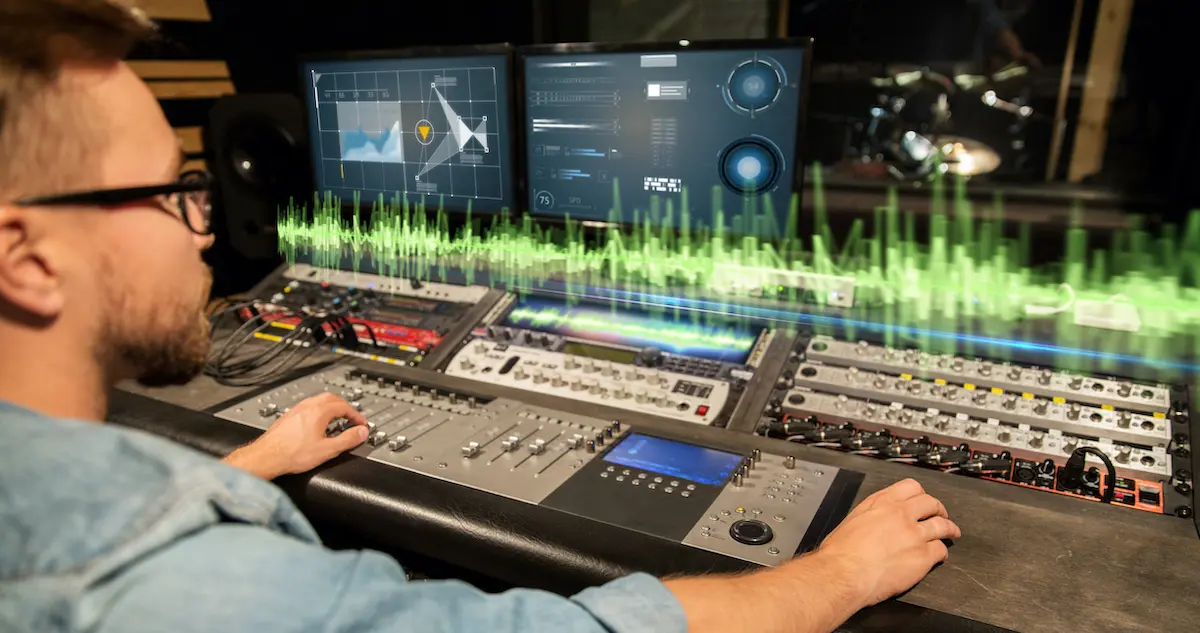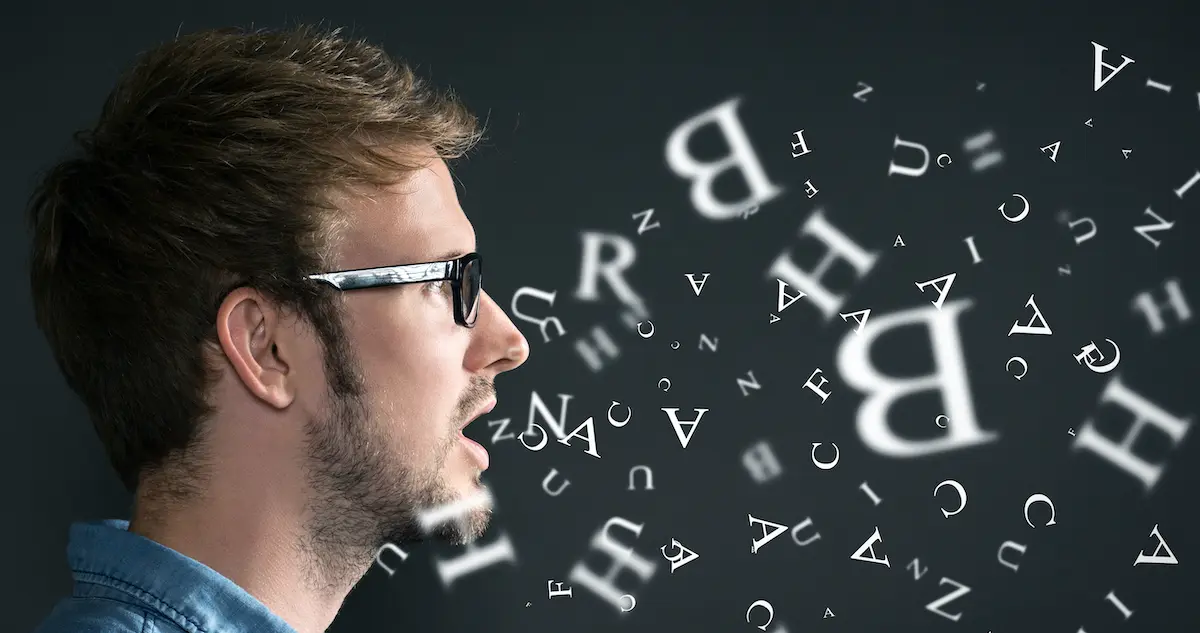

Today’s dubbing AI tools can translate dialogue, recreate voices, generate multilingual narration, and localize videos faster than traditional production pipelines ever could.
At Voice123, where creators and brands can find professional voice actors for multilingual projects, we’ve seen how the way video content is produced has changed worldwide.
So what is AI dubbing exactly? And what are the best AI video dubbing tools 2026?
What is AI dubbing?
AI dubbing is the process of using artificial intelligence to translate and recreate spoken dialogue in another language using synthetic or cloned voices. Instead of manually recording every language version with voice actors, AI tools can:
- translate scripts
- generate multilingual voice overs
- clone voices
- synchronize speech timing
- adjust lip-sync
- localize content faster than traditional dubbing workflows
How has AI dubbing changed video localization
AI dubs are transforming how creators and brands think about global content production.
Producing multilingual videos often required translators, casting directors, voice actors, recording studios, engineers, and localization specialists working together across multiple production stages.
That model still exists for premium productions. But AI localization has made it easier for productions on a budget to create multilingual content.
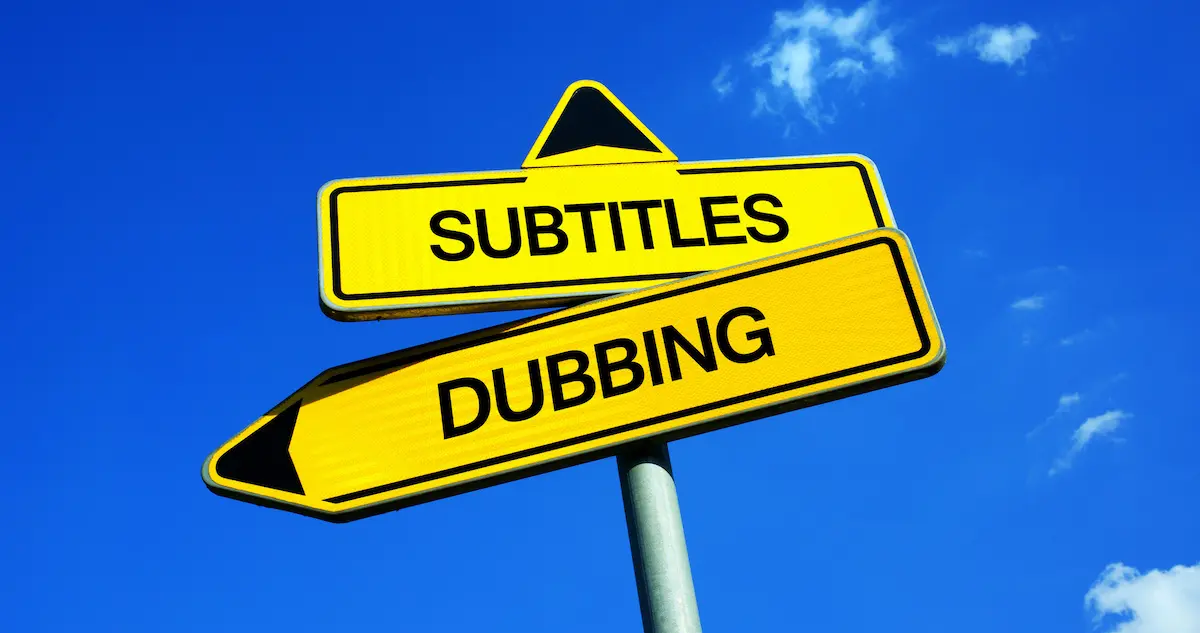
Subtitles still matter, but audio localization feels more immersive and accessible. That’s why automatic video dubbing has become one of the fastest-growing trends in video production.
How does AI dubbing work

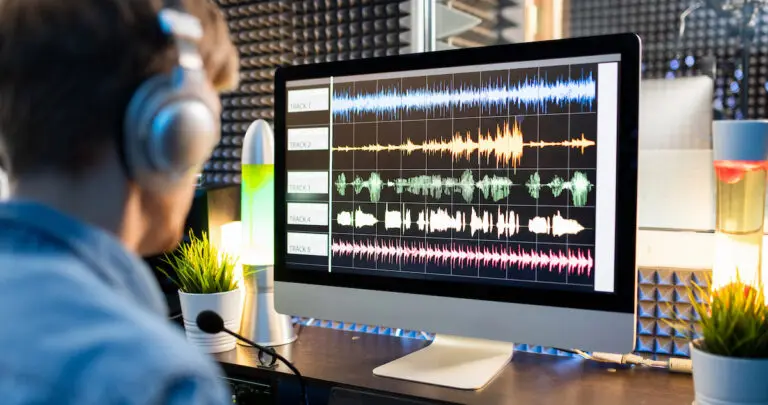
Understanding how to make dubbing with AI starts with understanding the technology behind modern video localization systems. Here’s a quick overview of the process:
1. The software transcribes the original spoken dialogue into text.
2. AI translation tools convert that script into another language.
3. The AI system generates a new voice track using synthetic speech models trained on real human voices.
- Some tools use generic voices while others can clone the original speaker’s voice style and tone.
4. The final stage includes lip-sync synchronization, pronunciation reviews, and audio editing.
The best AI video dubbing tools in 2026 also preserve emotional tone across languages.
The best AI video dubbing tools in 2026
ElevenLabs
ElevenLabs is currently one of the strongest software options for realistic multilingual narration for:
- YouTube narration
- documentaries
- storytelling channels
- educational content
The platform also supports multilingual speech generation and advanced voice cloning, making it one of the best AI video dubbing tools 2026.
Synthesia
Synthesia remains popular among enterprise and corporate teams because the platform combines multilingual narration with AI voice dubbing.
Many businesses use Synthesia to scale internal communication and educational content globally.
Deepdub
Deepdub focuses more heavily on entertainment dubbing and cinematic localization. The technology is designed to preserve emotional performance or streaming content and film localization.
Dubverse
Dubverse is popular for scalable creator workflows and multilingual YouTube content. The platform prioritizes fast localization, creator accessibility, and simplified editing.
Voice123
Many creators want speed without sacrificing quality or transparency. With Voice123, you can buy artificial voice overs made and owned by professional voice actors.Search our database of AI voices, upload your script, and generate custom audio.
For large dubbing projects, Voice123 Enterprise also helps brands manage multilingual workflows ethically and securely with professional voice talent.
AI dubbing for YouTube creators
YouTube is one of the biggest reasons artificial dubbing is accelerating so quickly. Creators realize that a large portion of their audience comes from outside their native-language market.
That creates enormous opportunities for AI localization.
A finance creator producing English-language videos might suddenly unlock growth in Spanish-speaking regions after adding dubbed versions. That’s why YouTube has invested heavily in automatic video dubbing.
AI Dubbing for faceless YouTube channels
Faceless channels are especially well-suited for AI video localization because narration drives most of the viewer experience.
Channels offering tutorials, productivity tips, or business explainers can localize videos much more easily than personality-driven content.
YouTube Shorts localization
Short-form content moves fast, which makes AI especially valuable for YouTube Shorts. Creators can test multilingual versions of Shorts to expand audience reach quickly.
Is dubbing AI safe?
Artificial dubbing itself is safe when used responsibly. But concerns around voice cloning, consent, synthetic identity misuse, and misinformation continue to grow.
Creators should be extremely careful before cloning real voices without permission.
Brands also need to be aware of:
- licensing rights
- disclosure policies
- ethical voice use
- localization accuracy
- audience trust
The safest workflows prioritize transparency and proper rights management. That’s why human review is key even in highly automated AI localization.
AI dubbing vs traditional voice overs

Artificial intelligence is incredibly efficient. But it still doesn’t fully replace human performance. Traditional dubbing remains stronger for emotionally driven storytelling because professional voice actors bring emotion, nuance, and authenticity.
AI works best for:
- explainers
- eLearning
- onboarding content
- product walkthroughs
- corporate training
- scalable localization
However, commercials, animated films, documentaries, and streaming content still need professional voice talent.
That’s why at Voice123, many companies combine AI localization pipelines with professional multilingual voice actors to improve authenticity and audience connection.
How to make dubbing with AI sound more natural
Good AI dubs start with strong source material. AI speech systems perform best when narration sounds natural and human from the beginning.
The best multilingual content adapts humor, pacing, and tone for local audiences. A phrase that works perfectly in English may sound strange or awkward in another language.
Voice selection matters as well. A calm educational narrator is completely different from a high-energy entertainment voice, and each voice style suits a certain type of project.
Final thoughts
AI dubbing is transforming how creators, brands, and media companies scale video content internationally. But human creativity, emotional storytelling, and cultural understanding are still irreplaceable.
Need authentic multilingual voices for your next global project? Voice123 can help you find professional voice actors for dubbing or localization. Post your next project today!
FAQs
It is the process of using artificial intelligence to translate and recreate spoken dialogue into another language, using synthetic or cloned voices, for multilingual video content.
It works by transcribing speech, translating dialogue, generating voice overs, and synchronizing the new audio track with the original video timing and visuals.
Some of the best software options in 2026 include ElevenLabs, Deepdub, and Dubverse. The right choice depends on your workflow, realism needs, and localization goals.
Yes, it can be safe when used responsibly, but creators should always ensure proper voice consent, ethical usage, and licensing compliance when producing AI content.
AI can automate many localization tasks, but professional voice actors still outperform AI in emotional storytelling, cinematic performances, humor, and culturally nuanced dialogue.
To dub a video with AI, choose a platform, upload the video, generate a transcript, translate the dialogue, adjust timing, and export the localized version.