
An A-Z voice over microphone guide
Best voice over microphone: an A-to-Z guide for 2025
With as many options as a candy store, voice over microphones have no one-size-fits-all approach. But by understanding each microphone’s pros and cons and learning from the experiences of successful voice actors, you can find the best voice over microphone for your unique voice style and career.
What’s the best voice over microphone for voice recording?
Typically, voice over microphones doesn’t fit neatly into boxes marked ‘best,’ ‘mediocre,’ or ‘worst.’ Every voice is unique. So, voice actors need a microphone that enhances their style and meets their needs. And with almost infinite options available, navigating the best voice over microphone topic is overwhelming. But the good news is that you’ve found this voice over microphone guide. We cover the A-Z of voice over microphones to help you settle on the best microphone for voice recording.
A voice over microphone is the most critical tool in a voice actor’s recording chain. Why? Because it captures their voice in all its raw, persuasive glory. Even more, than that, a voice acting microphone highlights the nuances and subtleties of a voice. And when combined with the selling power of storytelling, it can impress clients, leading to repeat bookings. From audiobooks to commercials or something else. That’s why we’re bringing you tips and advice from VO pros – because there’s no best voice over mic, but there is the best voice over mic for you!
Voice actor spotlight: Mics of the round table
Kenita Hill is a top performer on Voice123, ranking in the top 10% of voice actors. Coming from 25 years in the healthcare industry, and being a Voice123 member since November 2020, she brings insight as a new, successful voice actor in this microphone guide. She too, found it difficult to choose her first microphone. “It’s overwhelming almost, really is, to find something that fits because they say if you have a deeper voice, you get a certain kind of microphone. If you have a higher pitched voice, this type of microphone works for you. So it’s really tricky,” she says.
Voice actor spotlight: Mics of the round table
Kabir Singh is a top performer on Voice123, and has been a member since 2010. He brings insight as an experienced voice actor in this microphone guide. “The answer’s much different than it was pre-COVID. I would encourage you to go down to something like a guitar center [and] try out different mics. They let you play around with mics once in a while… Now, I would say maybe rent one or two different mics. You can rent them online, …rent one that’s shotgun, rent one that’s omnidirectional … hear it in your space. That is the best way. Otherwise, you’re just kind of guessing.”
How to choose the best microphone for voice over
Choosing the best microphone for voice over is like walking into an art store; you’ll find options that range from eye-wateringly expensive to the everyday radio shack variety. And while some pros swear by their Blue Yeti’s ability to get them jobs, others prefer a high-end Royer.
Your best bet at finding the perfect voice over microphone is through trial and error by comparing and exploring various sound options. Familiarizing yourself with voice over microphone options eliminates unnecessary time window shopping mics you’ll never need.
Sometimes you’ll hit the jackpot with your voice over microphone instantly. But don’t despair if you end up with one you can’t want to upgrade. Luckily, voice over microphone differences are subtle and won’t jeopardize your job security immediately. It can, however, affect your vocal sound depending on your natural pitch and tonal quality. So, invest in a voice over microphone that suits your voice. And the good news is that you don’t need to start off with a lot of capital; there are plenty of used/second-hand options available.
Different types of voice over microphones
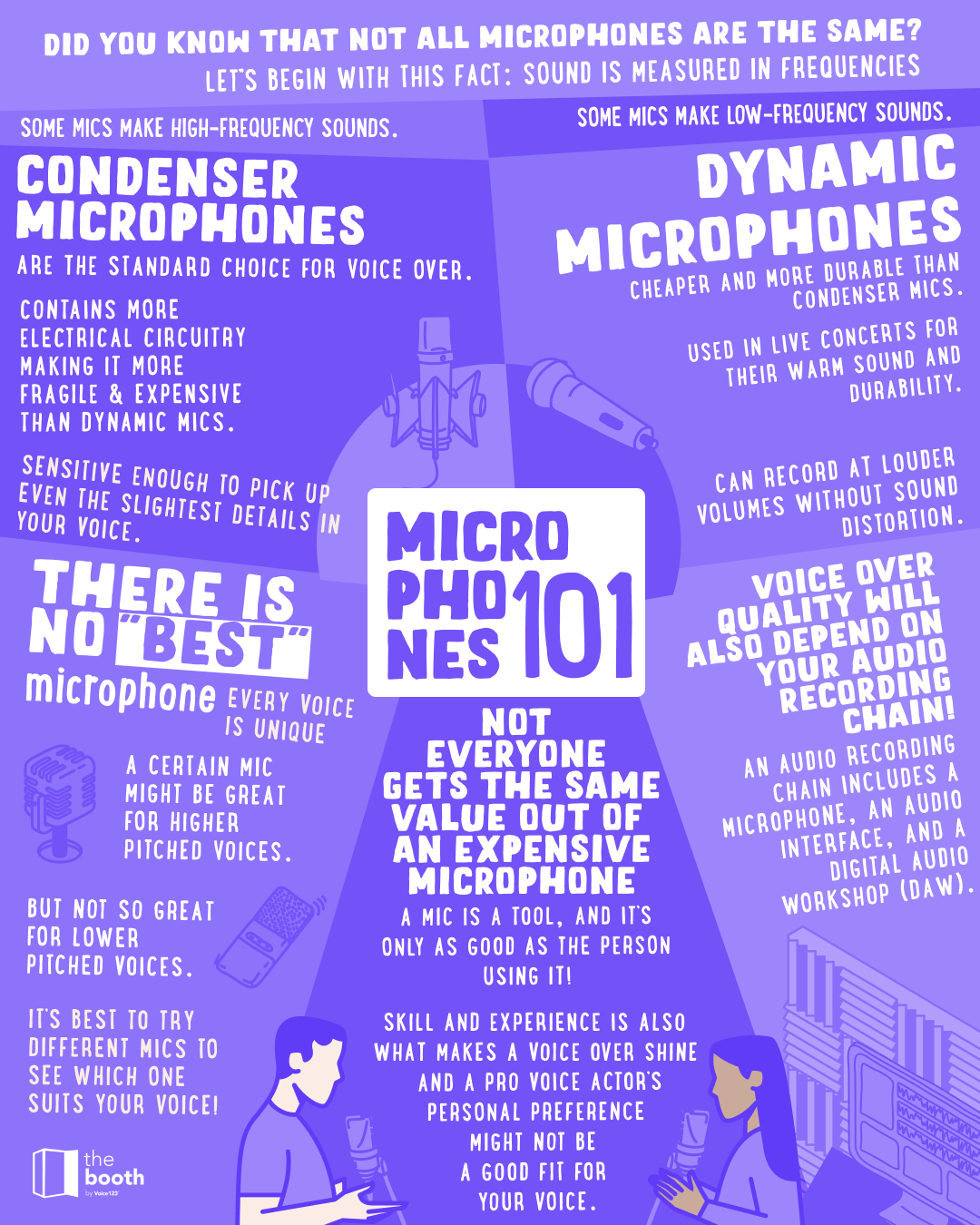
Different types of microphones include dynamic, condenser, ribbon, and USB, the four most common voice over microphones on the market. Here’s a breakdown of each one.
1. What is a dynamic microphone?
A dynamic microphone is a durable mic for recording loud sounds like drums or electric guitars, podcasting, or live performances. Like the Shure SM58 at $99, Sennheiser MD421-II at $379, and Electro-Voice RE20 at $449.
2. What is a condenser microphone?
A condenser microphone is a sensitive and delicate mic ideal for recording quieter sounds like vocals, acoustic guitars, or orchestral instruments. Like the AKG Pro Audio C214 at $369, Audio-Technica AT4053b at $599, and Neumann TLM 103 at $1,100.
3. What is a ribbon microphone?
A ribbon microphone is known for warm, vintage sound and recording brass or woodwind instruments, vocals, or guitar amps. Like the Cascade Fat Head II at $379, AEA R84 at $1,099, and Royer R-121 at $1,295.
4. What is a USB microphone?
A USB microphone is a plug-and-play mic for computers, and it’s popular for podcasting, live streaming, or home recording. Like the Blue Yeti at $129, Audio-Technica AT2020USB+ at $149, and Rode NT-USB at $169.
5. What is a studio microphone?
A studio microphone is a high-quality mic for professional recording in a studio environment to record vocals or musical instruments. Like the Audio-Technica AT4053B at $600, Neumann TLM 103 at $1,100, and AKG Pro Audio C414 XLII at $1,100.
Note that prices and availability depend on location and model type. So, let the key point of this microphone guide be ‘Don’t invest in the voice over microphone that works for other professionals. Opt for what works for you.’
Voice over microphone accessories
Microphone accessories are a necessary tool that helps refine and elevate the quality of the end product. Just like how a chef’s utensils help him make amazing dishes, voice over microphone recording accessories can help you create the perfect voice over. Here are some common ones:
- A pop filter is a shield that reduces plosive sounds like “P” and “B” in vocal recordings. Options include Nady MPF-6, $8-$10, and Stedman Proscreen XL Pop Filter, $90-$100.
- A shock mount is a suspension system that isolates the microphone from vibrations and handling noise. Options include Neewer Shock Mount, $10-$15) and Rycote InVision USM Studio Microphone Shock Mount, $120-$150).
- A windscreen is a foam cover that reduces wind and other environmental noises. Options include Mudder Foam Microphone Windscreen, $5-$10) and Sennheiser MZW441 Pro Foam Windshield for MD441 Microphone, $50-$60.
The best voice over microphones for Mac and Windows
Your specific recording needs, budget, and computer are unique to you. So, choose a voice over microphone that adapts to your vocal needs. Here are some common options that work on Mac and Windows.
For Mac:
- The Blue Yeti is an easy-to-use USB microphone with multiple polar patterns and a built-in headphone jack for podcasting, voice over work, and live streaming.
- The Audio-Technica AT2020USB+ is a high-quality condenser microphone with a cardioid polar pattern and a wide frequency response range that directly records vocals and acoustic instruments to Mac.
For Windows:
- The Shure SM7B is a professional-grade dynamic microphone with a smooth, warm sound for broadcasting and music production that requires an audio interface to connect to Windows.
- The Rode NT1-A is a popular condenser microphone known for its clarity and low self-noise that has an XLR connector and requires an audio interface to connect to Windows.
Spotlight on the community: Women on Mic Project
The COVID-19 pandemic has definitely made it hard to do anything in person… so for us, finding this resource has been incredible & we’d like to highlight it:
The Women on Mic Project is creating a free to access audio resource of raw spoken word audio samples recorded by women on various types/brands of microphones that they have access to. The aim is to help women (and others) hear a reference of other female voices on different microphones to help them make decisions when they are purchasing or deciding which microphone to use.
What is an audio recording chain?
An audio recording chain is a chain that connects the mic, audio interface, and digital audio workshop (DAW). This 3-part chain is vital because all 3 elements are variables that affect your voice over sound.
The DAW, for example, influences your mic sound. Kabir says that “each DAW has its own plugins, stuff that makes your mic sound better, or make your [voice] sound better. A plugin might have a noise gate, and that’s important for certain microphones.”
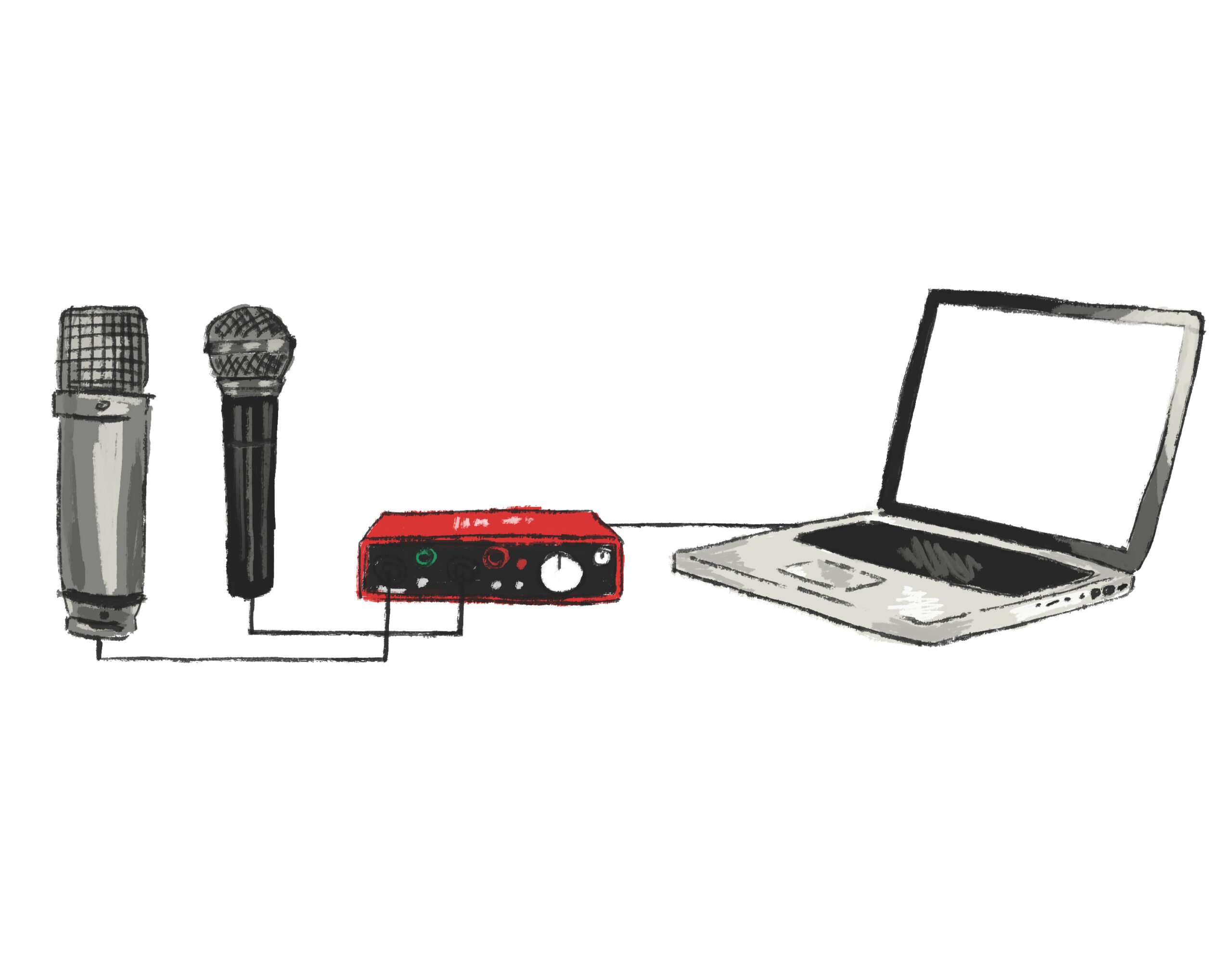
“Like I mentioned, if you had a certain microphone that’s picking up [sound from] all directions, and you didn’t have the [recording studio] like I did… then you might incorporate a plugin such as noise gate. The noise gate might help you cut that noise out in the background.”
“…As the business grows, you want to invest back into the business… so it’s natural to feel like, ‘let me reinvest in a new microphone, let me go and try some new stuff…” – Kabir Singh
So a voice over microphone is one aspect of a much bigger picture.
Every voice sounds different on every mic; that’s the nature of the beast – the human voice. As the uniqueness of human voices is infinitely varied, be open-minded in your mic selection. Recognizing that every purchase and trial experience is different. But whichever voice over microphone you pick, take care of it, and it’ll serve you well for years to come.
Debunk the concept of ‘best microphones for voice over’
While there’s always an opinion on the best microphones for voice over or why XLR trumps USB, keep one thing in mind. A voice over microphone is just a tool. One that voice actors use to emote with the voice and provide an auditory experience. Some voice actors prefer to create that experience with the shiny nickel sheen of the Neumann TLM103 or the shape of the Sennheiser Shotgun. But it could also be the passion and authenticity of the voice actor heard and felt in a voice over?
While it’s important to glow in the aftermath of your voice over microphone purchases, it’s also important to remember that having a successful voice over career relies more on your skill as a voice actor and a business person. Because no super premium mic can ever save someone from subpar voice acting or procrastinating in their voice over business. Along with the tools, the mindset must also be artistically inclined and business-oriented
How to get the most value out of a voice over microphone
Ultimately, not everybody is going to know how to get the same value out of a top-quality, premium mic like the Neumann U87 — retailing at around $3600 USD. Buying it as a beginner is like giving a grand piano to a child who’s still taking piano lessons. Unless the voice talent is like a child piano prodigy, they’re not going to get the value of a premium mic.
So no matter which price point you’re at, whether it’s entry-level at $200 or premium at $3600, knowledge and skill are what elevate performance on the mic. This brings us to our second point. Voice over entrepreneurship is the foundation of a successful voice over career, not fancy gadgets and top-tier equipment, although they certainly help when you’re at the appropriate level.
Experimenting and sampling microphones is your best bet when determining the best mic for you. Otherwise, it’s helpful to watch mic comparison videos with a voice similar to yours and to imagine how your voice might sound if you were testing them. It’s even more helpful to remember that hearsay about the best microphone for voice acting can only mean so much to your mic-choosing decision.

How to become a voice actor in 4 steps
How to become a voice actor in 4 steps
To help you learn how to become a voice actor, we’ve sorted out the initial and necessary steps into just 4 main points. But in addition to these, it also needs to be highlighted that just like any career, becoming a voice actor also starts with developing the right mindset, setting the right expectations, and learning about the right tools and equipment. So, if you’re still interested in learning how to become a voice actor – here are the four key steps to get started today!
How to become a voice actor in 4 steps
1. Learn about the VO industry
Before diving into voice acting, it’s important to prepare yourself to first learn about the voice over industry. What’s involved in becoming a voice actor? What is the difference between voice over and voice acting? How are voice overs made? What are the different genres? What do you need to know about voice over rates? Where will you be able to find voice over jobs? You’ll find it helpful to consult a voice over guide for this type of research.
2. Become a VO entrepreneur
Becoming a voice actor is essentially becoming a business owner or an entrepreneur. That’s because voice acting professionally is different from voice acting as a hobby. Consequently, it might be helpful to make a business plan to focus on how you can establish and grow your voice over business as well as stay compliant with any legal requirements. Identifying your vocal brand will also help you when creating a marketing strategy.
3. Create a recording environment
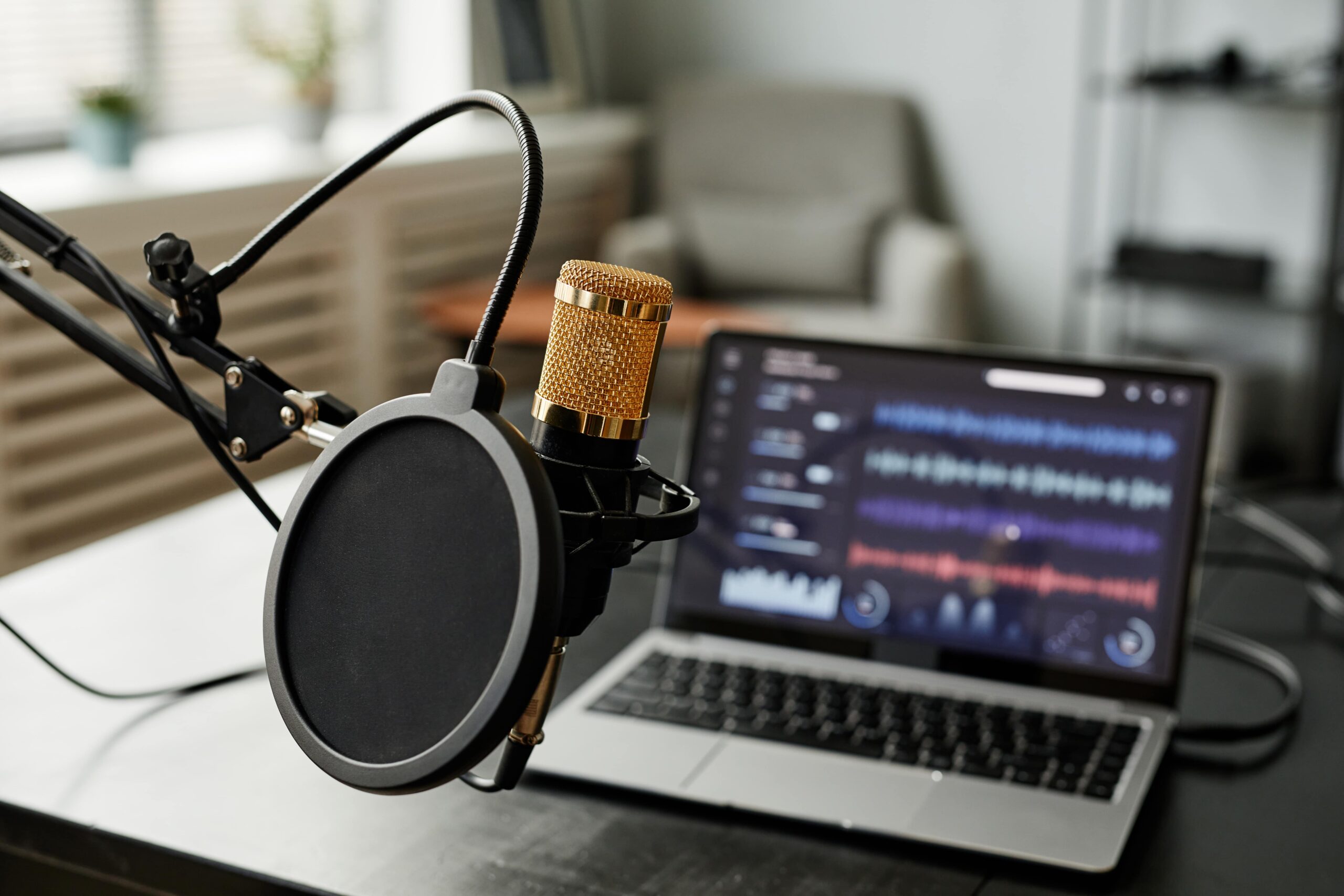
These days, the voice over and creative industry largely operates online. So learning how to become a voice actor also means learning how to set up your own recording studio. While you can use an external studio, setting up your own, usually at home – enables you to produce top-quality audio all the time, anytime. This makes it easier to submit voice over auditions, complete projects with a tight schedule, and confidently commit to projects.
4. Set up an online presence
Strategic marketing, SEO, and social media are vital, as are your online voice acting profile and samples. This is like a resume, so it needs to be top-quality! Then, the next step is to create winning auditions. You might have to audition for different projects before finding your niche, and be prepared to submit anything from 50 to 200 (conservatively speaking) auditions before landing a job. Download our voice over audition checklist for free.
How to become a voice actor: tools for success
Like any industry, there are also certain equipment and tools that can make day-to-day processes easier and more effective. For example, using a Customer Relationship Manager (CRM) is a great way to organize your business. As a result, you can keep track of past projects and clients while building professional relationships with them. Remember, figuring out how to become a voice actor is just the first step. Keeping up with voice over trends, online voice over platform education, and tips from pros can help to strengthen the foundation of your voice over career.
FAQ
- Research the voice over industry as well as what’s involved in becoming a voice actor, from training to equipment.
- Start and grow your voice over business with the right tools, a unique brand, and a marketing strategy.
- Invest in a home recording studio to be able to record top-quality audio for any project at any time.
- Set yourself up for online success with a profile and samples, and be prepared to audition!
Yes. It’s entirely possible, however, it takes skillfull management of your voice over business, a keen eye for opportunities, and good decision making. In the same vein, sheer luck and talent alone won’t be enough, but certainly help.
A voice actor salary can be anywhere from $13,500 to $199,000, with most salaries ranging from $23,000 to $111,500. The large gap depends on a lot of factors including experience, genre specialization, and life situation.
Nowadays, a voice over business (likely) starts in your own home with a home recording studio, and is marketed online. Check out a list of online casting platform options here.
"The first step to building a thriving voice acting business is making sure you’re talented and well trained...The next ... is creating a brand that represents your talent and helps you stand out.
How to improve audio quality of a recording
How to improve audio quality of a recording
Whether you’re a creator submitting an audio or video audition or an influencer creating marketing posts – you’re likely keen to learn how to improve audio quality of a recording. Here’s a breakdown of practical steps to improving audio quality.
Recorded audio has been around since the 1800s with sound inventions like the phonautograph and phonograph. Almost two centuries later, however, audio device size and quality have changed. Today, even a smartwatch as small as a coin has built-in recording functions. Even so, the concept of recordings remains the same – to produce top-notch audio. So, regardless of industry or device, content creators need to know how to produce high-quality audio.
What is audio quality?
Audio quality is an umbrella term that encompasses pitch, volume, accuracy, and the intelligibility of an audio recording. It’s essentially how the human ear distinguishes various aspects of sound, so it’s not, I can hear, or I can’t hear, but how the audio sounds. Since most industries prioritize audio content, those recordings can’t have background noise and/or intermittent vocals if they want to grab and hold an audience’s attention.
Consequently, the difference between good and bad audio quality is that good quality is recorded in an environment with the right equipment conducive to intelligible and clear audio. Bad audio quality is like a recording done through your phone’s camera mic without a proper recording environment. The listener would hear what sounds like a person mumbling in a cave, standing next to a rushing waterfall. So, recording high-quality audio enhances content and brings its value center stage for the audience.
The importance of recording high-quality audio
Good audio quality is essential because the listener:
- Must hear and understand the content without background and noise disruptions
- Will judge the audio quality for professionalism.
Imagine you’re in a live recording session but didn’t shut the door, so your dog runs into your booth barking into your recording. Or, there’s a tree branch you forgot to trim rapping against the window every 10 seconds.
As funny as this may play out in a movie, it’s less funny when it affects your job contracts. Though these sounds are a part of everyday life, they can reduce recording quality, making the sound appear unprofessional – alienating potential clients instead of encouraging them to book you again.
3 steps to quickly improve your audio quality
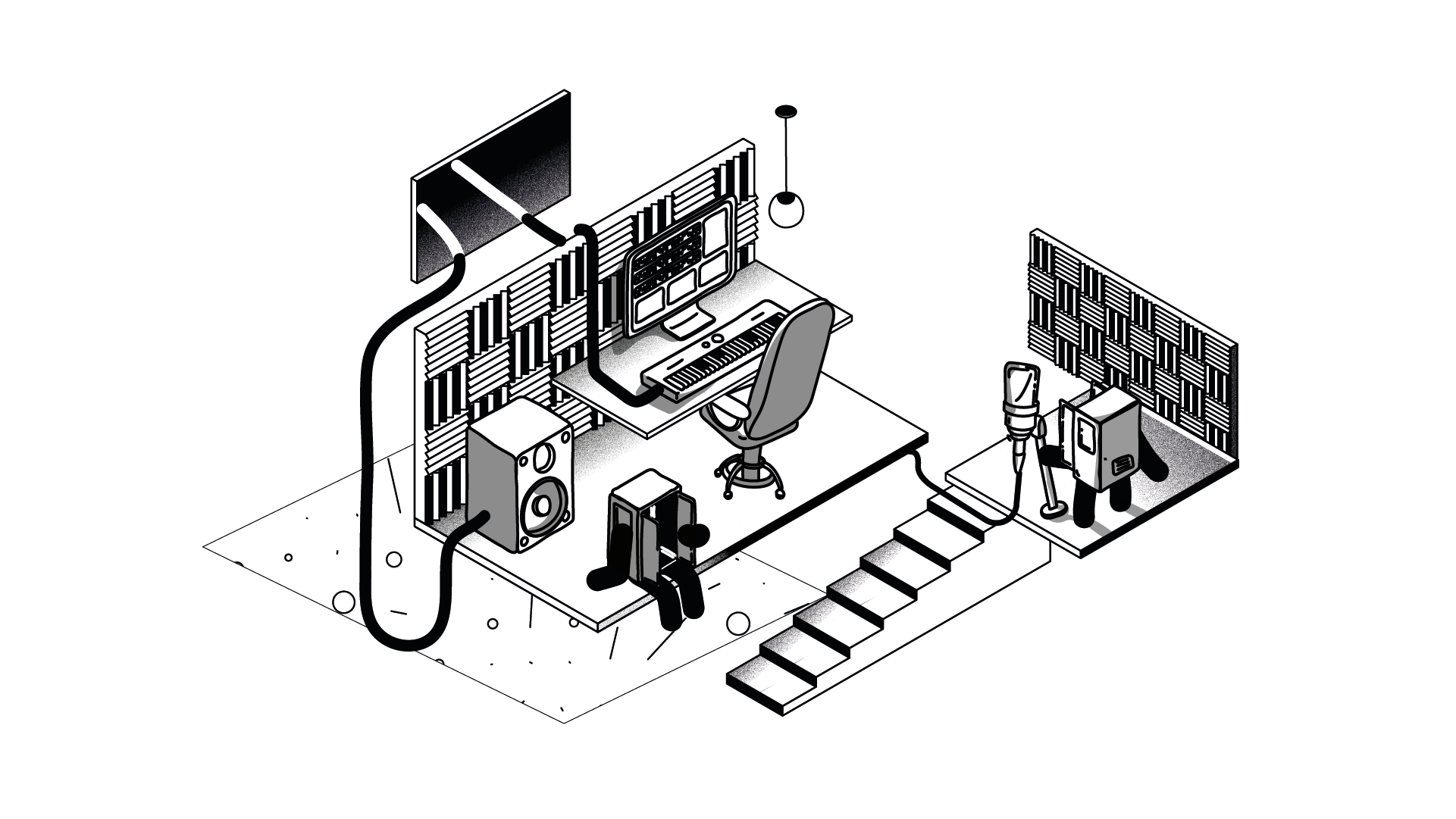
- Create your space: The best way to suppress unwanted noise is to use a proper recording studio; this could be a soundproof room or even a DIY closet.
- Get the right equipment: You don’t need to invest in expensive equipment. You can use second-hand or refurbished options, rent or borrow, and opt for mid-level quality items over ‘This is what everyone uses’ because microphones are never one size fits all.
- Audio editing software: You can use free downloadable software like Audacity or Audio Cutter to cut plosives, sibilance, and unwanted noise.
Improving audio quality in a digital era
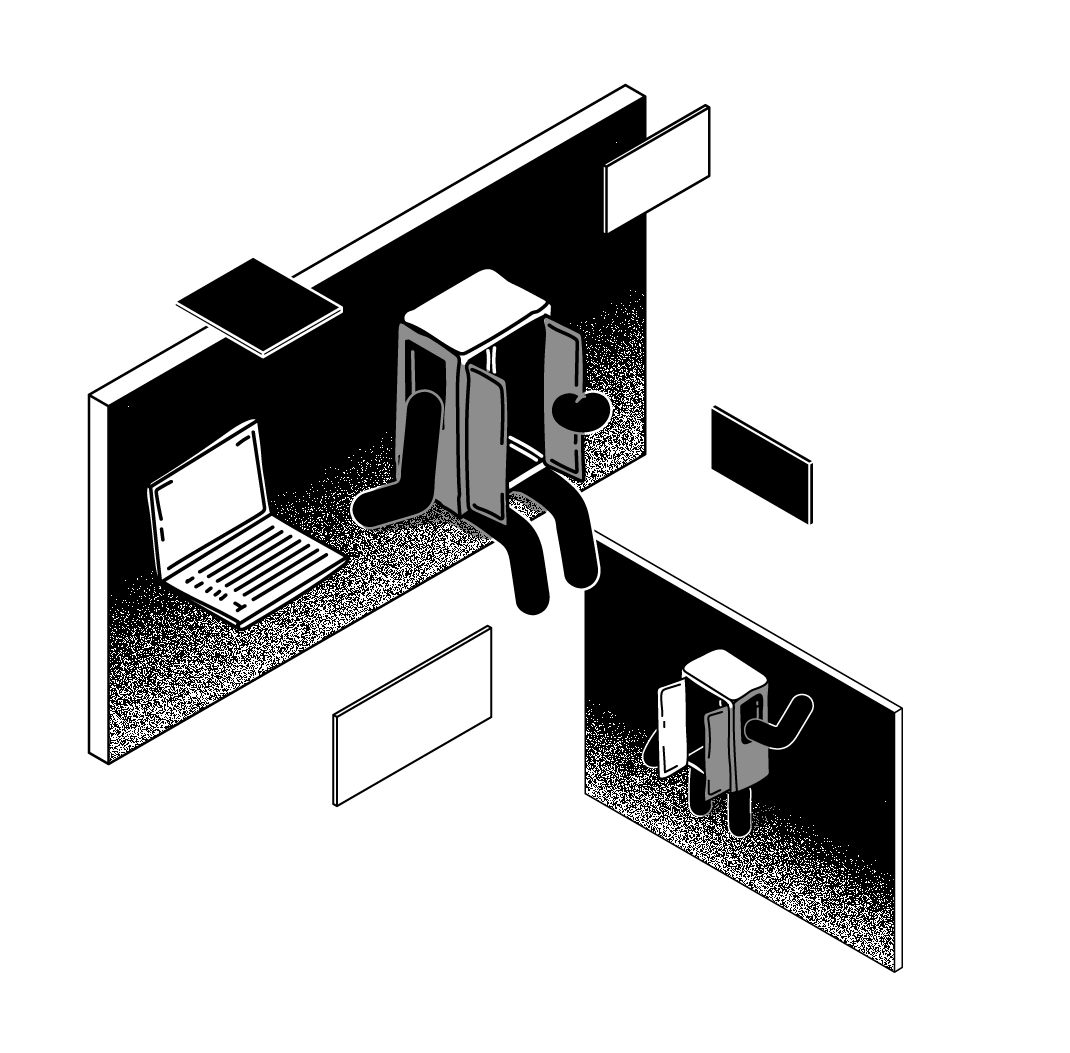
Digital technologies now make it easier to ensure better audio quality. Actors, social media influencers, video producers, and voice actors, to name a few, have audio or video recordings as the foundation of their work. So it’s common for them to utilize these methods to improve audio quality:
- A social media influencer can edit a recipe video with audio software to ensure the ingredient names and cooking methods are audible and clear.
- A voice actor submitting an audition can use a pop filter to eliminate plosives from the audio.
- To create vocal and musical clarity, a video producer can use software and special equipment to maintain certain decibel levels during production.
Auditions, videos, reels, and portfolios are necessary for the audio and video industry because they represent a person’s work skills and personal characteristics, much like a resume or cover letter. So good audio quality affects job hiring, sponsorships, endorsements, and followers.
Think of it this way: As a social media influencer, your content is entertaining, but it has yet to bring you any new followers. Or you submitted some of your best voice over performances, but you haven’t booked any jobs. Since poor audio quality can be a deal breaker, this aspect needs the most attention. Like an expensive gift wrapped in a greasy newspaper has no physical appeal, audio with poor quality can overshadow great content by creating a less-than-appealing appearance.
If you’re happy with your video content or voice over performance but not the sound quality, you can use audio editing software to improve your sound quality instead of re-recording.
How to improve sound quality as a voice actor
In our VO guide, we built a comprehensive section to help you with 3 fundamental elements needed to set up a home recording studio; the right equipment, a good microphone, and making your voice sound better in a recording.
a) As a chef needs specific equipment to produce tasty dishes, the right voice over equipment helps a VA create high-quality audio using features like an audio interface and a computer that can handle your DAW without overheating.
b) The microphone is a voice actor’s primary recording tool, so our brief guide to microphones is like a mini mic buffet that breaks down the different microphones, prices, and uses to suit all project types.
c) Learn helpful post-production tips and tricks to make your voice sound better. How to avoid or eliminate mouth clicks, plosives, sibilance, breathing noises, and background noise.
Improve your audio quality with Voice123
To help you improve your audio quality – we’ve set up a Sound Check service with specialist sound engineers.
Now, you can benefit from their expert ears and advice as they assess your audio profile, troubleshoot issues, and provide a technical, detailed report of best practices.
This will help you improve your sound quality and optimize your work opportunities.
Get started today!
- Request a free profile assessment – our team will advise how the Sound Check service can help you.
- Complete the payment and receive a full technical report within a week detailing specific audio areas for improvement.
- Take the necessary corrective steps and start producing high-quality deliverables.
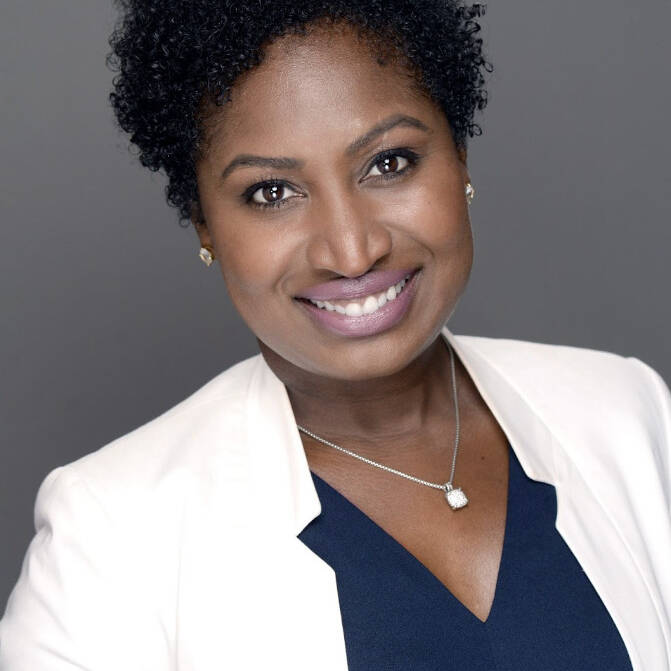
“The Sound Check service was much more than I expected! Having Voice123 review my submitted auditions helped draw my attention to things I did not hear on my own. Within the first week, I received 2 likes from 12 submitted auditions, and I climbed into the top 20% within a month! I plan to use this service again as a benchmark for my progress and implement the feedback for future growth and development.” Jessica W – Voice123 profile / Instagram
Boost your voice over work opportunites with a paid Voice123 membership
First-time paying members are eligible for a discount
FAQ's for creators on Voice123
FAQ's for creators on Voice123
For over 20 years, Voice123 has been helping voice actors to connect their skills with clients’ voice over projects. So if you’re here, you’re either new to Voice123 – looking to set up your membership and profile, or looking to optimize your experience.
Our FAQ’s for creators on Voice123 covers everything you need to know about creating and updating Voice123 online profiles, and samples and includes frequently asked membership-related questions.
If you still can’t find what you’re looking for – feel free to reach out to our Customer Success team at help@voice123.com – they’ll be happy to assist!
FAQ's about your Voice123 profile
Start voice acting with a discount!
*For first-time paying voice actors
Share this post!
A blog owner yourself? Relevant links to quality sites will help your performance on search engines. If your readers will benefit from the services or information on The Booth's Voice over Guide, please consider linking to this post or the guide itself.

How to become an influencer
How to become an influencer
Paid influencers have changed the face of digital marketing. So, it’s not surprising that more and more social media savvy users are considering How to become an influencer. After all, 49% of consumers also rely on online recommendations, which means that influencer posts can also help to reinforce brand messages while providing educational and inspirational content. But while being a paid influencer has numerous perks, much more is involved than just posting occasional digital content.
An instinctive part of human nature is the power of influence. That’s why even beginner influencers can still impact their followers’ buying decisions. In fact, just by recommending a product or posting a review about a restaurant they enjoyed eating at, they may have inadvertently influenced someone to follow suit. Social media influencers must also research the market, stay up-to-date with trends, create a content strategy, and monitor their follower count and engagement rate.
3 initial steps to becoming a paid influencer
1. Start with a niche
The right niche for a paid influencer will be the topic or industry you will have to learn about and create content. So, your niche must align with your skill and passion for helping promote authentic and enjoyable content. However, a niche isn’t set in stone and can evolve with changing industries. For instance, John Cena started as a wrestler but ended up as a successful Hollywood actor and is now an Instagram influencer with 17.9 million followers.
So, when choosing your niche, ask yourself:
- What area of expertise comes naturally to me?
- How can I help others in this field?
- Could I create long-term content in this area? If so, what is my strategy?
- Will I still enjoy creating content even if I’m not paid?
Since numerous niche genres are already available, focus on one that strikes a chord with you. These could include:
- Beauty
- Gaming
- Travel
- Fitness
- Food
With various influencers and creators already active in these genres, it’s vital to play to your strengths and be innovative. That will help you to stand out from the crowd. For instance, Karina Garcia, the “Queen of Slime,” is an influencer with 9.24 million subscribers, a crafting product line, and two best-selling books. So, whatever your passion is, consider what you could do differently from competitors. By approaching your content from a different perspective, you can establish your content as an industry authority.
2. Know your audience
A consistently high engagement rate is one of the keys to success in social media marketing. So take time to learn about the demographics of your potential followers. Platforms also have built-in analytics, which could help narrow down the type of content your audience finds engaging. For example, YouTube Analytics uses key metrics and reports in YouTube Studio to help you better understand your video and channel performance. Using this kind of stats will help you restructure your content to resonate with your audience.
3. Choose a platform
With the wide variety of social media platforms available, choosing one that suits your niche and type of content is crucial. For example, blogging, vlogging, and podcasting involve creating a profile on different platforms. Initially, avoid spreading yourself too thin by trying to post on every platform. Choose one to two platforms that suit your niche, target audience, and skill. For example, if you make great short videos, TikTok is an excellent option. Or, if you want to focus on long and short video content, Youtube might be a better fit for you. It all depends on where you can consistently connect with your target audience.
How do influencers make money?
Influencer marketing is a billion-dollar industry, with brands creating affiliate and incentivized programs for influencers that help them reach the right audience. So there are opportunities to earn money and become a paid influencer, depending on your industry, audience, and content. These include:
- Promoting brands
- Ad revenue
- Hosting events
- Selling products
- Offering services
By focusing on a target demographic, influencers can better promote a specific brand/s via focused content. Their reviews and personal preferences are then like endorsements that lead to conversions.
While each company or brand might offer a different compensation program, these types of partnerships can be lucrative. However, endorsements typically depend on an influencer’s reach and engagement rate. Consequently, learning how to become an influencer involves learning how to create valuable, engaging, authentic, and educational content that followers enjoy.
FAQ
First, start with a niche and carve out a unique approach. Then, choose a platform that suits your content and post quality content consistently while engaging with your followers to grow your network.
Yes and no. Creating valuable content, building a loyal following, and partnering with the right brands/companies takes time and effort. But influencers can earn through sponsored posts and brand partnerships even with a nano following.
“My advice is to, no matter what you’re doing, be authentic, know your angles and make sure you’re always in good lighting, and if you can, try your best to have amazing high-quality photos, high-resolution photos. When I first started, I had cool pictures and it was eccentric and stuff like that. Once I started taking more pictures, more high-quality photos, I noticed a huge difference in how people received my page and how I started to grow. On top of that, I was also authentic, and that also pushed me over the edge as well.”
How to organize your voice over business
How to organize your voice over business
- with The VO Social's career planner
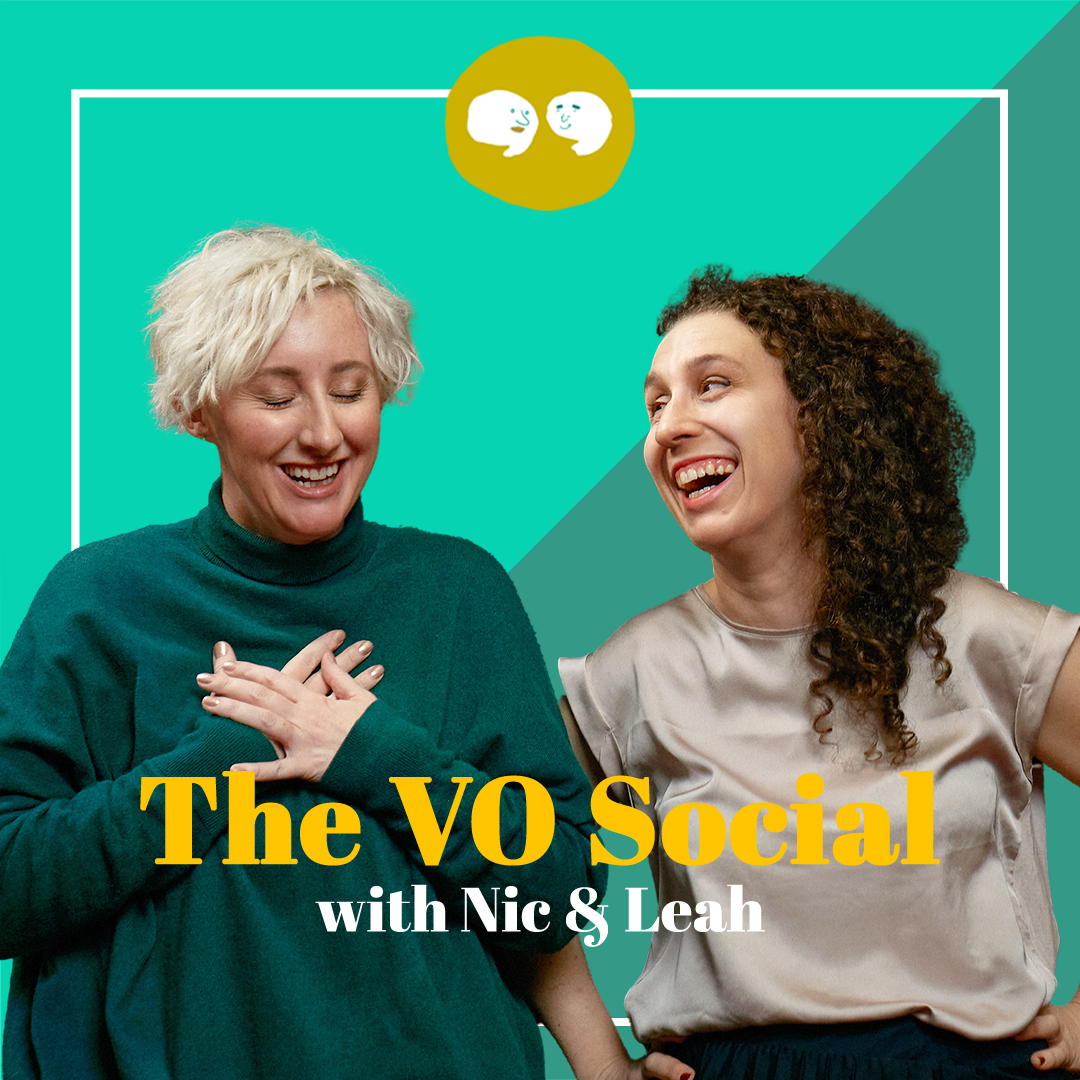
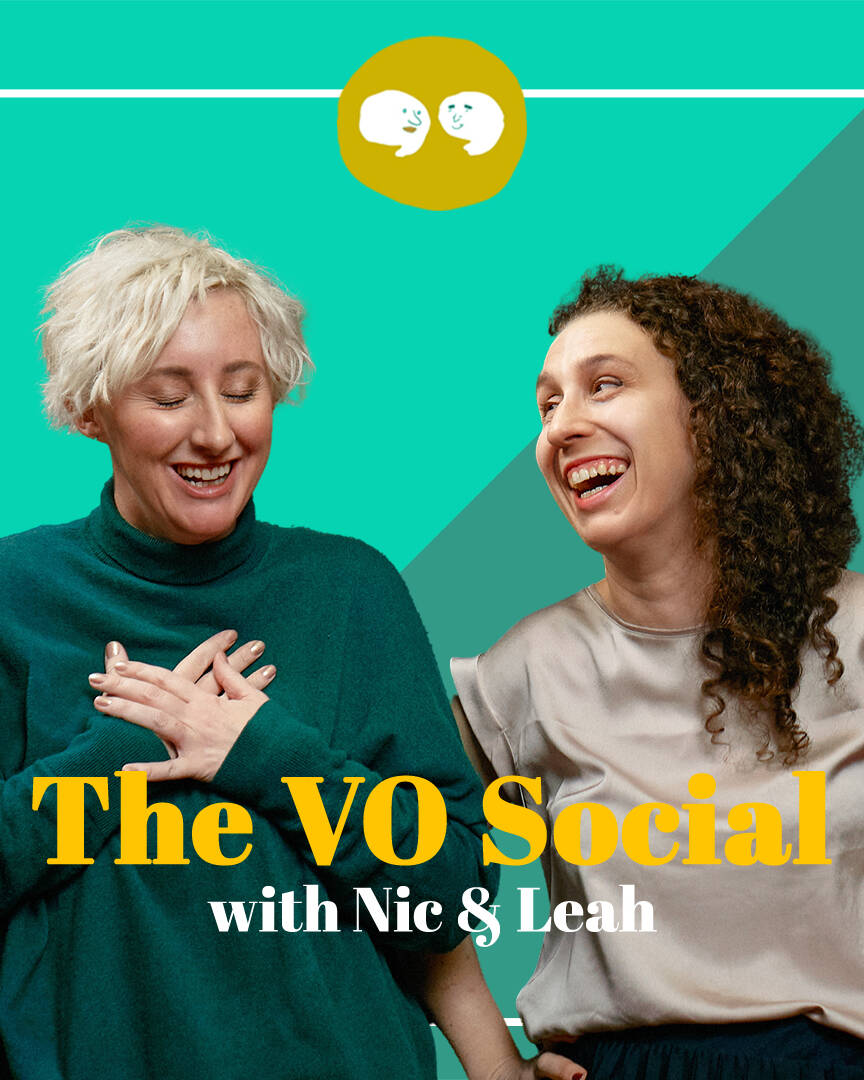
Founders of The VO Social, Leah and Nic share tips and advice from their combined thirty years of voice acting experience to help you better organize your voice over business!
A little bit about them:
Nic Redman: An internationally respected voice coach, voiceover, award-winning podcaster, and queen of the 5000-strong Voice & Accent Hub group on Facebook.
Leah Marks: An unstoppable force of nature, who juggles being a successful voiceover with being an audio drama and podcast producer, a BBC news journalist, an actor, and a writer.
Between them, they have three decades of voice over experience, have been making the award-winning VO Social podcast since 2015, and have developed an original new tool, sharing everything that’s helped them build their careers. They’re sharing their insights with Voice123’s The Booth on organizing your voice over career, as well as the VO Career Planner they’ve created.
Why is important to organize your voice over business?
So you always know what it is you’re doing every day! It’s really important for busy, business folks to use their time effectively. There’s a limited amount of time any of us have and a huge amount of success we are trying to achieve. If you’re not organized it can feel like big chunks of the day are being wasted. Having a solid plan means you always know what needs to be done and can help you avoid feeling overwhelmed.
The benefits of freelancing tools
Interestingly, we found that there wasn’t already a freelancing tool that catered to our specific requirements as voice actors. So we created the Voiceover Career Planner! We and all of our planner users so far are finding that staying organized is much easier once you break down what you’re trying to achieve using the methods in the planner. We’ve been finding that our days are more structured, we feel in control of what we need to achieve in order to get to where we want to be, and we can see how well we’re progressing day to day, which is really inspiring!
What are some key features of the VO Career planner?
- 52 inspirational bits of advice (one per week) from eminent audio, voice, branding, and mindset experts.
- We’ve divided the year into 52 undated weeks so you can start your best-ever professional work whenever you like!
- Two weekdays per page, designed to be flexible to your needs while guiding you to make great choices.
- Pages to guide you through the process of setting and reviewing your goals.
- Four bespoke, exclusive warm-up routines designed by our very own Nic Redman, covering every type of voice over job.
- Two pages of fun and challenging tongue twisters.
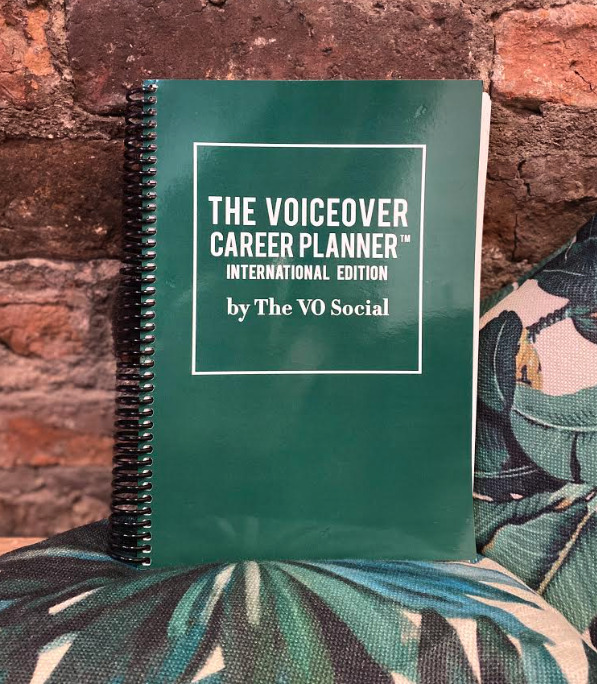
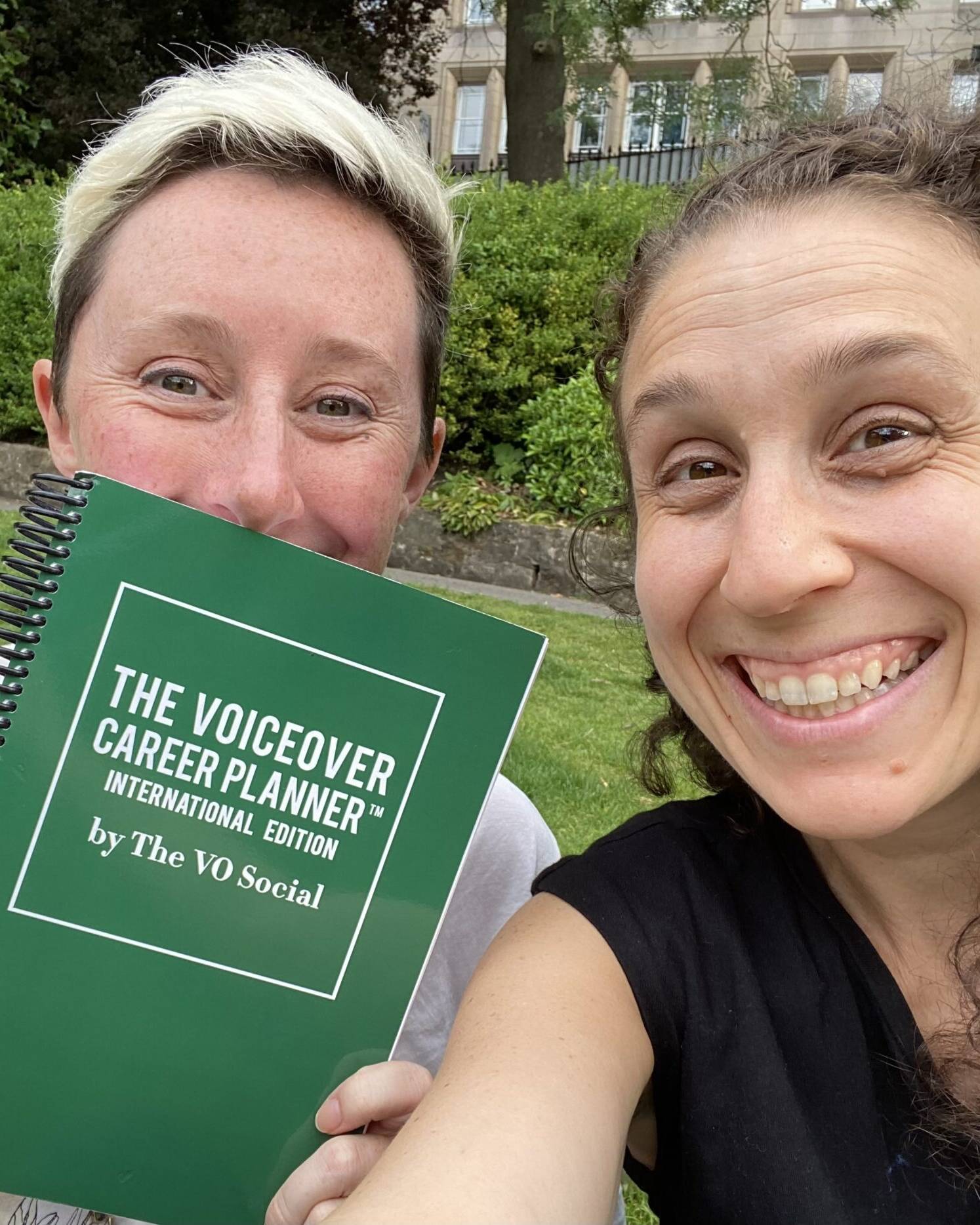
- A curated list of trusted resources to help you work on new accents and dialects.
- Studio troubleshooting tips to guide you through those moments of technical panic.
- Reminders to keep you thoroughly warmed up and on top of your hydration game.
- Tracking pages for your expenses, contacts, and business/social media growth.
- An achievements page to celebrate how well you’re doing, with a reminder to complete it at the end of every week.
And much more!
How can it be used?
We’ve designed the planner so it’s flexible to fit around you – once you establish what your big career goals are, the structure is there to support you in building your path to reach those goals. So, whether you’re determined to land your next big TV commercial, work with a new coach, make your mark in the world of animation or save up for an international conference visit, the planner adapts to meet your needs.
What feedback did you get from voice actors who have been using it?
We’ve had such lovely feedback from the voice actors who have used our planner so far! Here are just a few of them:
“I’m absolutely loving it – I’m so much more organized.” – Emily
“I feel like I’ve got a map and a structure, and it just makes me feel so much more in control. It’s totally taken everything I do to another level because I can see myself every week progressing. It’s amazing!” – Alix
“I’ve found it so useful – it holds me accountable, and I highly recommend it!” – Marisa
When does the 2022 VO planner release?
It’s out right now! We gathered feedback from nearly a hundred people who bought the first generation and piled all of that into the second generation, which is even more useful and encouraging. We’ve also created an international version for people outside the UK, so it’ll work for you wherever you live. Happy planning everyone!
You can find the spangly new updated version at The VO Social.
Share this post!
A blog owner yourself? Relevant links to quality sites will help your performance on search engines. If your readers will benefit from the services or information on The Booth's Voice over Guide, please consider linking to this post or the guide itself.
What are the best vocal exercises for voice actors?
What are the best vocal exercises for voice actors?
What are vocal exercises?
Think of vocal exercises like baking. You have to do certain things before you get a grand masterpiece of a cake. Such as pre-heating the oven, mixing the ingredients, greasing the cake mould and so on. Vocal exercises are basically the preparation of your voice so that the grand masterpiece of a VO is as pitch-perfect as possible. It also ensures that you don’t overstrain your voice or use your vocal tools without the right vocal warm-ups. And while vocal exercises are vital for pre-recording, it’s also important to do them regularly as a way to keep your voice in good tip-top shape.
Why should you do vocal exercises?
Going back to our illustration of baking, you’d never want to throw your cake in a cold oven! So don’t use ‘cold’ vocal cords. Doing vocal exercises warms up your vocal cords and protects them from damage. Taking care of your voice by doing vocal warm-ups helps to ensure that your voice lasts throughout every job and your entire voice over career.
What are the best vocal exercises for voice actors?
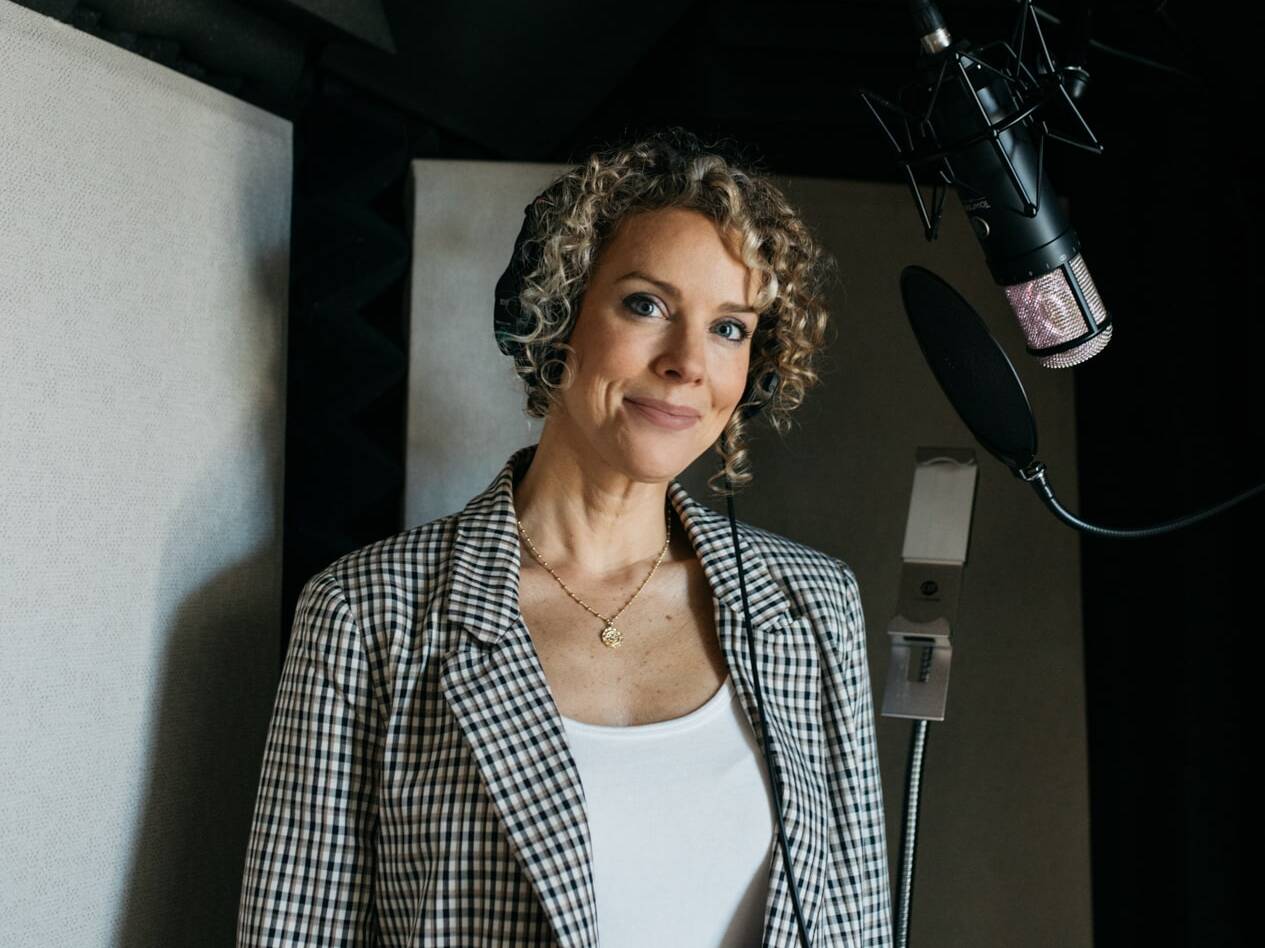
Heidi Rew shares her insights:
To be honest, vocal exercises have always bored me! I feel the same way about warming up and stretching before a run; I just want to get going.
But as you’ve read, it helps enhance our performance and can save us from possible strain. The exercises that I’ve found that work and hit the three areas mentioned above are what I’ve learned from vocal coaches like Mama Jan over the years. I’ve outlined them below and you can check out my video further down.
- RESPIRATORY
I grew up with coaches showing me the book trick to ensure I’m breathing from my diaphragm. My most recent coach taught me a new way that I love even more! This exercise helps you to know if you’re using your diaphragm to support your breathing.
Exercise: Using a plastic baseball bat, sit on the floor near a wall. Place one end of the bat on your stomach, in the area of your diaphragm, and the other end on the wall. Fully engage your diaphragm. Now, do some deep breathing (breath in and hold as long as you can), sing or read a script with long sentences. You should be able to keep the bat steady against the wall.
- PHONATORY
Another fun trick I learned from that same coach was using a Kazoo! These are so much more fun than scales! This exercise not only helps to warm up your vocal cords but also helps with breath control.
Exercise: Using a kazoo (or a straw would also work but a kazoo is so much more fun), hum a song. This helps warm up those vocal cords and requires a consistent stream of breath.
- RESONATORY
I used to be the voice of Belk department stores and we’d have consistent sessions every couple of months (sometimes more). We had a session scheduled the day before Thanksgiving and ended up catching a cold a few days prior and I barely had a voice.
I rested my voice and did all the things I needed to, but the day of the session arrived and it was still not ‘normal.’ So, during the ride to the studio, I did this next exercise. As soon as I got there, I was able to eek out a few takes they were happy with which I really credit to this warm-up.
Exercise: Start as low as you can go then go as high as you can making a siren sound. Think about the sound being in the top of your head and through your nose. It sounds really weird but you should almost feel a clarity in your nasal cavities.
What exercises for voice actors are the most common?
Many voice actors use tongue twisters. For myself, I use a different trick. While tongue twisters are great, this trick you can even do in a session if you get caught on a word. It is super effective in loosening up your whole mouth.
Exercise: Take a pencil and stick the long part in between your top and bottom teeth. Close your lips over it and read through a script with the pencil in your mouth. Your mouth has to work harder to get the words out, so once you take the pencil out, those words should come out like butter.
There have been times I’ve been in a session and I got stuck on something. I ask the client, “May I have one minute to do something?” I put the pencil/pen in my mouth and say the sentence. Once I take it out, the words always flow just fine.
Are there beginner exercises?
The above exercises really do work for beginners or advanced talent. They’re easy to remember and you don’t have to have a singing background to do them.
What are vocal exercises for singers?
There are so many different vocal exercises for singers, but let me share an app that I found that walks you through these. When I’m in my sound booth, I want to make sure I’m on pitch when doing a singing exercise. Unfortunately, I can’t fit a keyboard in the booth. So, I found this app called Swift Scales. It walks you through scale exercises from beginner, intermediate and advanced. It also has quick warm-up scales if you only have a couple of minutes. You can also adjust the notes based on your range. It’s been so helpful for me.
Special thanks to Heidi Rew from Atlanta voice over studio for sharing these insightful tips and vocal exercises!
Be sure to check out the video above for Heidi’s walk-through on performing some of these vocal warm-ups!
Share this post!
A blog owner yourself? Relevant links to quality sites will help your performance on search engines. If your readers will benefit from the services or information on The Booth's Voice over Guide, please consider linking to this post or the guide itself.
How to take care of your voice
How to take care of your voice
How does your voice work?
Speaking, talking, reading aloud, conversing, chatting, voice acting – it all involves the use of our voice. But where does your voice come from?
While we hardly give it much thought because our voice is such an integral part of our being, voice production is more complex than you might think. Speaking involves the interaction of three separate systems inside us:
1. Respiratory. Essentially, your breathing apparatus: your lungs, ribcage, chest muscles, diaphragm, and windpipe.
2. Phonatory. This is the larynx or ‘voice box’, as it’s often called. It includes your vocal cords – two small muscles within the larynx.
3. Resonatory. The vocal tract, which includes your throat, as well as the nasal passages, sinuses, and your mouth.
Your breath powers your voice production. Before you speak you inhale and start speaking when you exhale. The flow of air moving through the voice box and vibrating the vocal cords is what creates your audible voice. By contracting and relaxing your vocal cords, you can produce a variety of buzzing sounds and vary the volume by increasing and decreasing the amount of air that passes through the vocal cords.
What really makes our voices distinct and individual is the way those sounds are shaped – and that’s where resonance comes into play. The length and shape of the vocal tract influences the shaping of our vocal tone. Resonance adds substance to the voice and greatly impacts how others hear us. Vocal training often involves developing resonance because it greatly enhances tone. Of course, once all this buzzing reaches your mouth, you use your tongue, teeth, and lips to turn it into articulate speech!
For most people, an adequate balance between all the systems involved is achieved naturally. When you use your voice professionally as a voice actor and you have to read a demanding script or interpret dialogue for a video game character, however, you have to be a lot more careful. Straining can cause problems.
Best practices to learn how to take care of your voice
Voice training is crucial for any professional voice actor because of the frequent demands the profession places on their voices. Continually straining your voice can destroy it – and voice actors who lose their voices have very short careers.
That’s why Voice123 and Heidi Rew from Atlanta voice over studio are bringing you a new voice over section filled with expert tips, advice, and insights to take care of your voice and have a sustainable career!
In this series, you’ll learn more about
- how to take care of your voice
- what is vocal hygiene
- practical vocal exercises
- tried and tested vocal warm-ups
FAQ's
Vocal hygiene involves exercises and best practices to take care of your voice, which leads to a sustainable voice over career.
As a voice actor, your voice is your main tool or instrument in order to audition and complete voice over jobs. Caring for it is vital so that your voice is always at the top of its game!
Share this post!
A blog owner yourself? Relevant links to quality sites will help your performance on search engines. If your readers will benefit from the services or information on The Booth's Voice over Guide, please consider linking to this post or the guide itself.
Voice123's booking feature: The Liz Saydah success story!
- Accommodates her workflow
- Allows for easy communication
- Is easy to navigate
- Tracks her earnings from the platform
Challenges Liz wants to avoid
Emails getting lost or stuck in spam
Different audio formats
Confusing interfaces
Time-consuming processes
- The booking feature provides flexibility with no hidden channels and has the security of getting paid.
- It’s a one-stop shop; the client can message, upload everything, and payment can be made.
- It has a streamlined format that avoids back-and-forth delays.
- It’s an efficient system; emails won’t get lost and the communication channels are tried and true.
- She can accept, negotiate, and manage the booking all in one place.
- Liz has been hired 17 times via the Voice123 booking system so far this year.
- She's earned around $8642 in direct booking earnings.
- The Voice123 secure payment service was used in around 40% of her bookings.
- She doesn’t have to navigate different tabs and appreciates the clean interface.
- It allows her clients the option to pay via Voice123 or directly.
"I like that you can either upload the audio file in the booking or add a link. Sometimes the files are really large or clients have to share the files with colleagues. So having that flexibility of a link is great. Then they can just directly forward it to whoever needs it. That's always a plus."
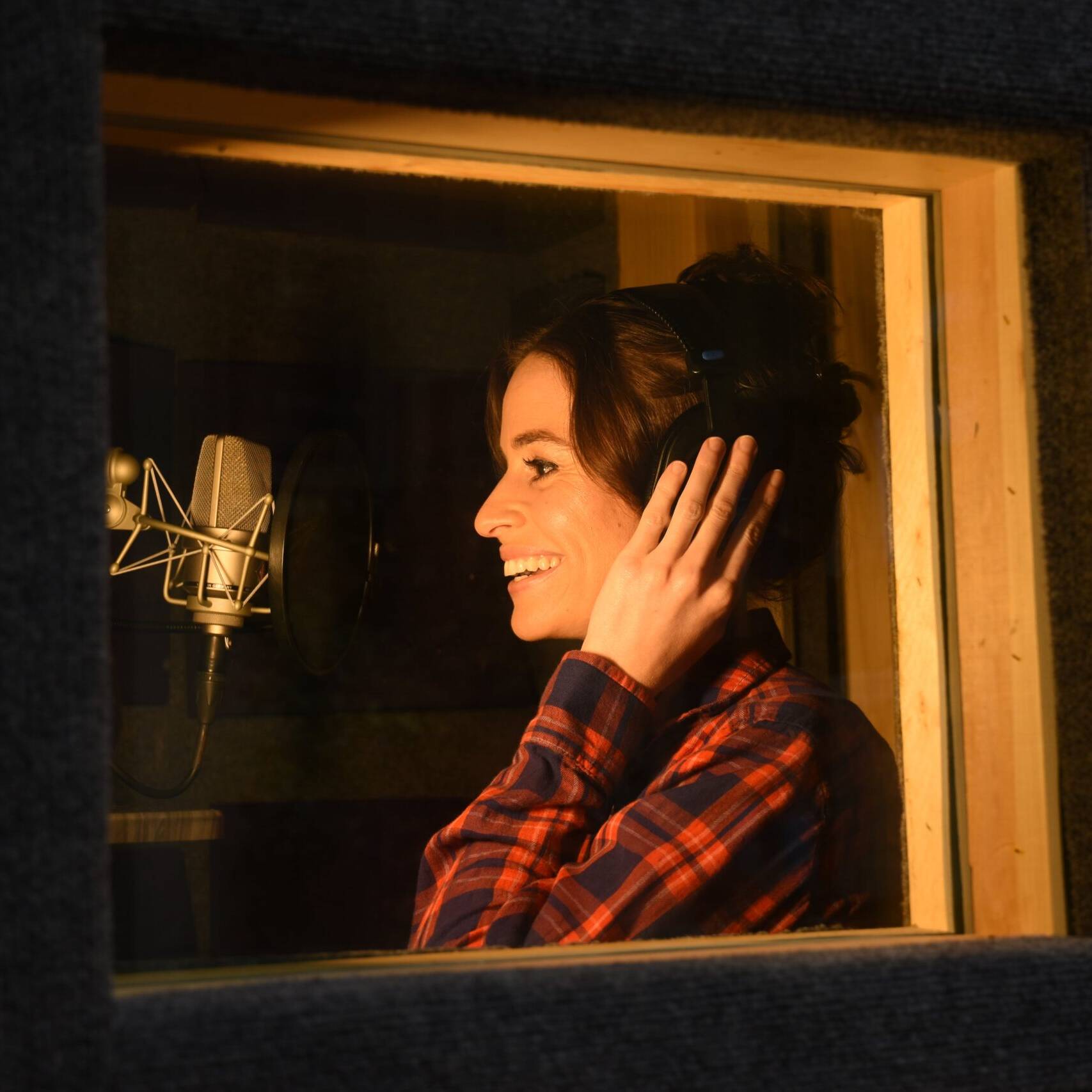
How does Voice123's booking feature work in real life?
Liz shares some outstanding expereinces!

“My most exciting one of late was a national spot for Disney plus. We used Voice123’s booking feature a few times and then it changed hands. It was a really fun promo and a great example of how seamless the booking system was.”
“I’ve also done some voice over work for Aetna, the healthcare company. That also started on Voice123; we booked a couple straight through and once we had established a kind of recurring relationship then it was much easier to move forward.”
Ready to save time and get paid securely?
Join thousands of voice actors using Voice123's booking feature!
How to get voice over jobs for beginners
Have you ever wondered how to become a voice actor? Or how to get your first voice over job with no experience? The good news is that the demand for professional voices is growing rapidly, and there are more opportunities than ever for beginners. Whether you want to record voice over jobs from home, audition for voice acting jobs online, or learn how to get into voice over work, this guide will walk you through everything you need to know.
What are voice over jobs?
Voice over jobs are professional opportunities where you record your voice for a project. These voice acting jobs can include:
-
Narration – documentaries, e-learning, audiobooks, or corporate training
-
Commercials & ads – for radio, TV, YouTube, or TikTok campaigns
-
Video games & animation – character voices, anime dubs, or virtual worlds
-
Explainer videos – company introductions, product tutorials, and internal training
-
Podcast branding – intros, outros, and sponsored ad reads
Voice actors may be hired for one-off projects or long-term collaborations. And with technology today, many voice over jobs for beginners are available remotely, meaning you can start your voice over jobs from home career with minimal investment.
5 types of voice over jobs for beginners
- Commercials/ads: Many startups have smaller budgets and shorter deadlines, allowing newcomers opportunities to record radio and social media ads or promo videos.
- Explainer videos: Previous experience isn’t generally required for explainers if you can provide exciting explanations of a company’s product, service, or concept for websites or social media videos.
- Narration: Audiobook producers, e-learning platforms, and filmmakers hire available voice actors for documentaries, audiobooks, e-learning courses, or corporate training materials.
- Animation character voices: Animation studios, game developers, and content creators need unique, expressive character voices for animated characters in cartoons, video games, or animations.
- Podcast intros and ads: Some podcasters hire voice talent regardless of experience to add branding to their shows with recorded intros, outros, and podcast advertisements.
How to find voice over jobs for beginners
1. Join Voice Over Platforms
Websites like Voice123, ACX, and Voices.com connect beginners with real clients. These platforms are designed for newcomers to audition for voice acting jobs from home.
2. Upload Voice Samples
Clients need to hear your work before hiring you. Create short samples (30–60 seconds each) across genres: commercials, narration, character voices, etc.
3. Network on Social Media
LinkedIn, Facebook groups, and even TikTok are great for finding voice over work. Follow production companies, podcast hosts, and video creators.
4. Build a Sample Playlist
A sample playlist is your “CV” in the industry. It showcases your range, style, and ability. Even short samples recorded at home can help you land voice over jobs for beginners.
5. Look Locally
Don’t overlook local production houses, radio stations, and ad agencies. Many offer entry-level voice acting jobs no experience required.
Here are some key steps on how to get into voice acting.
How to get into voice over work: A step-by-step plan
1. Research where to find voice over jobs for beginners
Online platforms like Voice123 are popular starting points that offer industry insights with blog articles and voice over jobs for beginners. Professional networking platforms like LinkedIn, Glassdoor, and The Muse can lead to personal introductions with hiring companies, prompting potential voice over jobs for beginners from home. Listen to podcasts and interviews with experienced voice actors to learn more about their strategies for success. You can also attend voice acting workshops and conferences and join social media groups online.
2. Hone your voice over techniques
Getting voice acting jobs involves more than just reading scripted lines. Each project requires specialized techniques. A voice actor for Japanese anime could require a great deal of screaming to create a dynamic, emotional delivery. An audiobook narrator needs vocal stamina to record consistent audio for long periods. So, if you’re looking for voice over jobs for beginners, learn voice care tips, techniques, and exercises to avoid putting undue pressure on your vocal cords. Find out more about how to take care of your voice.
3. Get the right voice over equipment
To get voice over jobs for beginners from home, you need a reliable home studio setup. But you don’t need to spend a fortune on a deluxe soundproof studio. A DIY booth or even a modified closet works. Next, invest in good-quality equipment like:
- A computer/laptop
- A microphone
- A pop filter
- DAW
- Audio interface
- Studio headphones
- A recording space with acoustic treatment
In the beginning, finding the right tech will involve time and effort because no one size suits all. But there are many guides on finding the right equipment for a home studio setup to help you produce top-notch audio!
4. Be persistent in your search for voice over jobs
As you start out, not every door you knock on will open to an incredible opportunity. So, learning the best genres for your voice or how to finetune your auditions is more of a marathon than a sprint. The more persistently you knock, the better your chances of finding work are. Don’t let rejection get you down emotionally. Use it as a stepping stone to improve and prepare for your next audition. Consider what you can do differently at your next audition to help you concentrate on your end goal.
5. Build a profile with samples for different voice over jobs
Each gig you take on, whether audiobook narration or character voices, amplifies your experience. So include everything voice-related in your portfolio, from a library reading to your college DJ gig. When you audition for jobs on Voice123, some projects allow you to use it as a voice sample on your profile. And as a newcomer, every audition counts, whether you are booked for the job or not. So, add these samples to your portfolio to showcase your talent to potential clients. These samples depict the range and versatility of your skills and help you secure a solid career in the voice acting industry.
Create top-quality audio with expert help!
Voice over jobs from home: What you need to know
One of the best parts about starting as a beginner is that many voice over jobs from home are available. With a laptop, mic, and basic setup, you can audition for projects worldwide.
Advantages of Voice Over Jobs from Home:
-
No commute
-
Global clients
-
Flexible hours
-
Ability to grow at your own pace
Challenges:
-
Requires self-marketing
-
Inconsistent income at first
-
Discipline to manage time and auditions
Still, most new voice actors begin their careers entirely from home.
What do voice over jobs from home pay
Rates vary depending on the type of project:
-
Explainers / Short videos – $50–$150
-
Audiobooks – $200–$400 per finished hour
-
Commercials – $250–$1,000+ depending on usage rights
-
Video games & animation – $100–$500 per character role
As you gain experience, your voice over rates will increase. Beginners often accept smaller projects to build credibility, but voice over work can quickly become a well-paying career.
Conclusion
Getting into voice acting jobs in 2025 doesn’t require years of training or a Hollywood connection. By practicing your craft, setting up a home studio, and consistently auditioning, you can land voice over jobs for beginners, even with no experience. With persistence, your first small gig can grow into a long-term career in the voice acting industry.
FAQ
Start by practicing at home, creating a sample playlist, and signing up for online casting platforms like Voice123. Many voice over jobs for beginners are open to new talent.
Yes. Clients are always on the lookout for a voice actor who sounds unique and can make their project stand out. Beginners can book voice acting jobs no experience required if their samples sound authentic.
You’ll need a sample playlist, a home setup, and persistence. Audition frequently on platforms and network with producers for voice over jobs.
Set up a quiet home studio, record practice samples, and start auditioning. Most voice over jobs from home are remote and offer flexible working hours.