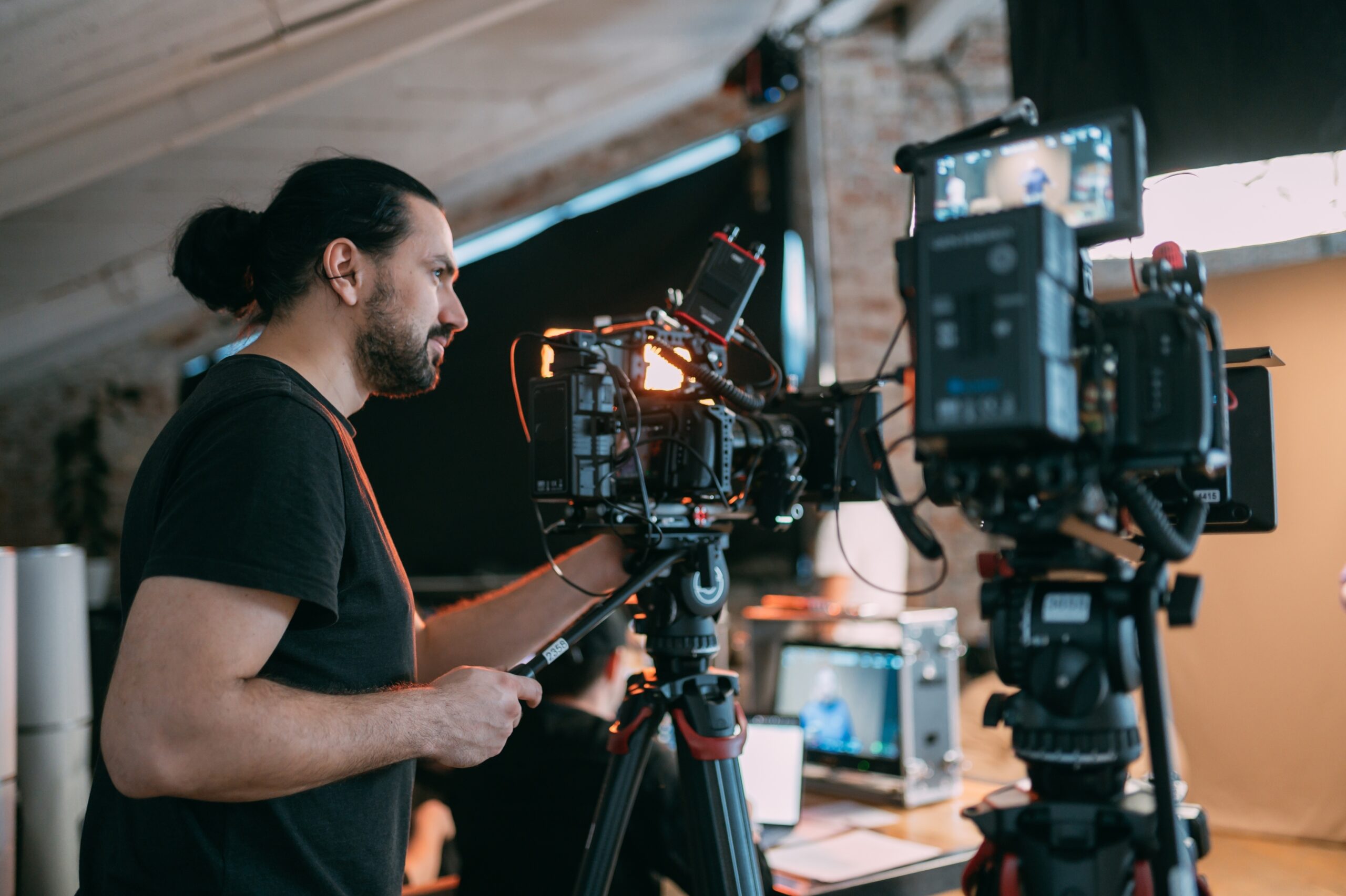
What is cinematography? Easy answer?
It’s visual storytelling that keeps audiences glued to their seats! It makes us want to go to a movie theater and enjoy a theatrical experience.
So if you’re directing a short film or producing a commercial, understanding what is cinematography will help you craft a narrative that impacts how audiences see and feel your story.
Because at Voice123, the world’s most trusted voice over network to hire professional voice actors, we know that powerful visuals are crucial to a great production.
In this post, we’ll explore these points:
- What is cinematography?
- What is blocking in cinematography?
- What is handheld cinematography?
- What is the best camera for cinematography?
- What is a cinematographer?
- What does a cinematographer do?
- What are the best cinematography movies?
- How to improve your filmmaking
What is cinematography?
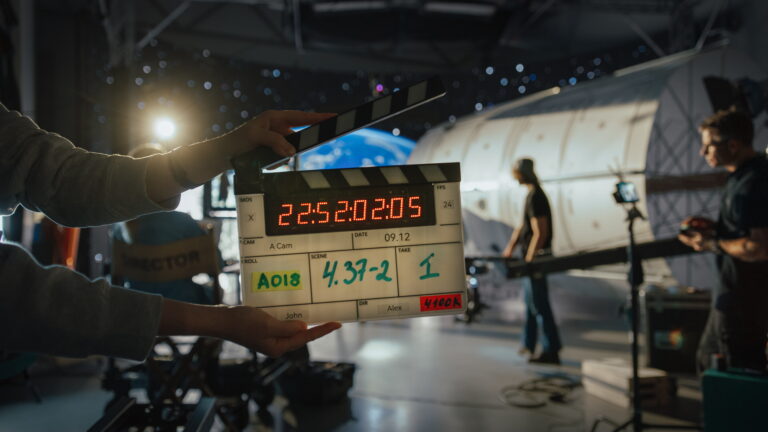
Cinematography is the visual art of capturing motion pictures through camera angles, lighting, framing, and movement. The cinematography definition, according to the American Film Institute, is “the art and technology of motion-picture photography,” but in filmmaking, it extends to involve storytelling with light and shadow.
Every shot, color tone, and lens choice is another layer of storytelling with light, art, and shadow. Cinematography transforms scripts into moving stories. It’s what makes the difference between just filming and creating cinematic photography that audiences remember.
What is blocking in cinematography?
Blocking refers to the choreography of actors and the camera within a scene. It determines where characters stand, how they move, and what the audience feels. A well-planned blocking setup for cinematic photography builds emotional rhythm — for instance, tight blocking amplifies tension while open spatial blocking evokes freedom.
Blocking connects creative direction with camera motion. Directors and cinematographers plan this collaboratively to ensure that every movement supports the story’s emotional beats. If you’re mapping out your next film, make blocking part of storyboarding essentials to pre-plan your cinematic layout.
What is handheld cinematography?
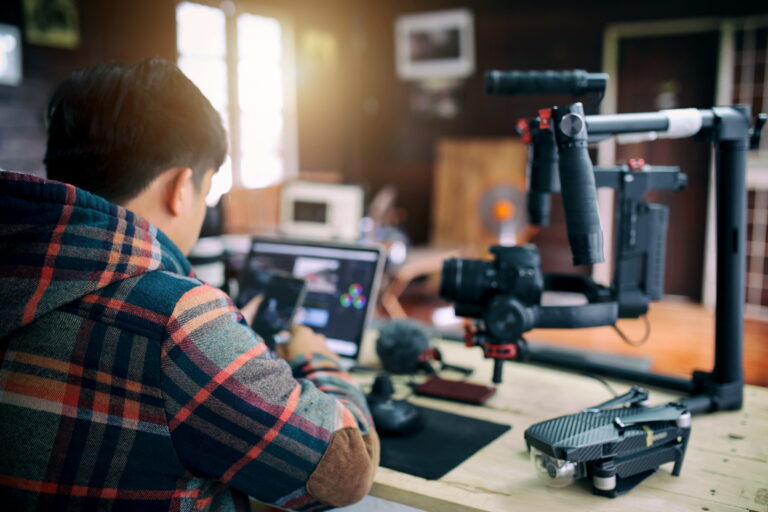
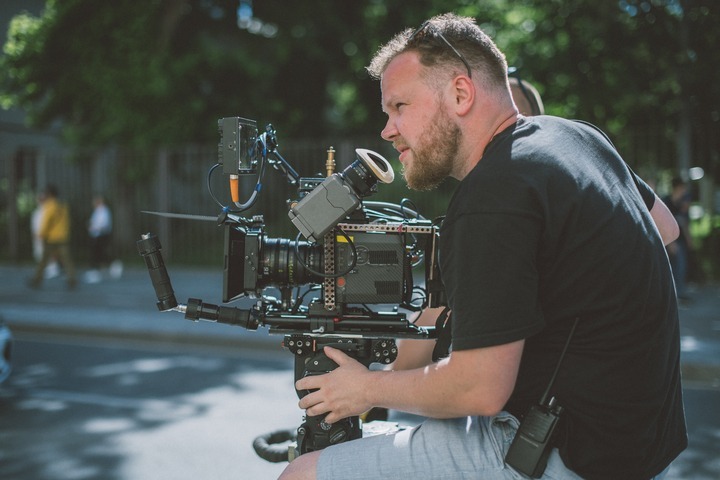
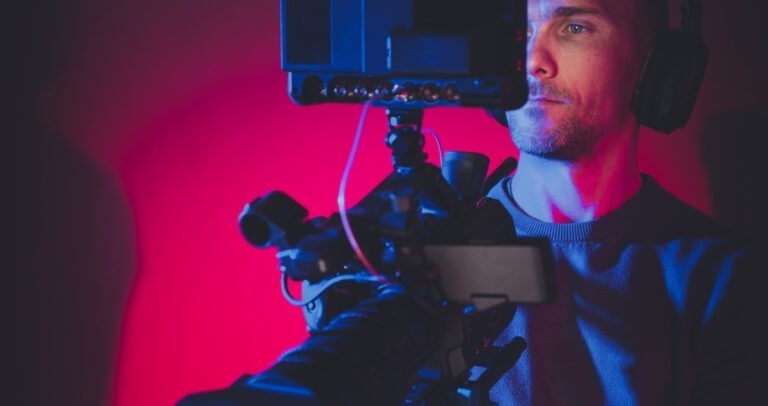
Handheld cinematography is a technique where the camera is physically held by the cinematographer, resulting in dynamic, organic movement. It’s intentionally imperfect because the shake adds realism and immediacy. Films like The Hurt Locker and Cloverfield are perfect cinematography examples of this documentary-style shooting.
For directors or producers seeking authenticity, handheld filming gives an emotional pulse to scenes that fixed rigs can’t. It’s an essential technique when you want your audience to feel like they’re part of the story.
What is the best camera for cinematography?
The best camera for cinematography depends on your production goals and budget:
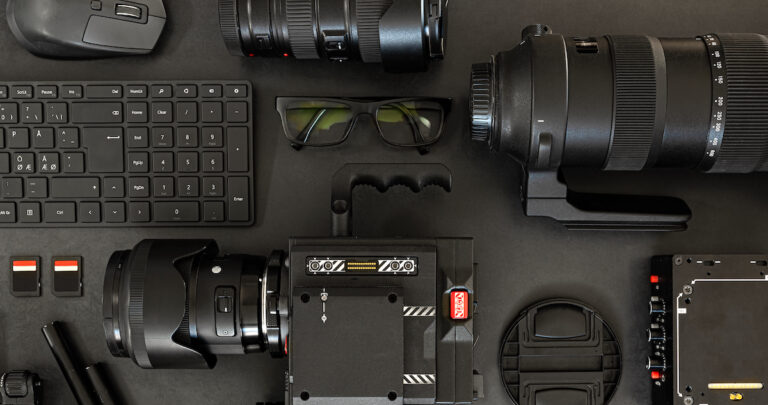
- ARRI Alexa Mini LF: Unrivaled for cinematic color and dynamic range.
- Sony FX6: Ideal for handheld or run-and-shoot filmmaking.
- Blackmagic URSA Mini Pro 12K: Delivers Hollywood-grade visuals at an indie price point.
Finding out what is the best camera for cinematography involves choosing the one that matches your creative vision. What matters most is how you use lighting, composition, and movement — the core cinematic elements that shape visual emotion.
The core cinematic elements
The main cinematic elements combine technical skill and artistic instinct. Key elements include:
- Lighting: Defines mood, time, and tone.
- Composition: Shapes visual focus and storytelling depth.
- Camera movement: Controls rhythm and intensity.
- Color palette: Conveys emotion and symbolism.
- Lens choice: Influences intimacy and perspective.
Now that you know the cinematography definition, what is a cinematographer?
What is a cinematographer?
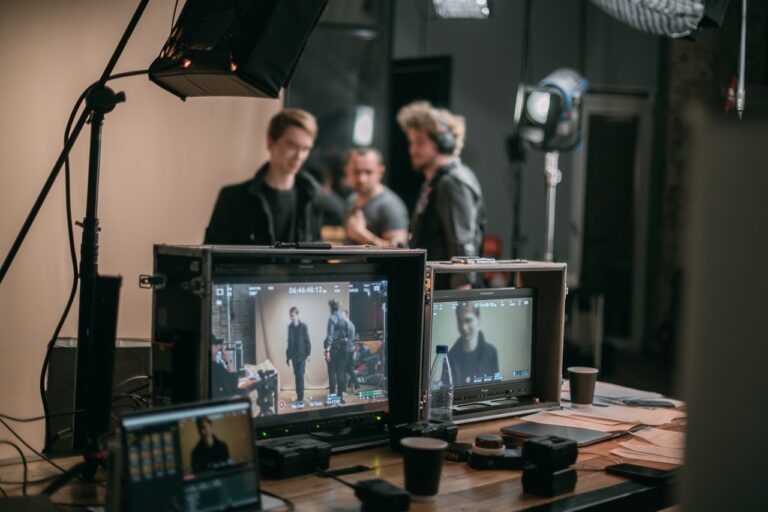
A cinematographer (also known as a director of photography or DOP) is the creative and technical lead responsible for the visual appearance of a film. They choose camera setups, lenses, lighting designs, and movement styles to express the director’s vision.
In short, if the director tells the story, the cinematographer shows it. Together, they create the film’s visual language, from the soft glow of a sunrise to the harsh landscapes of a survival thriller.
What does a cinematographer do?
If you’re interested in what does a cinematographer do day to day? Here’s the breakdown. Cinematographers:
- Designs the cinematographic style with the creative director.
- Plans and tests lighting setups and camera movements.
- Chooses lenses, framing, and focus to match tone and emotion.
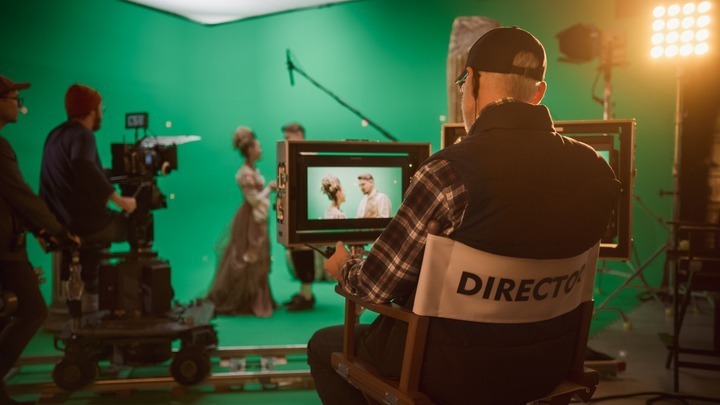
- Directs the lighting and camera crews during production.
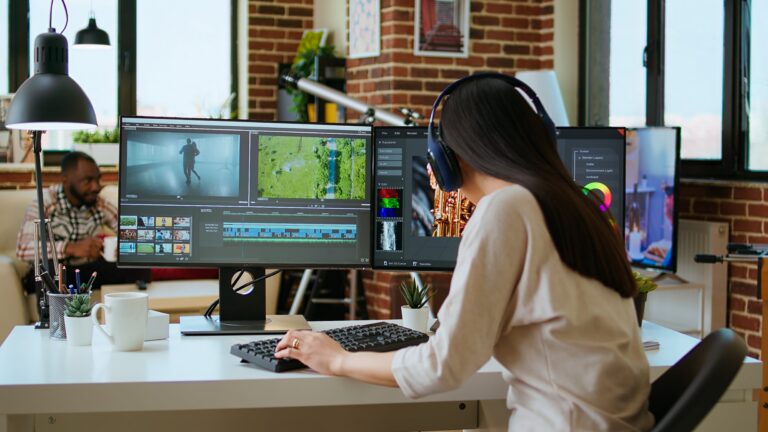
- Oversees color grading in post-production to preserve consistency.
To see how planning helps cinematographers visualize the filming structure, check out this post on video production techniques for captivating content for more insights.
Cinematography examples
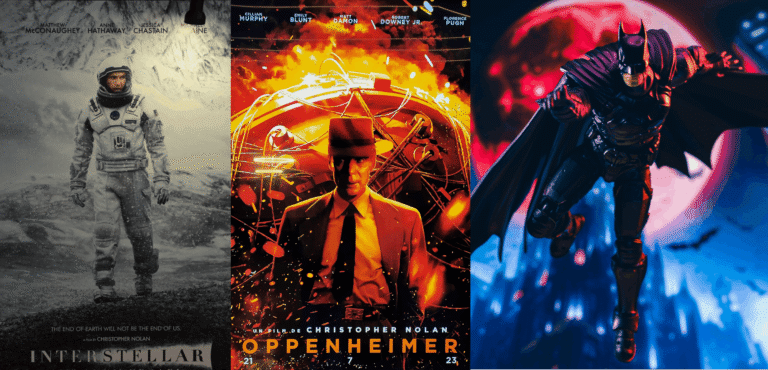
Some of the best cinematography movies prove that emotion can be told entirely through visuals. Each of these cinematography examples won an Academy Award for Best Cinematography:
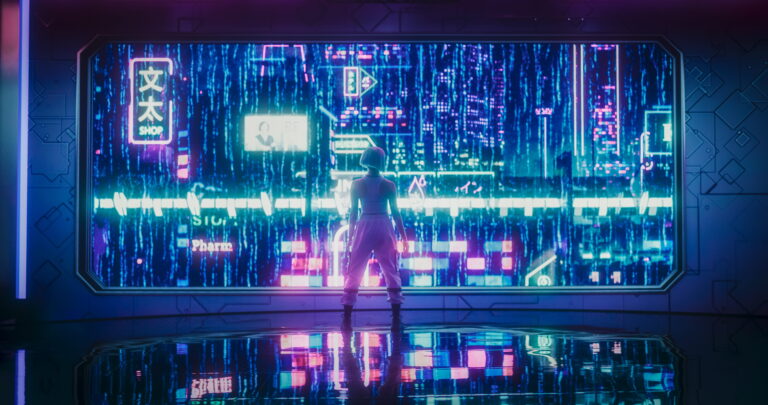
- Blade Runner 2049: Roger Deakins’ futuristic palette of stunning visuals, sharp neon lighting, and heavy use of fog brought one of the best cinematography movies to life.
- 1917: Deakins once again used a groundbreaking one-shot style of filming. Multiple elaborately choreographed takes were stitched together to create the illusion of continuous movement.
- The Revenant: Emmanuel Lubezki’s use of natural lighting brings the survival story to life, set against the backdrop of an uncharted wilderness.
- La La Land: Linus Sandgren synced the color and camera angles with the music to visually portray the story’s rhythm.
- Dune: Greig Fraser’s use of vast landscapes and shadowed interiors created an otherworldly grandeur that contrasts with the harshness of the desert in one of the best cinematography movies.
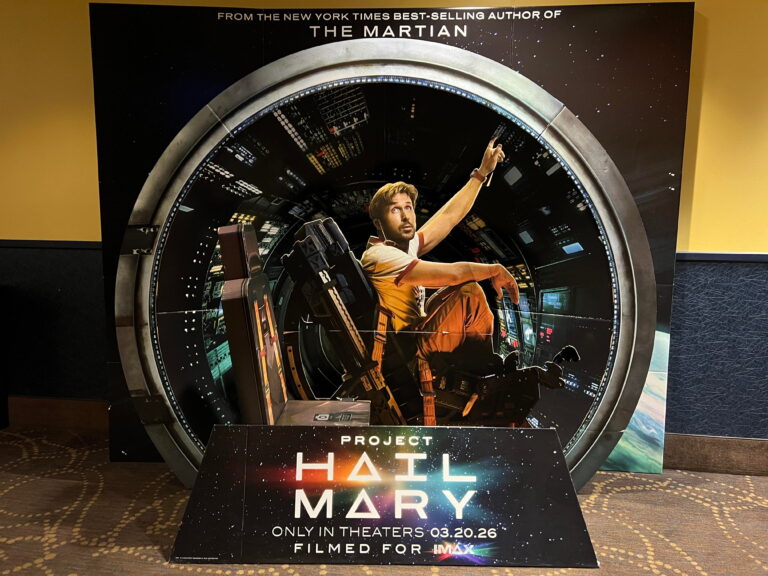
Other cinematography examples like Project Hail Mary and The Odyssey also highlight how cinematic photography creates tone and feeling as powerfully as a script or score.
What’s the connection between cinematography and voice over?
Voice overs aren’t just for narration; they’re part of the cinematographic experience. The voice over can set pacing, build tension, or add exposition that visuals alone can’t.
Imagine a sweeping drone shot of a quiet city dawn paired with a warm, reflective narration. The camera captures the beauty; the voice expresses its meaning.
This is why directors of photography often work with professional voice actors to find the right vocal tone to match the visual style. Cinematic techniques create the atmosphere, and voice over adds the emotion. Combining these cinematic elements turns a film into an immersive story.
Final Thoughts
Cinematography is storytelling through vision, light, and motion. Understanding what is cinematography, what a cinematographer does, and how cinematography elements combine helps every director and producer craft unforgettable visuals.
Need to enhance your next production with professional narration that complements your visuals? Work with expert voice actors on Voice123 or use Voice123 Enterprise for complete project management, because when light, sound, and story align, it creates cinematic magic!
FAQs
It is the art of visually capturing a story using lighting, camera angles, and movement to create emotion.
The 5 C’s are Camera angles, Continuity, Cutting, Close-ups, and Composition. These are also known as the golden rules of visual storytelling.
A cinematographer manages all visual aspects of filmmaking, from lighting, lenses, and composition to camera direction. Their role as the director of photography is to bring the director’s vision to life.
Lighting, composition, and movement are the essentials that shape every visual narrative.